Photo Credit
It’s that time of year! Time to find the perfect present for our adventurous loved ones. For that person in your life who loves all things cold weather, check out our gift guide for skiers and snowboarders. For ideas tailored to other pursuits, we also have more editor-recommended gift guides to explore. Happy gift giving!
Winter weather calls for capable footwear, whether you're doing chores outdoors, snowshoeing, or commuting to work. The good news is there's no shortage of women's-specific designs to keep your feet warm and dry, whatever the conditions may be. Our team of female editors took to the snowy streets and slopes to come up with our favorite women's winter boots of the 2025/26 season. Our picks run the gamut from casual models great for everyday wear to winter hikers and tall, neoprene work boots, but our favorite overall is the stylish and warm Ugg Adirondack XXV. For more information on the full lineup and on how to find your perfect pair, check out our comparison table and buying advice, as well as additional information about our testing practices below the picks. For a wider look at the market, we've also put together a round-up of the best winter boots, which covers both men's and women's styles, as well as a detailed article on how to choose winter boots.
Editor's note: We updated this guide on October 14, 2025, to add new winter boots from The North Face, Salomon, and Bogs, as well as update several models to their newest iterations. We also reranked our list based on continued testing and ensured that all links and specs were accurate at the time of publishing.

Category: Casual
Insulation: 3M Xerogel
Shaft height: 8 in. (9.5 in. unfolded)
What we like: Premium materials, versatile cuff design, and a great quiver-of-one boot.
What we don’t: Expensive and can be overkill for milder conditions.
While the Ugg brand name often evokes images of fuzzy, non-technical pull-on boots, they also offer more structured, serious-weather options, such as the Adirondack here. This has been our favorite winter boot for many years now, and the long-standing Adirondack III has just been updated to the XXV for its 25th anniversary. This stylish boot provides excellent protection from rain, slush, and snow, featuring a premium leather and suede upper reinforced by a waterproof membrane. The natural wool liner is plush, warm, and insulates well, even when wet. It’s not often that we see wool used in a serious winter boot, but the Adirondack’s design lends a great deal of versatility: When the cuff is rolled down, you get a playful, casual boot that’s at home over jeans or leggings. Leave it fully extended, and you have a traditional leather model with no-frills warmth and functionality.
The newest version of the Adirondack boasts updated materials, such as upcycled wool and a sugarcane EVA midsole, and the tongue has been lengthened to provide increased protection. For those who need even more coverage, there's also a tall version available for $75 more, which will provide approximately 4 inches of additional height. If you live in a milder climate or plan to use your boots for activities like hiking or snowshoeing, keep in mind that the Adirondack's plush interior may cause overheating, especially when paired with thicker socks. Really our only other reservation about this boot is the hefty price tag, but our main tester has been wearing the previous version for five years and they're still going strong. Overall, this is a capable quiver-of-one design. You’ll spend up for the premium materials, but for a warm and stylish boot that’s at home both in town and in the mountains, the Adirondack continues on as our top recommendation.
Read more: Ugg Adirondack III review (prior version)
See the Ugg Adirondack XXV
.jpg)

Category: Casual/work
Insulation: 400g Heatseeker Eco
Shaft height: 8.25 in.
What we like: Impressive level of insulation for the price; heavy-duty but still comfortable.
What we don’t: A bit heavy and runs quite small and narrow.
If you're on the hunt for a winter boot that can pull double duty between casual outings and work-focused chores, the Chilkat V 400 is not to be missed. This burly boot packs 400 grams of insulation into its comfortable and waterproof design, with features such as a heel clip for snowshoe compatibility, rustproof eyelets and hooks for secure lacing, and a high-pile fleece-lined collar. Every part of the Chilkat feels solidly built, and we're excited to rack up some snowy miles in it this winter to better understand its long-term durability. Compared to other similar offerings on the market, the price is also wildly competitive.
Our main complaint with the Chilkat thus far is that it runs very small and narrow. Typically, we'd suggest sizing up a half a size when a shoe runs small, but in this case, you may very well need to go up a full size, especially if you want to be able to wear thicker socks. The boot is also on the heftier side, though it's surprisingly streamlined for its weight and insulation. Overall, we consider the Chilkat a great winter staple for anyone living in an area with serious winters and needing something for daily life and chores. This likely isn't the boot you'll reach for when you want to dress up, considering its utilitarian look and colorways, but if you're looking for a heavy-duty boot with ample insulation at a great price (and from a trusted brand in cold-weather gear), this is certainly one to have on your short list.
See The North Face Chilkat V 400

Category: Casual
Insulation: 145g Heat-MX synthetic
Shaft height: 11.75 in.
What we like: A very functional winter boot at a great price.
What we don’t: Build quality is a step down from many pricier models.
There is a lot to like about the women’s Momentum boot from Kamik. First, it’s clearly built for winter use with a tough rubber lower, sturdy nylon upper that’s seam-sealed (a rarity at this price point), and a healthy 11.75-inch shaft height for good clearance from snow and water. Second, despite all of the aforementioned features, the boot looks the part for everyday use and comes in a wide variety of colorways. Finally, we love the price of the Kamik, which undercuts much of the competition by a sizeable margin, as well as the fun array of colors typically available. All told, it’s a hard-to-beat combination of versatility and value.
Keep in mind that the Momentum is only moderately warm with its synthetic Heat-MX insulation and faux-fur collar. The sole is thin, and while it will suffice if you're keeping active, you'll likely feel cold seeping in if you're just trying to chill by the fire après-ski. Further, the nylon upper feels somewhat plasticky and a step-down quality-wise from many of the pricier options here, and it can be more prone to absorbing moisture (an issue in wet snow or when stepping through puddles). You also can't dial in the fit as nicely as many other models here due to the lacing stopping short of the cuff, although the bungee system is fast and easy to use. But overall, we do love the versatility of the Momentum, and it’s one of the best values on the market for milder temps and casual use.
Read more: Kamik Momentum 3 review
See the Kamik Momentum 3

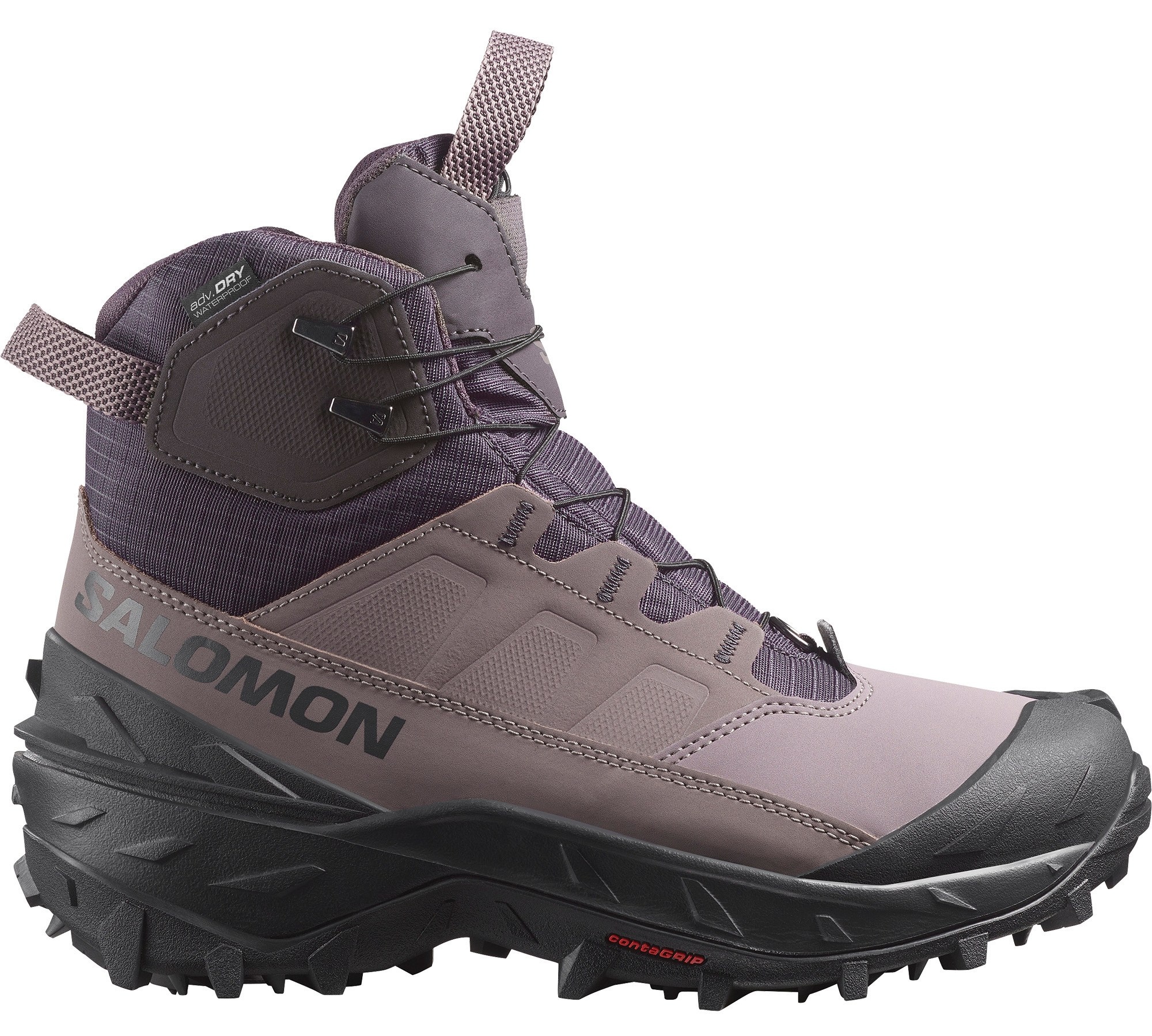
Category: Winter hiking
Insulation: adv.WARM polyester
Shaft height: 6 in.
What we like: Extremely warm and comfortable with impressive waterproofing and traction.
What we don’t: A bit big and bulky; Quicklace system is polarizing.
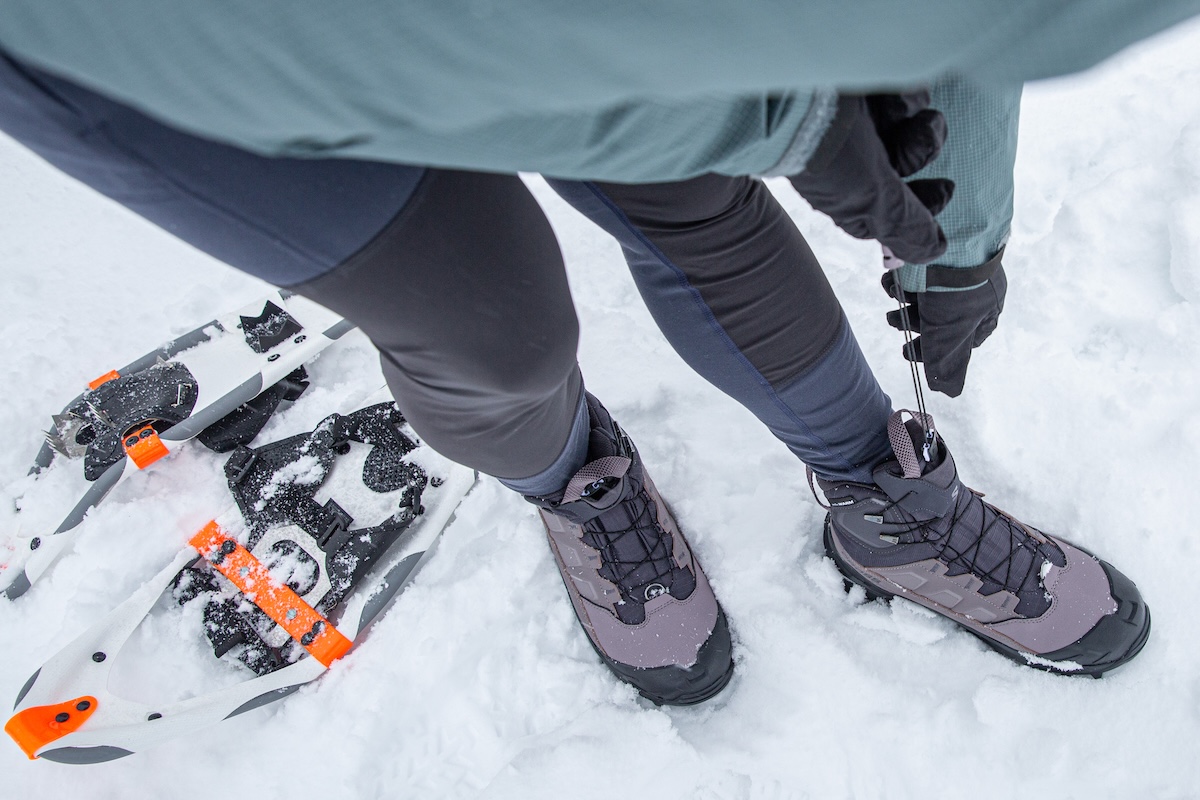
Do you get excited for winter hiking and snowshoeing? If so, the Salomon Crosstrak Powder should definitely be a consideration for your winter arsenal. This boot is among the warmest we've tested—our main tester struggles with cold hands and feet, and the Crosstrak Powder kept her toes warm in temperatures as low as 5°F, whether she was on the move or not. Despite this, the boot is also able to regulate temperature sufficiently to prevent overheating, even when hiking or snowshoe running (one of our testers' favorite winter activities). The 70% recycled adv.WARM insulation incorporates small air pockets between the fibers, and a sockliner adds additional warmth (and comfort) with its 4mm layer of EVA foam. Traction-wise, the lugs are deep and grip both loose and packed snow with ease. During testing, there was not a single incident of slipping on ice, which is not something we can typically say.
The Crosstrak Powder is a large and bulky boot, and we had some issues fitting it into smaller, run- or racing-focused snowshoes (regular hike-focused snowshoes should be fine). And, as with other Salomon shoes featuring the Quicklace system, we have mixed feelings. The laces are bizarrely long, which makes it difficult to shove them into the provided lace pocket—particularly while wearing gloves or with cold fingers. The tongue also flares a bit at the ankle, and the Quicklaces don't contain it, so snow can enter over the top of the boot if you're wearing tights. Because of this, hiking pants that cover the cuff or ankle gaiters will be a better bet. But all told, the Crosstrak provides impressive support for uneven terrain (anyone who has ever run or moved quickly in snow knows that its density is unpredictable, which can lead to ankle rolls), and we were confident while hurtling down snowy hillsides. This impressive winter hiker is comfortable, has good energy return, and locks the foot in place to prevent rubbing or hotspots. If winter doesn't slow down your time out on the trails, the Crosstrak is a great companion.
See the Salomon Crosstrak Powder Waterproof
 Category: Winter hiking/casual
Insulation: 200g 3M Thinsulate
Shaft height: 7 in.
What we like: Light, reasonably nimble, and not overly insulated for active use.
What we don’t: Fit can be challenging; not as warm as other boots here.
If you want something for winter hiking, but would also like to look cute at the pub after, the stylish Oboz Bridger 7” Insulated takes a longstanding hiking boot—the popular Bridger—and gives it a thorough cold-weather treatment. To increase the boot’s protection from snow, the Bridger 7” is taller by a few inches and features 200-gram 3M Thinsulate insulation along with a cozy and attractive wool collar. You also get helpful hiking-specific features, such as a gaiter ring at the forefoot and a rubber tab at the heel, which allows you to remove the boots hands-free and more easily secure snowshoes. We were happy to see that Oboz retained most of the flagship Bridger’s light and nimble feel, and the lacing system does a great job providing a secure fit. On top of all of that, this is a truly good-looking winter hiker, ideal for full winter days of long walks or snowshoeing, as well as dinner and drinks after.
Where the Bridger 7” Insulated falls short is in extreme conditions. The relatively light insulation nicely balances warmth and breathability when on the move, but will leave your feet cold on frigid days and during lower-output activities (that said, Oboz also makes a 9” version with 400g insulation for only $10 more). We’ve also found that the stiff upper takes some time to break in, and the boot can run a little narrow in the heel (keep this in mind if you’re planning to wear heavyweight socks). Finally, while the outsole grips well on soft snow and hard-packed dirt, the lack of sharp lugs results in poor traction on ice (don’t forget your winter traction devices). These downsides slightly detract from the Bridger’s hiking appeal, but if you want just one boot that can take you from town to trail and back again, this is a comfortable and good-looking choice.
See the Oboz Bridger 7" Insulated

 Category: Casual
Insulation: 200g Thinsulate, sheepskin insole
Shaft height: 6 in.
What we like: Stylish, top-notch craftsmanship, and improved traction over the classic version thanks to a Vibram outsole.
What we don’t: Expensive and short height limits winter versatility.
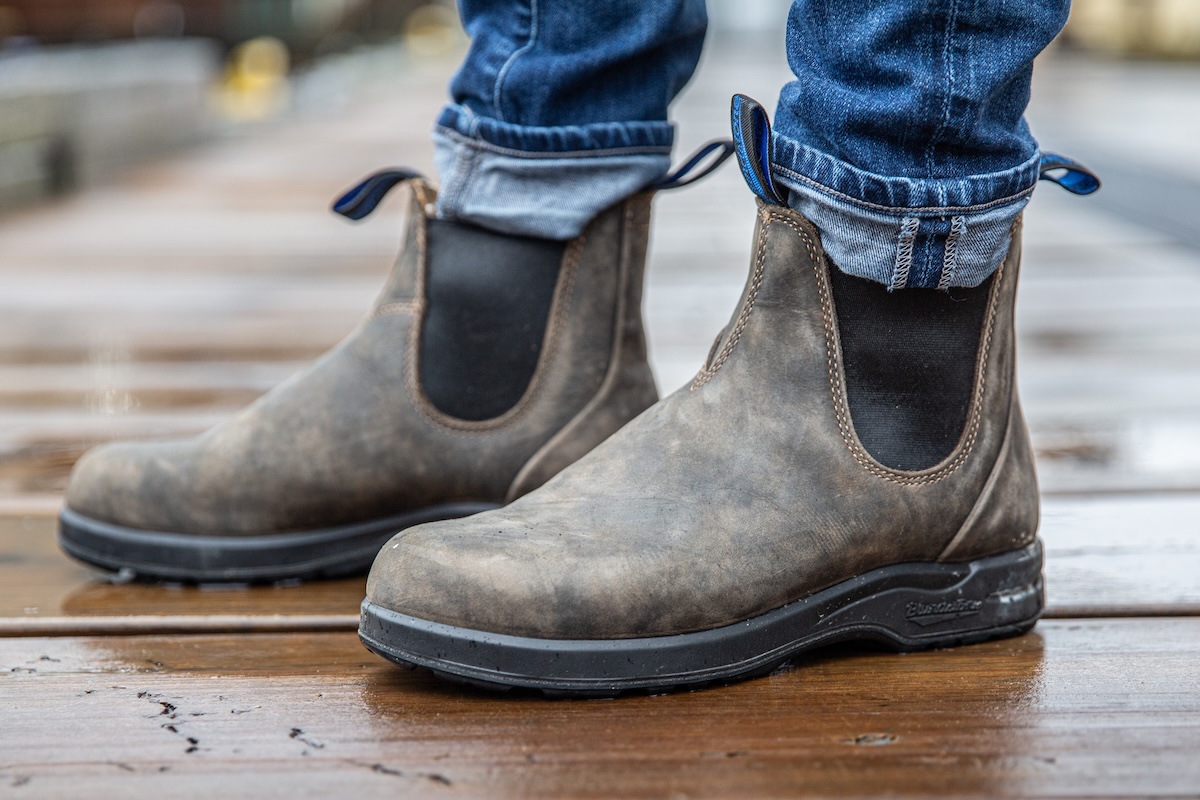
We love a good Chelsea boot, and Blundstone has led the charge in this arena for many years now—deservedly so. One member of the Switchback staff has two pairs that she consistently cycles through, depending on the season: the regular version for when it's warmer and drier, and the All-Terrain Thermal here for winter cold and wet. The All-Terrain Thermal sets itself apart from the standard version with waterproof leather, water-resistant elastic and latex seams, a 200g Thinsulate lining, a grippy Vibram outsole, and a super cozy sheepskin insole. Every element is well-considered and expertly crafted, and while this is a more casual, urban boot, it can hold its own outside of that, too. We've seen Blundstones on farms, trails, art studios, and more. If you take time to condition and weather-proof the leather, this is a shoe that can be with you for many, many years.
Despite the (much warranted) high praise for this boot, it does have a lower shaft height than more snow-focused winter options here. And while the Vibram sole is indeed very grippy, it doesn't have the kind of deep lugs meant for shedding lots of snow and mud. It's also a good idea to factor in some time for breaking the All-Terrain in, as would be expected of any high-quality leather shoe. The tight opening takes some yanking to get a foot inside, especially when the leather is brand new, but thankfully the pull loops on the front and back are strong enough to take it. Finally, the price point for Blundstones is quite high, but with proper care, you can easily have this boot in your closet for a decade or more. If you don't need the extra warmth and grip, you can save quite a bit with the non-thermal, non-all-terrain version, and the sheepskin insoles can be purchased separately if you want to add one later (though it's recommended to size up if you plan to do this). All told, this isn't the winter boot for super snowy days, but it's a stylish classic that we've never regretted owning.
See the Women's Blundstone All-Terrain Thermal

Category: Work
Insulation: 5mm neoprene & fleece lining
Shaft height: 16.9 in.
What we like: Fantastic protection, traction, and warmth.
What we don’t: Poor breathability; difficult to get on and off.
If winter strikes hard in your neck of the woods, the best daily driver might be a work boot like the Muck Boot Arctic Sport. With a tall 16.9-inch shaft height, a waterproof rubber upper, and a thick-yet-flexible neoprene collar, the Arctic Sport is ready for serious outdoor chores, whether you’re working on a ranch or shoveling your suburban driveway. We’ve worn the Arctic Sport throughout the winter in Washington’s Central Cascades and Tahoe's Sierra Nevada, and it’s handled it all with gusto, from waist-deep snow to spring slush. In addition to keeping the elements out, the boot offers solid warmth (Muck Boot rates it from -40 to 40 degrees F) and excellent coverage—once you get used to the knee-height collar, it's hard to go back.
As is expected with a rubber boot, the Arctic Sport isn't breathable and can become swampy if you're exerting yourself or the outside temperatures are too warm. The tall, knee-height version also isn't the easiest to get on and off, though there's a 12.2-inch Mid variation, which is decidedly less ungainly and $10 cheaper. We've also noticed that the outsole on the Arctic Sport isn't the best on ice—for that, we'd recommend the $190 Arctic Ice Mid, which features an upgraded Vibram Arctic Grip All-Terrain sole. Bottom line: The Muck Boot brand has some of the best options on the market for working outside in mud, rain, and snow.
See the Muck Boot Arctic Sport II Tall
 Category: Casual
Insulation: 9mm ThermoPlus
Shaft height: 9 in.
What we like: Timeless looks and cozy interior.
What we don’t: Heavy and bulky.
It's likely that if someone asked you to imagine a quintessential winter boot, you'd picture something pretty close to the Sorel Caribou. This classic design is tried and true for a reason, expertly balancing comfort, performance, and style. With 9 millimeters of insulation, a 9-inch shaft height, durable leather and rubber, and a cozy Sherpa pile cuff, slushy puddles and snowdrifts won't cause you a second thought. And while many brands are turning to synthetic insulation to reduce weight and bulk, the Caribou has stayed true to its roots with its removable felt liner (a feature we love, as the ability to ditch the liner is a game-changer if the interior happens to get wet in deep snow).
The Caribou is certainly a great boot to have in your closet for all-around winter use, and its 9-inch shaft hits a Goldilocks height—tall enough to handle some serious snow but not so tall as to become truly ungainly. That said, it's not an optimal choice if you plan to be walking long distances, as the pair is a full pound heavier than the Ugg Adirondack above. The classic Pac-boot design is also wide and can make things like driving awkward (Sorel’s Winter Carnival is a lighter-weight and slightly more streamlined alternative). Finally, at $225, the Caribou will cost you twice as much as the Kamik Momentum above, although you do get what you pay for with Sorel’s emphasis on quality. These gripes aside, the Caribou is a worthy pick for everything from outdoor chores to après ski, and it’s hard to argue with its iconic and timeless style.
Read more: Sorel Caribou review (men's version)
See the Sorel Caribou

Category: Casual
Insulation: 200g Heatseeker Eco
Shaft height: 10 in.
What we like: Versatile and good-looking; version VI is lighter than version V.
What we don’t: Top lace hooks can catch on each other when walking.
Similar to the Chilkat V 400 above, The North Face's Shellista is competitively priced and hits a great middle ground for anything from shoveling the driveway to winter hikes or walking around town. Rubber now covers more of the foot than on older versions, effectively shedding water and snow, and 200-gram Heatseeker Eco insulation and soft cushioning around the ankle provide a nice dose of warmth and coziness. Traction isn't the grippiest we've experienced, though the outsole is made with rubber that's optimized for cold and snowy conditions. In terms of styling, we like the classy leather and faux-fur upper, and the relatively low profile makes the Shellista equally easy to layer over leggings or under snow pants.
Paired with warm, boot-height socks, you can expect the Shellista to remain comfortably warm down into the teens Fahrenheit; however, the lighter build has its limitations should the mercury drop much below that (though this is par for the course for most of the more casual options here). We took issue with the IV’s lower shaft height, but the redesigned V added 2 inches, which carries over into version VI. The V also introduced a totally new lacing system, featuring triangle ring-and-hook hardware instead of traditional eyelets, that extends much farther back on the shaft. Although it is a bit tricky to pull the laces tight, this system does lock the laces into place effectively. Overall, the Shellista undercuts the Adirondack in price by quite a bit and checks in well over a pound lighter than the Caribou, making it a versatile and high-value choice.
See The North Face Shellista VI Mid Waterproof

Category: Winter hiking
Insulation: 200g Keen.Warm
Shaft height: 5.9 in.
What we like: A capable winter hiker with premium materials and city-friendly styling.
What we don’t: Pricey and shorter shaft height doesn't provide as much protection.
No one does traditional leather boots quite like Keen, and their Greta merges that classic styling with down-like quilting at the collar that’s reminiscent of a puffy jacket. Put simply, this boot is a real treat, offering excellent looks, all-around comfort, and performance, backed by competitive specs. Like many of Keen's designs, the Greta boasts premium leather lined with an in-house waterproof membrane and 200-gram recycled synthetic insulation, and the Keen.Rugged outsole is highly capable on slick and tricky terrain. The fit is also highly customizable for logging trail mileage, while the padded collar and tongue look the part for casual wear. Keen makes some of our favorite hiking boots on the market, and the Greta follows suit in a very functional winter-ready build.
How does the Greta compare to the popular Oboz Bridger above? The two stack up similarly in terms of warmth and waterproofing, utilizing rubber tread that’s purpose-built for navigating slippery and icy conditions. We ranked the Oboz a bit higher due to it being a bit better suited for technical hiking, but when it comes to the style portion of trail-to-town use, either boot is a great choice. Other options in the Greta collection are equally well built, including the Greta Chelsea that combines chic city styling with the same capable outsole (it’s a nice performance upgrade from the Blundstone above). And for a dedicated winter hiking boot, check out Keen’s Revel IV Polar ($190) and Revel IV High Polar ($210).
See the Keen Greta II Waterproof
 Category: Casual
Insulation: B-Tek foam, Polywool blend
Shaft height: 11 in.
What we like: A great combination of warmth, style, and value.
What we don’t: Very heavy at over 4.5 pounds.
Canada-based Baffin is known for their Arctic-ready winter boots, but they also have a nice lineup of casual offerings for everyday use in the Lower 48. The Chloe here combines the warmth-capturing technology of some of the brands' burlier boots with a stylish, feminine silhouette for a boot that gives designs like the Ugg Adirondack and Sorel Joan of Arctic a run for their money. On the outside, you get a suede leather upper with a faux fur collar, while the Polar Rubber outsole specializes in cold-weather grip on icy terrain. Under the hood, a removable inner bootie features a polyester-wool blend and thick foam lining. For an everyday winter boot that can be dressed up or down, the Chloe is well deserving of a spot in your closet.
At $234, the Chloe offers a small savings over the Adirondack, and you get noticeably more insulation and moisture protection by way of its taller and bulkier build. But the clunky rubber sole and rand are no match for the Adirondack’s sleek duck-boot-inspired design, and with an all-in weight of 4 pounds 9.6 ounces for the pair, the Baffin is almost twice as heavy as the Ugg. In the end, it feels more akin to a boot like the Joan of Arctic below, but with a slightly better balance of performance and style.
See the Baffin Chloe
 Category: Winter hiking
Insulation: 200g PrimaLoft
Shaft height: 7 in.
What we like: Great mix of performance features and casual styling.
What we don’t: Expensive considering its warmth and protection.
Our list wouldn't be complete without a winterized hiking boot from the veritable Danner. Here, the Mountain 600 boot gets an arctic upgrade, with 200-gram PrimaLoft insulation, a Vibram Arctic Grip sole, and a side zipper along the instep for easier on and off (though if laced up tight, opening the zipper often isn't enough to get the boot off without some untying). The suede exterior and contrasting laces look great, and the boots have a very light and nimble feel underfoot. Our testers have also been impressed with the Danner Dry waterproofing and the fact that the zippers have thus far sealed out all moisture.
Why doesn't the Arctic 600 rank higher on our list? As nice as this boot is, $240 is a hefty price tag for a shorter insulated boot. That said, it all depends on what winters are like where you live and what your outdoor plans entail. If you like the classic Danner style and are looking for a seriously well-made boot that can handle wintery trails, the Arctic 600 is a solid choice—especially if you take good care of the leather. Not everyone needs a whole arsenal of winter footwear, and this is a great quiver-of-one option if the snow doesn't get too deep where you live. Overall, if you value a warm yet nimble winter option, the quality and performance of Danner can't be denied. Versatile and comfortable out of the box, if you can stomach the price, this is a boot that should serve you well over the long term.
See the Danner Arctic 600 Side-Zip

Category: Work
Insulation: 5.5mm Neo-Tech
Shaft height: 14 in.
What we like: Simple, warm, and waterproof.
What we don’t: Middling traction, imprecise fit, and heavy.
Bogs' Classic Seamless Tall takes the signature rain boot look and adds a healthy dollop of warmth and protection for cold-weather use. The 5.5-millimeter neoprene construction is both insulative and waterproof, and the 14-inch collar is enough to keep most water and snow at bay. Further, the Classic’s sleek profile slides on easily with integrated handles and is a breeze to clean, and we appreciate the addition of a DuraFresh odor treatment. True to its name, this boot is a classic winter choice everywhere from coastal cities to frigid rural areas in the Midwest, and the rain boot-like aesthetic isn’t out of place in the shoulder seasons, either.
The Bogs Classic Seamless Tall is great for wearing around town or working outside, but the heavy build, imprecise fit, and lack of breathability mean it’s not our first choice for hiking or all-day wear. Traction is another downside, with wavy and rounded lugs that don’t bite particularly well on soft or icy ground. And compared to the Muck Boot Arctic Sport above, the Bogs aren’t quite as high on function, with about 3 inches less coverage (plus cutouts) and a bit less warmth (the Muck Boot tacks on a fleece liner). But for a little less money, they’re arguably more practical for light outdoor work like shoveling the driveway or walking the dog around the block.
See the Bogs Classic Seamless Tall
 Category: Winter hiking
Insulation: 200g PrimaLoft Gold Eco
Shaft height: 6 in.
What we like: Warm while retaining a light weight and decently nimble feel.
What we don’t: Pricier than previous offerings in the Moab Thermo line; our top lace hook broke.
Like Oboz and Keen, Merrell is a hiking boot specialist with a number of quality winter designs that showcase that expertise. Among their newer winter trail offerings is the Moab Speed 2 Thermo Mid, which takes one of their most popular hiking boots (the Moab Speed 2) and gives it a cold-weather treatment. The Moab Speed 2 Thermo’s premium materials—including 200-gram PrimaLoft Gold Eco fill and a Vibram Icetrek outsole—offer winter-ready performance for snowy and icy trails and temps ranging from the mid-teens to low 30s Fahrenheit. And with a quality in-house membrane, the boot is also ready for slushy shoulder-season conditions (you can treat the leather with an aftermarket conditioner for even more protection). All told, the Speed 2 Thermo Mid is a solid pick for long winter walks, hikes, and snowshoeing.
How does the Moab Speed 2 compare to the Salomon Crosstrak above? Both are warm with excellent waterproofing, but the Merrell is lighter (just over 4 oz. less per pair) with a slightly more streamlined design. And while both boots look decidedly technical, we prefer the look of the Salomon to that of the Merrell. For even better crossover appeal between the trail and town, the Oboz Bridger wins out on style. These things aside, we feel confident that winter hikers will be pleased with any of these boots, depending on style preferences and fit (the Merrell is the better choice for those with wide feet). Without a doubt, the Merrell Speed 2 Thermo is a capable utility vehicle with well-considered components and technical prowess. It's worth noting though that our top lace hook broke and was not repairable, requiring us to need a replacement. However, this strikes us more as a one-off defect than a quality issue on Merrell's end.
See the Merrell Moab Speed 2 Thermo Mid Waterproof

Category: Casual
Insulation: Synthetic loose-fill
Shaft height: 8 in.
What we like: Warm with incredibly soft fur lining; attractive; excellent traction.
What we don’t: Narrow and run very small; soft quilted upper material could potentially wear faster than rubber or leather.
The Bogs Cedar Quilt Lace is a warm, waterproof boot with a unique quilted upper that gives it an attractive and casual style. The boots are very warm, with some of the softest and coziest faux fur lining that we've ever experienced. They also have a sturdy outsole with a deep tread design that provides confident traction in a variety of conditions. We wore these boots throughout a Lake Tahoe winter, wearing them around town, on neighborhood dog walks, and on some casual snow hikes in our local forest. The Cedar Quilt Lace kept our feet warm the whole time and felt stylish while doing so—we've received a lot of compliments when wearing these boots. With a reasonable price, they are a great all-around winter boot with a comfortable and stylish design.
While the Cedar Quilt Lace boots are warm, comfortable, and have a nice casual style, we found them hard to size correctly. Our main tester normally wears a women's size 8, but needed to go up a full size to achieve the right fit. Another one of our testers, who typically wears an 8.5, couldn't wear this boot in a size 9 at all. A quick review of user testimonials online suggests that others have similar feedback on the fit. And while we really like the overall style and faux fur trim, these are decidedly casual winter boots that might look out of place with certain dressier outfits. But after a full year of use, our pair is holding up excellently, and these have become a staple for us when the snow starts falling in Tahoe. Overall, given their warmth, excellent traction, and cute, casual style, these boots make a great option for everyday wear at a remarkably fair price.
See the Bogs Cedar Quilt Lace

Category: Casual
Insulation: 200g synthetic
Shaft height: 8.5 in.
What we like: Low-profile design is comfortable and lightweight.
What we don’t: Not built for serious conditions or terrain.
Columbia’s Ice Maiden has been a staple in their collection for years and remains one of the most popular casual women’s winter boots on the market. The light insulation and soft materials give it excellent comfort for mild winter conditions, and the woven upper has a nice feel that’s noticeably less bulky than options like the Kamik Momentum 3 and Sorel’s Joan of Arctic above (although it’s not as dependable in deep snow). Similar to many designs here, the Columbia utilizes 200-gram synthetic insulation, although the light and streamlined build does translate to a slight step down in warmth. But there’s a reason we see the Ice Maiden so frequently around town: it's comfortable, very affordable, and looks good.
The Columbia Ice Maiden’s flexible build makes it enjoyable to wear all day, and it can be a fine partner on long winter walks, provided you aren’t venturing into very technical terrain. However, in addition to the compromises in wet-weather protection and warmth, the Columbia lacks the stability of dedicated winter hiking models, and the faux fur collar can grow heavy with snow and ice if conditions are especially gnarly. But value-wise, you’d be hard-pressed to find a better daily driver for less. And given the widespread popularity of the collection, the Ice Maiden is also offered in a wide version, shorty boot, and slip-on design.
See the Columbia Ice Maiden II

Category: Casual
Insulation: 6mm recycled felt
Shaft height: 12 in.
What we like: Stylish and excellent protection.
What we don’t: Expensive for the level of warmth, bulky.
A modern take on the classic Sorel boot, the Joan of Arctic offers a nice blend of function and fashion. Fully waterproof with a suede upper and seam sealing, it’s a sturdy choice for everyday wear. We’ve been pleasantly surprised by the level of protection that you get from the tall, 12-inch height and felt interior, and the removable liner makes it easy to dry the insides should they get wet in the snow. Importantly, despite its classy design, Sorel’s trademark wraparound rubber lower is ready for all sorts of use and abuse.
It’s the premium materials and good looks that make the Joan of Arctic a favorite year after year. Unfortunately, however, the relatively thin felt liner and two-piece construction don’t do a good job trapping heat. Even in temperatures just below freezing, we found ourselves surprisingly cold (we tested the Joan back to back with the Adirondack and Shellista, and it was the weakest link in that grouping). Further, the heavy and clunky design can be cumbersome on longer walks or when driving. To be clear, the waterproofing is excellent, and the Joan of Arctic offers a step-up in the style department, but for most use cases, we prefer the more well-rounded alternatives above.
Read more: Sorel Joan of Arctic review
See the Sorel Joan of Arctic
.jpg) Category: Work
Category: Work
Insulation: None
Shaft height: 15 in.
What we like: 100% waterproof, highly practical, unique and fun style.
What we don’t: Not insulated for true winter use.
Xtratufs are practically a requirement for any Alaskan, but it’s only recently that they’ve come into vogue in the Lower 48. These 100%-waterproof boots merge function and fashion for women, with printed art on the liners—including everything from octopi to sand dollars and fish—that can be folded down as cuffs for daily wear. And staying true to their legacy, many of Xtratuf’s liner designs come from Salmon Sisters, a company founded and operated by two female Alaskan fishermen.
We hesitated to include Xtratufs on our list of winter boots, given that the tall Legacy doesn't come in an insulated variety for women. But the thin neoprene liner provides a decent amount of isolation from the cold, and we’ve come to think of these boots as a highly versatile option for all seasons. Fold down the cuffs in mild weather or pair the boots with heavy socks in the winter—regardless of how you wear the Xtratufs, they’re impressively waterproof, provide great traction on wet ground, and will hold up to season after season of use (that said, for consistently cold climates, we still recommend an insulated boot). Like the Bogs and Muck Boot above, we don’t recommend the Legacy for hiking due to its heavy build and lack of breathability, but for outdoor chores or work, this is an excellent non-insulated choice.
See the Xtratuf 15 Inch Legacy Boot
| Winter Boot | Price | Category | Height | Insulation | Weight |
|---|---|---|---|---|---|
| Ugg Adirondack XXV | $250 | Casual | 8/9.5 in. | 3M Xerogel | 2 lb. 6 oz. |
| The North Face Chilkat V 400 | $159 | Casual/work | 8.25 in. | 400g Heatseeker Eco | 2 lb. 14.1 oz. |
| Kamik Momentum 3 | $110 | Casual | 11.8 in. | Heat-MX synthetic | 2 lb. 4 oz. |
| Salomon Crosstrak Powder | $200 | Winter hiking | 6 in. | adv.WARM polyester | 2 lb. 3.3 oz. |
| Oboz Bridger 7” Insulated | $210 | Hiking/casual | 7 in. | 200g 3M Thinsulate | 2 lb. 9 oz. |
| Blundstone All-Terrain Thermal | $275 | Casual | 6 in. | 200g Thinsulate | 1 lb. 15 oz. |
| Muck Boot Arctic Sport II Tall | $155 | Work | 16.9 in. | 5mm neoprene & fleece | 4 lb. 0 oz. |
| Sorel Caribou | $225 | Casual | 9 in. | 9mm ThermoPlus | 3 lb. 6 oz. |
| The North Face Shellista VI Mid | $165 | Casual | 10 in. | 200g Heatseeker Eco | 2 lb. 2.2 oz. |
| Keen Greta II WP | $190 | Hiking/casual | 5.9 in. | 200g Keen.Warm | 2 lb. 4.7 oz. |
| Baffin Chloe | $234 | Casual | 11 in. | B-Tek foam & Polywool | 4 lb. 9.6 oz. |
| Danner Arctic 600 Side-Zip | $240 | Winter hiking | 7 in. | 200g PrimaLoft | 2 lb. 5 oz. |
| Bogs Classic Seamless Tall | $150 | Work | 14 in. | 5.5mm Neo-Tech | 4 lb. 4 oz. |
| Merrell Moab Speed 2 Thermo | $190 | Winter hiking | 6 in. | 200g PrimaLoft Gold Eco | 1 lb. 15 oz. |
| Bogs Cedar Quilt Lace | $135 | Casual | 8 in. | Synthetic loose-fill | 1 lb. 15.6 oz. |
| Columbia Ice Maiden II | $100 | Casual | 8.5 in. | 200g synthetic | 2 lb. 1.7 oz. |
| Sorel Joan of Arctic | $240 | Casual | 12 in. | 6mm felt | 3 lb. 8.4 oz. |
| Xtratuf 15 Inch Legacy Boot | $170 | Work | 15 in. | None | 4 lb. 9.6 oz. |
Oh, winter. Whether you love it or hate it, everything is made easier by having the right gear. No one likes cold or wet feet (nor is it safe), so choosing your winter footwear strategically is a necessity. The women of the Switchback Travel team get excited when the mercury starts to drop because we love to ski and snowboard, but even if you just need to commute to the store or walk the dog, a trusty pair of boots should always be close at hand. This guide was initially put together in late 2021 by former senior editor Jenny Abegg, who lives in northern Washington and gets after it in the mountains regardless of what the weather is doing. Editor-in-chief Penney Garrett lives in Lake Tahoe and took over the guide in 2024. Tahoe is known for its often-impressive winters, so the testing grounds for our lineup of winter-worthy boots is impressive to say the least. From icy walkways to buried driveways to spring slush-fests, we have the collective experience to help you make a great purchase.
Our current lineup of 18 solid options showcases our ongoing testing and a deep understanding of the market. We make sure to take firsthand experience from our testers and friends, as well as feedback from the wider online community. As we test each pair of boots, we pay special attention to their comfort and fit, warmth, waterproofing, weight, height, and overall construction. Some of the options listed above have been tested over many years, and as we discover new aspects or weaknesses, we update this guide accordingly. We are also always on the hunt for new and noteworthy designs, so be sure to check back often.

Casual
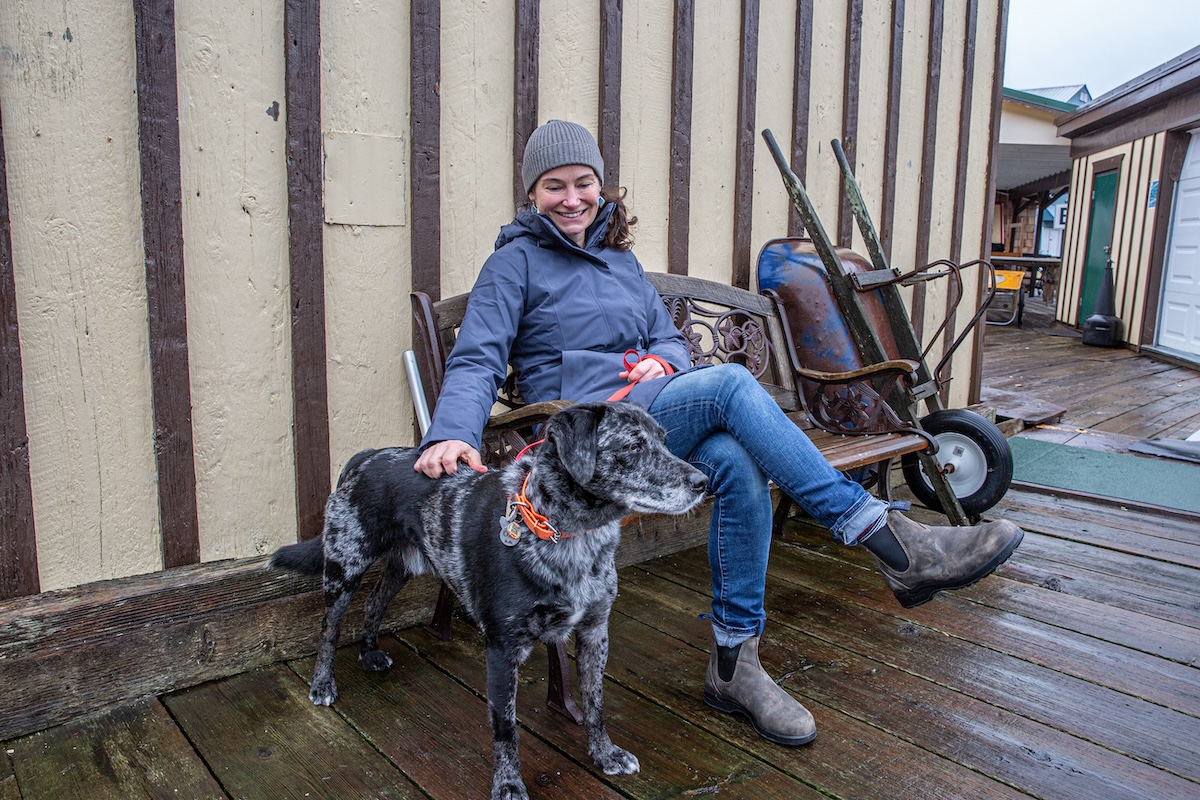
Casual or everyday winter boots are not the absolute warmest or best at resisting the elements, but they certainly get the job done for most winter walking and après-ski activities. The construction of casual boots tends to have less rubber and more leather and exposed insulation, including synthetic baffles, fur, or wool. Other commonalities include a waterproof membrane, a moderate level of insulation, and well-cushioned interiors that will keep most people warm and comfortable while shoveling or on short jaunts out of the house. Some casual boots are fairly streamlined and could be worn inside at work or while running errands (like the Blundstone All-Terrain Thermal), while others, like the Sorel Joan of Arctic, are bulkier and built for outdoor-only environments.
Winter Hiking Boots
Looking a lot like beefed-up hiking boots—because they are—winter hikers are a great choice for snowshoeing and other hiking adventures in the cold. These waterproof designs typically have a lower ankle height and less insulation than the other boot types, which allows them to breathe reasonably well when you’re working up a sweat. And their more flexible and nimbler designs make it easier to cover serious ground. Traction is another important feature, and you’ll see some of the more advanced tread layouts with rubber that grips well even on frigid and icy ground. Leading models in this category include the Salomon Crosstrak Powder and Oboz Bridger 7” Insulated.
_0.jpg)
Work/Extreme Cold Winter Boots
Made for the depths of winter and the coldest parts of the world, boots in our work/extreme cold category are big, bulky, warm, and tough. They also take a function-over-fashion approach with heavy applications of rubber, nylon, and/or thick leather that perform best in frigid temperatures and in deep snow. Keep in mind that the burly construction does add weight and bulk, and you won’t want to cover major distances when wearing a boot that weighs 4 pounds or more. This boot type is also often too stiff to safely use while driving. Instead, what you get is a super high level of warmth that is great for low-output activities in sub-zero temperatures.
Some (but not all) brands include a comfort or temperature rating for their winter boots, and they’re often very impressive numbers, claiming a rating of -25 degrees Fahrenheit or lower. But right off the bat, let’s be clear: There is no standardized test to rely on for measuring a temperature rating. As such, comfort ranges are not a guarantee that you’ll be warm at the listed temperatures. In fact, we can almost guarantee you won't be—particularly if you’re standing still. As we all know, how well a boot keeps you warm is dependent on a number of individual factors, including age, level of activity, the thickness of your socks, the tightness of the boot, and whether or not you run hot or cold. We recommend using the comfort ranges as basic guidance, but stay very conservative by adding a sizable buffer with your real-world use.
.jpg)
Synthetic
The most common insulators nowadays are synthetics stuffed between the inner lining and outer shell of the boot (including under the foot). PrimaLoft and Thinsulate by 3M are popular synthetic insulations that have a strong presence in the jacket, glove, and ski boot worlds and have an equal standing with a lot of winter boots. They’re non-bulky and lightweight and continue to insulate even when wet. Proprietary synthetic insulations for Merrell (M Select) and Columbia (Omni-Heat), among others, offer comparable performance to the name brands. For an indicator of warmth, check for the weight of the insulation, which indicates the heft of a 1-meter x 1-meter section (not how much insulation is actually in the boot). Light to midweight boots will have 200- to 400-gram fill, while heavy-duty cold-weather boots will have significantly more.

Felt, Sheepskin, and Wool Linings
Some boots eschew modern technology and opt for warmth through a thick lining of felt or wool, including the classic Ugg Adirondack XXV with 17-millimeter UggPlush upcycled wool in the lining and insole. While bulky, these insulation types can be very effective. Unlike synthetic insulation that is encased by the boot, felt, sheepskin, and wool linings can get wet if exposed to the elements, but they will continue to insulate. And the nice part is that many of these linings are removable (as we see in the Sorel Joan of Arctic), so you can set them by the fire to dry in between runs on the sled hill.
.jpg)
Down Fill
Down-insulated boots are not commonplace, and for times when you will be in direct contact with the snow (which can be often in the winter), they are not the most secure option. This is because, unlike synthetic fills and natural materials like felt, sheepskin, and wool, down loses its ability to insulate when wet. As such, we recommend steering clear unless you’re in the market for a very casual around-town boot or basecamp shoe that is for use exclusively inside your tent. It’s hard to knock the utility of a good down bootie for indoor use, but in most cases, these are not meant to be taken outdoors.
Winter boots come in a fairly wide range of heights, from just over the ankle to just below the knee. In general, their various heights fall in line with our categories above (to see the specific heights for each model, which is measured from the footbed to the top of the boot, see our comparison table above). At the low end of the spectrum are hiking models, which measure roughly 6 to 7 inches in height. This makes them lighter and more flexible, but they are more prone to having snow come in over the top of the boot if you’re post-holing in the deep stuff. The good news is that a pair of waterproof gaiters can help resolve this issue (more on gaiters below).
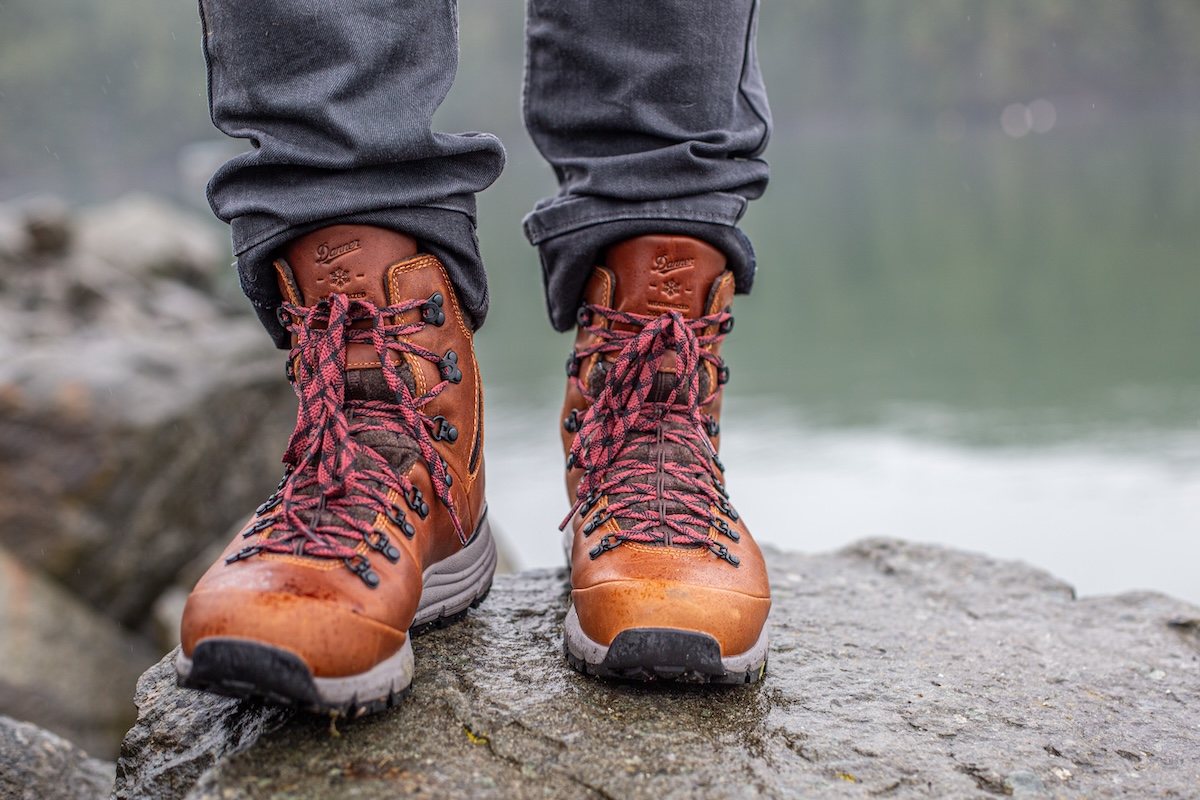
Work boots and full-on extreme-weather models sit higher on the leg, including the 15-inch Xtratuf Legacy and almost 17-inch Muck Boot Arctic Sport II Tall. It’s worth noting that the extra height does inhibit range of motion, and muck-style boots can be a real struggle to remove at the end of the day. Finally, boots in the casual category fall somewhere in the middle, with a number of options in the 6- to 10-inch range. There are some outliers, however, including the tall, 12-inch Joan of Arctic. And it’s important to remember that many boots are offered in a few different heights.
.jpg)
As with height, winter boot weight can vary significantly. Unsurprisingly, the heaviest designs are meant for the worst conditions, as weight often goes up as the level of insulation increases. Work-ready builds from Muck Boot or Bogs can reach close to or over 4 pounds per pair, and the same is true for a burly boot meant for extreme conditions. On the other end of the spectrum is the Merrell Moab Speed 2 Thermo Mid WP, which weighs about the same as a standard hiking model at just 1 pound 15 ounces. You'll certainly want to consider a boot's heft if you're planning to take it on long jaunts in the backcountry, but weight matters a lot less for casual use or short walks around town.
.jpg)
Traditional winter boots like the Sorel Joan of Arctic and Sorel Caribou are two-piece designs with outer shells protecting insulated, removable liners. The advantage of this construction is that the boots are extremely tough: The rubber and leather exterior materials are very durable and waterproof, and they do a great job isolating you from the cold. The removable insulated liners are cushioned and soft, providing more comfort than a typical one-piece design. And perhaps the most functional element of the two-piece system is that you have the option to remove the liners to dry them more quickly should the boots get wet. These types of boots can feel a bit sloppy and ungainly when you’re covering long distances, but for short walks, outdoor work, and harsh conditions, a boot with a removable liner is a nice choice.
.jpg)
For active uses like hiking or snowshoeing, or if you want to keep weight and bulk to a minimum, it’s better to go with a one-piece boot. These models often resemble a hiking design and offer a more precise fit and nimbler feel for greater control and stability in difficult terrain. They’re also lighter on average, which is a positive for longer walks and snowshoe trips. You do compromise a little protection, but quality one-piece designs like the Oboz Bridger 7" Insulated and Ugg Adirondack are still formidable options in harsh conditions.
Considering that you’ll be spending a good amount of time walking in varying depths of snow, waterproofing matters. The good news is that most designs excel in this respect. Traditional two-piece boots that have a separate shell and liner rely on a burly exterior to keep moisture out. The rubber lowers are fantastic barriers from the wet, shedding anything from falling snow to slushy puddles. Further, treated leather uppers and seam sealing keep you protected when walking through deep snow. On the other hand, one-piece boots have a thin, waterproof, and breathable membrane sandwiched in between the outer material and lining. In general, this style is a little less waterproof overall, and you’ll want to be sure the exterior fabric has a water-resistant treatment to keep it from soaking up moisture (more on this in the "Boot Care" section below).
.jpg)
It’s worth noting that a waterproof design doesn’t do much good if snow and moisture come in from around the tongue or top of the boot. If deep puddles are a concern, you’ll want a gusseted tongue that connects to the upper high up on the boot. And as we touched on in the boot height section above, a tall design like the Muck Boot Arctic Sport II Tall or Bogs Neo-Classic Tall can be useful in keeping your legs dry, but it’s often worth adding a pair of waterproof gaiters to truly stay protected in deep snow. Typically made out of durable nylon, gaiters are tough and provide an additional barrier around the top of your boots and lower leg (they’re popular for uses like hiking, snowshoeing, and mountaineering). Models vary significantly by activity and how much protection you need, but for serious winter use, the Outdoor Research Expedition Crocodile Gaiters are the real deal.
In general, winter boots put a premium on warmth and protection, which has a negative impact on breathability. Their substantial, waterproof constructions that do so well at trapping heat inside are equally prone to running hot in mild temperatures and during active use. For many folks, this is a fair trade-off, and breathability shouldn’t be a top consideration for those planning only quick trips outside or if conditions in your region are truly frigid. But if you live in an area with mild winters or plan to be hiking or snowshoeing for extended stretches, you’ll want a balanced design that has a lighter-weight upper and less insulation (around 200g). Hiking-ready models like the Salomon Crosstrak Powder and Oboz Bridger Insulated perform well in this regard. And if breathability is a top priority and temperatures will be warm (around freezing or above), it may be worth opting for a pair of uninsulated hiking boots instead.
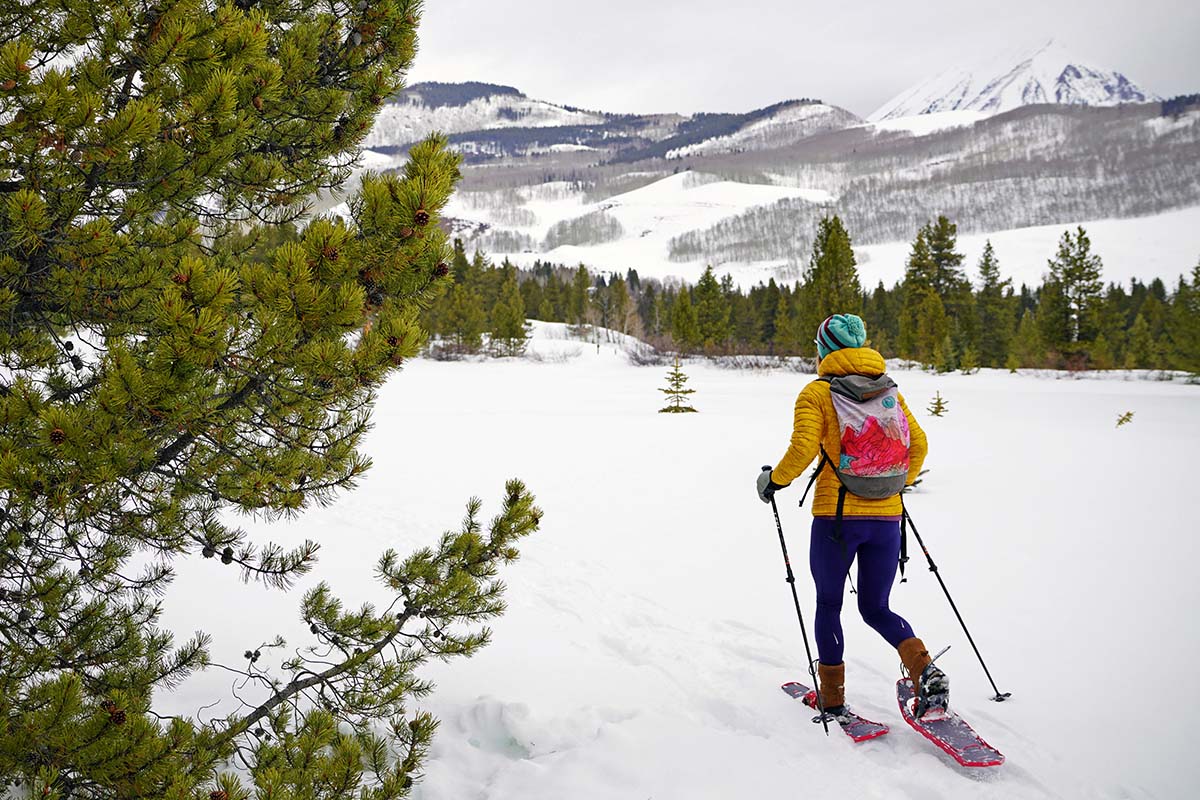
Snow boots have a different lug pattern and rubber compound than their on-dirt hiking boot cousins. The compounds are softer and don’t harden even when temperatures drop, which helps them continue to grip on snow and ice. In addition, the lug patterns are designed to prevent snow buildup. The outer soles themselves are very thick, which isolates your feet from the cold and rough ground underfoot. In general, hiking-ready models have the best traction, while casual and work boots can be a little cumbersome and prone to slippage. Vibram made some headlines with their Arctic Grip compound that's specifically designed to stick to slippery and icy surfaces, which we see in designs like the Danner Arctic 600 Side-Zip. Options like Salomon's Contagrip rubber are also excellent, found on the Salomon Crosstrak Powder, along with deep lugs to bite into slick and snowy surfaces. But from our experience, we still turn to a winter traction system (covered below) in very icy conditions.

Pairing your winter boots with quality socks helps to maximize warmth and comfort. It’s true that you can get away with just about any design for quick trips outside, but if you’ll be hiking, working, or spending significant stretches of time in harsh weather, it’s worth dialing in your sock selection. Material-wise, the clear leader is wool—and particularly the merino variety—for its high level of warmth, breathability, and stink prevention. Synthetics are a viable alternative, but they’re usually not as warm and will retain smells more than wool. Avoid cotton socks at all costs—they don’t wick away moisture or insulate when wet, which is a bad combination for winter use.
In addition to choosing the right materials, you also need to think through the thickness of your socks. For the most part, the best socks for winter use fall in the mid- and heavyweight categories. Both are fairly thick, which means you’ll likely need to size your boots accordingly (more on this in the fit section below). For everyday use or if you’re not prone to running cold, a midweight sock is a versatile choice. In this category, we love Darn Tough’s classic Hiker Boot Sock, which provides decent warmth to complement your boots but won’t overheat as easily in mild temperatures or when working hard. Heavyweight options like the Smartwool Mountaineer are a whole different breed—they’re thick enough to nearly double as a pair of slippers and provide a noticeable bump in insulation and cushioning underfoot. For sub-zero temperatures or if you’ll be sedentary outside, it’s worth going with a super thick design.
.jpg)
Fit is always an important consideration with footwear, and the same holds true for winter boots. A properly sized boot should be large enough to accommodate your thickest socks without pinching (a fit that is too snug will inhibit circulation and compromise the warmth the boot provides). It’s also important to consider the type of activity: A boot that will only be worn around town, like the Ugg Adirondack, doesn’t have to fit perfectly to perform well (you can err on the side of going a little loose). But for the more hiking-focused models like the Oboz Bridger 7" Insulated or Salomon Crosstrak Powder, it’s best to get fit dialed in so that you can maximize precision and warmth.
Sizing varies widely between brands and individual models, and we provide as many insights as possible in our product write-ups above. In general, be prepared to order a different size than what you normally would for a pair of everyday sneakers or running shoes. If there aren’t specific recommendations from the manufacturer or you can’t piece together a good idea on fit from reading user reviews, we’ve found the following works pretty well: If you’ll be wearing midweight socks, it’s a good idea to go up a half size. Expedition-level socks are extremely thick, so it’s common to go up a full size in these cases. Again, fit can be tough, and it’s always best to try your boots on before buying. But if you’re shopping online, do your research and be prepared to size up in many cases.
.jpg)
To keep your winter boots lasting as long as possible, it’s worth taking proper care of your investment. For starters, it’s always a good idea to keep them clean to avoid any breakdown in the materials. The grime that you pick up when walking through a slushy parking lot can wreak havoc on a boot if it isn’t cleaned off. Warm water, dish soap, and a simple brush can do the trick in most cases. Further, many of the designs above have leather in the construction, which is a material that benefits from occasional treatment to avoid drying and cracking. A quality sponge-on design like Nikwax’s Conditioner works well on full-grain leather, keeping it in good shape while adding a water-resistant coating to the top. For boots that don’t have a waterproof membrane or coating, it’s a good idea to treat them from the start. Another benefit of adding a leather conditioner right away is that it helps soften the leather and shorten the break-in period.
Winter boots have outsoles designed for walking on snow, but the reality is that even the best rubber compound and tread pattern won’t grip all that well on a sheet of ice. To safely hike or even walk around town if the conditions are really bad, we use an additional traction system (also referred to as a traction device). There are a variety of designs on the market, from chain-style Yaktrax for casual walking to the Kahtoola Microspikes for heavy-duty ice and backcountry use.
.jpg)
For pairing with winter boots, one of our favorite traction systems is the Kahtoola Nanospikes. Designed for running in winter, we’ve found their minimalist style to work wonderfully on icy sidewalks and trails. The 10 small carbide tips provide excellent grip (we were particularly impressed with their secure traction in freezing rain), and the Nanospikes are lightweight and take up very little space in a bag. The downside with all traction systems is that they take a little time to put on and take off, and can be overkill for mixed conditions, but they’re the best way to cover ground safely on icy days. For a full breakdown of options, see our article on the best winter traction devices.
Dedicated winter boots offer premium protection and warmth in freezing, snowy conditions, but we often use our regular hiking boots for short and active winter jaunts. For example, if you will be snowshoeing or walking without stopping, uninsulated and waterproof hiking boots with good socks may very well do the trick. One of our favorite models is Salomon’s classic Quest 4, which has a durable, water-shedding exterior and Gore-Tex bootie that offers lightweight warmth. To be clear, this is a good option for trips when you will be on the go the whole time and the weather isn’t particularly frigid. If you’ll be stopping or out for long stretches of time, it’s safest to stick with an insulated winter-specific design.
Back to Our Top Women's Winter Boot Picks Back to Our Women's Winter Boot Comparison Table


_0bc58.jpg?h=fbc67360&itok=y-RAM9m9)
8857.jpg?h=fbc67360&itok=2LUFcwl7)

3f56.jpg?h=fbc67360&itok=McVYCRci)

%20(s)8fda.jpg?h=fbc67360&itok=MklN5wsn)