Photo Credit
Skiing and snowboarding have so many moving parts. From the type of fabric on your head down to the thickness of your socks and everything in between, you could spend hours putting a kit together - and that’s only soft goods. When it comes to technical equipment, skis have different waist widths tailored to various types of terrain, snow conditions, and skier abilities. Looking for a snowboard? You’ll want to consider the flex, the camber, the shape, and let’s not forget the graphics, because we all know when you look good, you ride even better. We’re not done—aside from what you strap to your feet and what you wear on your body, there are accessories and gadgets galore. If you’re feeling lost in an ocean of snowsports products, there is a silver lining: you have a lot of options for gifts. As someone who grew up in the ski industry and started skiing as soon as I could walk, I’m here to let my decades of experience around the resorts, the gear, and the culture help guide you to the perfect present for that special someone. Also be sure to check out our gift guides for the traveler, backpacker, and hiker in your life.
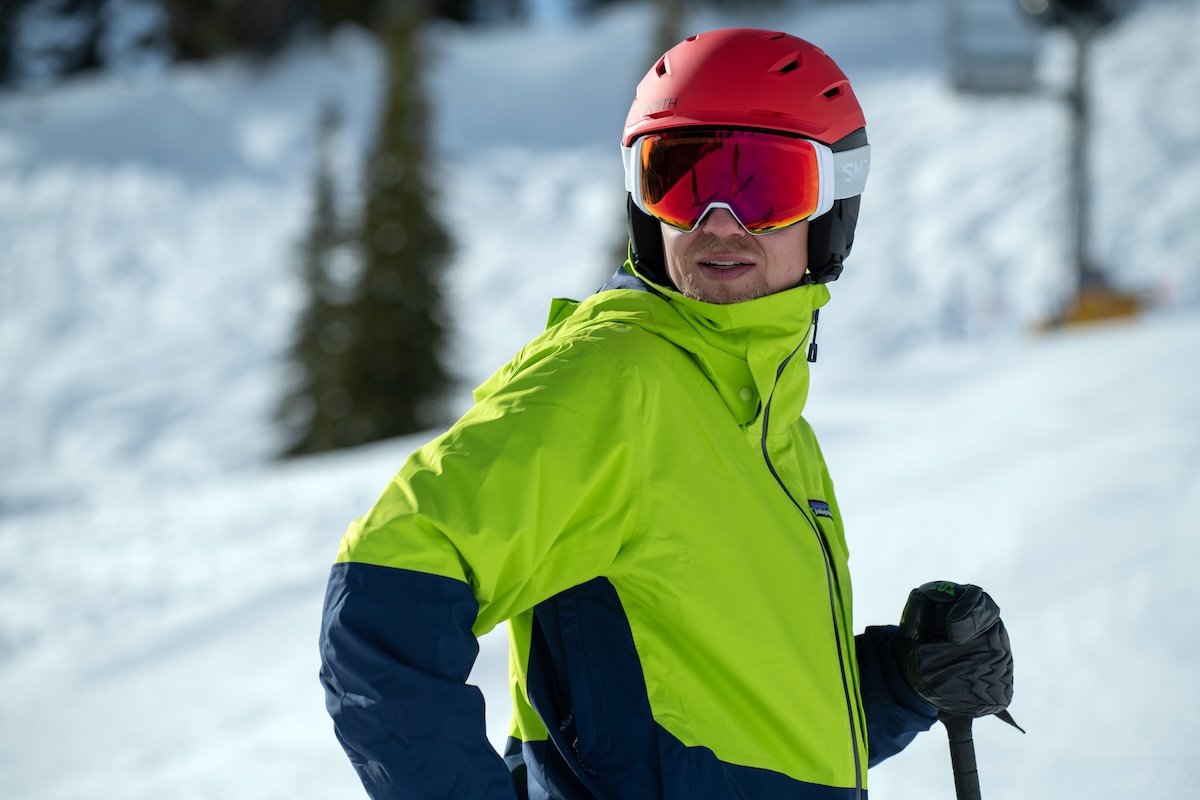
Whether you’re a beginner or a seasoned veteran, and no matter whether you ride down the mountain on one piece of wood or two, you need to protect your head. After years of contests and filming sessions, the Smith Level MIPS has become my hands-down favorite for all-around use. It has removable ear flaps that integrate seamlessly with audio systems and adjustable vents galore, so it’s great for those frosty January days but also works well in the spring or on a sweaty backcountry descent. It has integrated perfectly with all the goggles I’ve tried it with, and most importantly, it has all the latest safety certifications and technology, including MIPS and Koyroyd impact zones. For those extra cold days, I also like to use a balaclava or a powder hood, which goes over the helmet, such as The North Face Whimzy.
See the Smith Level MIPS

Goggles are a must-have for any skier or snowboarder, and there are a whole lot of options. I grew up ski racing, then switched to snowboarding in my teens, so I have worn all types, sizes, and shapes of goggles. At the end of the day, they all have the same job: to protect your eyes from the sun, wind, snow, and the countless things that can poke you in one of your most valuable assets while you’re on the slopes.
Budget-friendly
For those who are not looking to spend an arm and a leg on eyewear, I’ve found that the Goodr Snow G offers an outstanding price-to-performance ratio. They come with a hard case, two lenses, and are available in so many colors that it’s hard to imagine that you couldn’t find one that you like.
See the Goodr Snow G
Top-performing
The performance of the Smith I/O Mag Chromapop is undeniable. Chromapop is one of the best lenses I’ve ever used in all of my years in the mountains, and their magnetic lens changing system is a cinch to use. If you're shopping for someone who prefers a larger frame, Smith also has the XL, as well as the S, for people who need a smaller goggle. If you want to learn more about this model, the Switchback team also wrote an in-depth review about the Smith I/O Mag Chromapop.
See the Smith I/O Mag Chromapop
Backcountry
If you’re looking for a gift for someone who loves to skip the lifts in favor of human-powered vert, the Julbo Launcher is a fantastic choice. Nearly every time I’ve been in the backcountry, I’ve taken my goggles off and stashed them during the ascent for fear of the dreaded foggy goggle. But the Launcher has a basic yet innovative system called SuperFlow Pro that creates a gap between the lens and the frame of the goggle to prevent sweat steam from blocking your view. Opening and closing the vent takes a fraction of a second. To top it off, this model includes Julbo's "Reactiv" photochromic lenses that automatically adjust to changes in light conditions.
See the Julbo Launcher

Our team has tested a lot of skis. From touring in Patagonia to powder in Japan and thousands of chairlift laps across North America, we’ve been on just about every type of camber, sidecut, and width out there. Sometimes we find a ski that’s the best for the steeps, maybe the best for carving, or one that we think is the most beginner-friendly. But every once in a while, we come across one and say, You know what? That’s just a fun all-around ski! The Moment Wildcat 101 is that ski, with a versatile, middle-ground feel. It handles crud really well, and they go where you want them to. They’re easy to turn, but can handle higher speeds with little to no chatter. If you’re unsure of what type of skis to buy as a gift, the Wildcats are a safe bet. However, we’d like to add that buying skis for someone without knowing their size, ability level, or skiing style is quite a gamble... but we have you covered if you want to see lots more options.
See the Moment Wildcat 101

As a diehard snowboarder as well as someone who has worked in snowboard R&D for 20 years, it would be a crime not to mention the Jones Mercury FASE. Building upon previous versions of the Mercury (one of the greatest bindings ever created), the all-new 2026 model includes the FASE system, which finally bridges the age-old gap between those who want a step-on binding and those who will never let go of their ratchet straps. With FASE bindings, you only need to set your toe ratchets once a day (or ever), and by releasing your ankle strap, the highback folds back, and you can simply step out of, or back into, the binding. I had the pleasure of riding these bindings on several powder days at Snowbird and Snowbasin last winter, and I can tell you that strapping and unstrapping with this system is a breeze. If you're looking for a deck to go along with your fresh bindings, head over to our snowboard review.
See the Jones Mercury FASE

While most people prefer to choose their own outerwear, a midlayer is a gift that I’ve always been more than happy to receive. Proper layering is the most critical component of dressing for the snow, and on those variable days, your midlayer is the true temperature regulator. My go-to is the Patagonia R1 Air Hoody, which is available in both women’s and men’s versions. The R1 yarn is hollow and stitched together in a pattern that looks and feels good, while also being highly insulating. We’ve found this particular jacket to be highly durable and not only useful on the slopes: it’s a great option for a night out on the town when you’re traveling light. While it isn’t as packable as some thinner midlayers, it’s still reasonably packable and can fit in a ski backpack or duffel bag without taking up much space. To see all of the nitty-gritty details of the R1 Air Hoody, check out our in-depth review of the women's version.
See the Men's Patagonia R1 Air Hoody See the Women's Patagonia R1 Air Hoody

Arguably, the most important part of a snow softgoods kit is the baselayer. It’s critical that the clothing that is touching your skin is moisture-wicking but also warm so that if you start to sweat or get wet from shredding so much gnar, you can retain body heat when it gets cold. The best material we’ve found for this job so far is merino wool, and our go-to baselayer is the Smartwool Classic Thermal 1/4 Zip. Available for both men and women, this snazzy underlayer is stylish, odor-resistant, and comfortable. The 1/4 zipper is really nice for when it’s time to vent some heat, but fair warning: the Classic is designed for cold weather. If you’re looking for a lighter springtime first layer, the REI Co-op Midweight Long-Sleeve is a bit lighter and more budget-friendly.
See the Women's Smartwool Classic Thermal See the Men's Smartwool Classic Thermal
See the Women's REI Co-op Midweight LS See the Men's REI Co-op Midweight LS
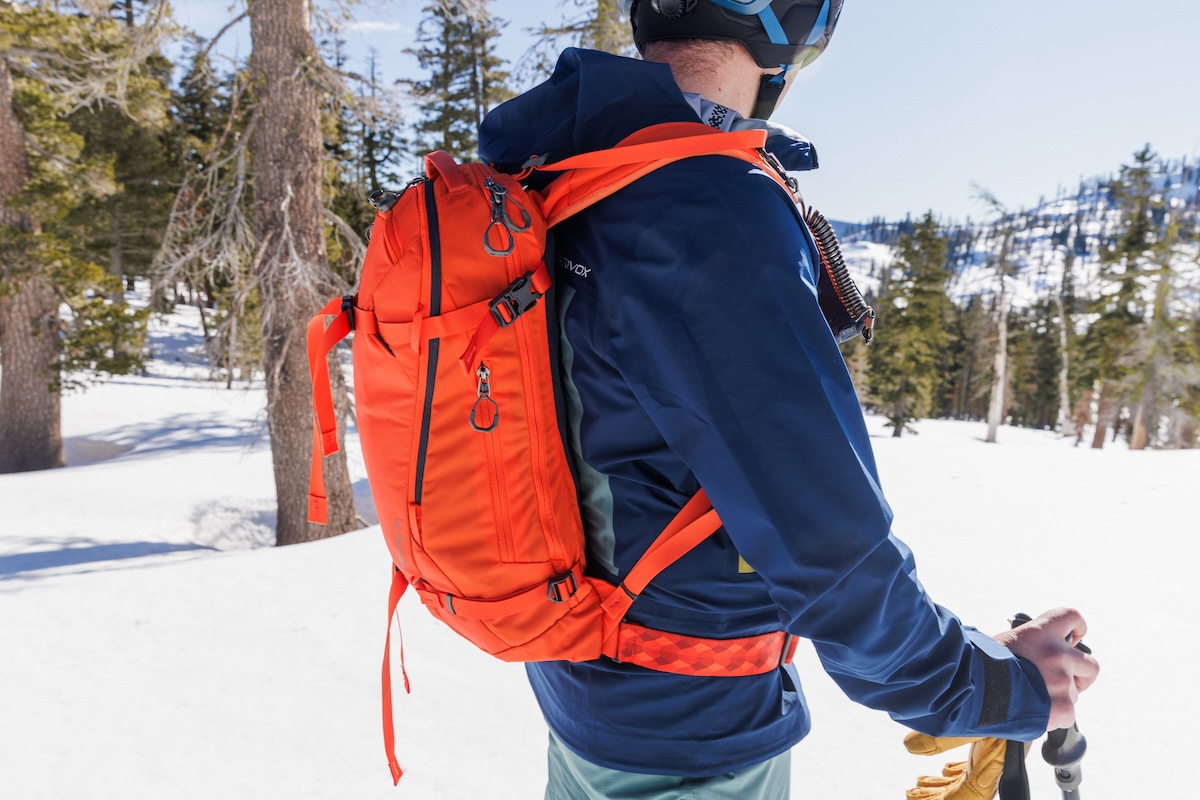
In the age of the multi-thousand-acre resort, it’s great to have some personal items on the hill with you because visits to the lodge might be few and far between, and trips to the car might be out of the question. On the days I wear a backpack, I like to bring along water, snacks, extra layers, extra gloves, and extra lenses so I’m prepared for whatever the day might bring my way. The Gregory Verte 18 was specifically designed for use at the resort with a shape that is conducive to chairlift rides. It has a pouch for a hydration bladder, a backpanel that sheds snow, and straps that are compatible with snowboards and skis if you want to go for a quick sidecountry stroll. If you want a more affordable ski backpack with a little more volume, the CamelBak SnoBlast 22 Hydration Pack is another great option for a bit less dough.
See the Gregory Verte 18 CamelBak SnoBlast 22 Hydration Pack

In the era of content creation, everyone wants to document their epic run or get a clip of their friend going full send for the ‘gram. I’ve been using action cameras for snowboarding since they were introduced, and I can tell you one thing that the vast majority of them have in common: the batteries are terrible in the cold. I cannot tell you how many times I have gone through the trouble of charging the batteries the night before, remembering the camera, freezing my hands off in the cold to get it out and turn it on, only for it to beep, beep, beep- die when I’m two turns into the run of my life. If this sounds familiar, I have good news for you: the DJI Osmo Action 5 Pro has absolutely zero battery issues in the cold. Not only does the battery last for an entire day, it lasts for several days. This handy little camera also features a top-notch user interface, a quick-mount clip for switching between landscape and portrait orientations, and DJI’s Mimo app makes Bluetooth file transfer to your phone a breeze. After a winter of using the Osmo 5, I have been telling all of my friends to ditch whatever they have and buy this camera instead.
See the DJI Osmo Action 5 Pro

Aside from hard goods, winter sports still require tons of gear, from socks to baselayers to outerwear. Whether I’m hopping in the car with friends to go to the mountain for the day or jumping on an airplane to go explore a distant mountain range, I love to have a big, basic duffel bag to toss all of my loose equipment in one place. The REI Co-op Roadtripper is perfect for the job—it’s simple, it’s spacious, and for those who care about leaving some snow for future generations, it’s made out of recycled materials. As burly as this bag is, it’s also surprisingly lightweight at 1 pound, 6 ounces, and includes a nifty storage bag for when it’s not in use. Available in 40, 60, 100, and 140L sizes, you should be able to find a size that fits the needs of anyone headed for the slopes.
See the REI Co-op Roadtripper 100L
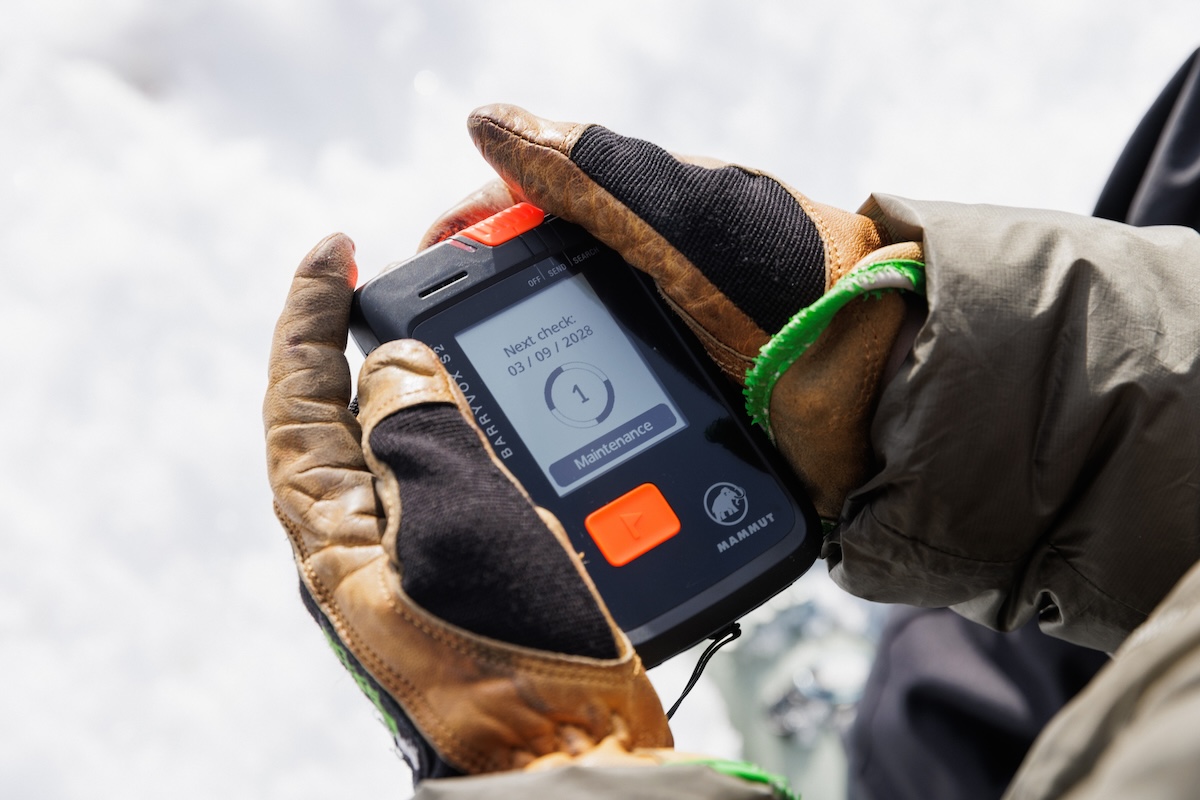
If you know someone ready to get into backcountry touring, they are facing quite the cost barrier. If it wasn’t for my family and friends helping to piece my gear together when I got started, I don’t know how I would have been able to afford it all at once. It’s absolutely critical that you have all of these items before you go—each piece of equipment is useless without the other.
Avalanche Beacon
The big one. An avalanche transceiver is a device that helps you to either locate other people who are buried or be located if you are the unfortunate one who gets caught in a slide. The Mammut Barryvox 2 is our team’s top recommendation because it is very user-friendly and has an impressive range.
See the Mammut Barryvox 2
Avalanche Probe
A probe is used to find a buried person once your beacon has helped you locate them. The Backcountry Access Stealth 330 has been in my avalanche backpack for years. It is extremely quick to deploy, lightweight, and features incremental centimeter measurement markings for checking snow depth, performing rescues, or logging data.
See the BCA Stealth 330
Avalanche Shovel
After you’ve found a buried person with your beacon and probe, it’s time to dig like you have never dug before. My go-to is the Backcountry Access Dozer T1 because it’s compact, relatively affordable, and light. Many of my friends also go with the very budget-friendly Lifeline Aluminum Shovel, which gets the job done, but is a bit heavier than the Backcountry Access model.
See the BCA Dozer T1 See the Lifeline Aluminum Shovel

I have vivid childhood memories of receiving ski socks as gifts and being beyond disappointed that it wasn’t the newest Lego kit, video game, or remote control car that I wanted. Fast forward a few decades in the cold, and I absolutely love getting ski socks as gifts. When you’re in the elements all day and your feet get cold or uncomfortable, your day is as good as over. After using hundreds of pairs of ski socks, the Smartwool Ski Targeted Cushion OTC is easily my favorite. They are the perfect blend of merino wool, nylon, and elastane, giving them the ideal stretch while keeping your toes cozy. They feature mesh in the ankle flex area and a bit of padding on the shins, making them perfect for either skiing or snowboarding.
See the Smartwool Ski Targeted Cushion OTC

Mittens have been all the rage in the snowsports world lately, and I have been wearing them exclusively for about ten years. My number one reason? Because your fingers get to party together. With the freedom of the single pocket for your digits, your hands stay cooler when it’s hot outside and warmer when it’s freezing. Manufacturers have caught on and love to charge a premium for their brand name, but the savvy shopper can find alternatives that are almost as good as the fancy stuff at a fraction of the price. My top choice is the Carhartt Insulated Cuff Mitten. They’re waterproof, they’re lined, Carhartt is in style, and I don’t feel like I’m draining my bank account when I push that “add to cart button.” If they ever wear out, get lost, or start to smell beyond what is deemed washable, I just buy another pair.
See the Carhartt Insulated Cuff Mitten

It’s a rare occasion for me, but when the weather allows, I love riding in shades. Sunglasses weather usually means ample sunshine, warm temperatures, and spring vibes. But the glasses you choose need to offer a high level of protection from the sun and wind, which is why I opt for “shield”-style models, and the Smith Wildcat Chromapop is my top choice. They include the same lens tech that Smith includes in their ski goggles, they come with an extra lens, and they’re really comfortable while offering maximum coverage. If the Wildcats are a little out of your price range, the Suncloud Upshot offers similar protection with a similar look, but the lenses have less tech, and there are no bonus lenses included.
See the Smith Wildcat Chromapop See the Suncloud Upshot

After decades of skiing and snowboarding in dozens of different types and brands of outerwear, the 686 Smarty 3-in-1 Form has become my favorite jacket. The shell is phenomenal—I’ve been in the parking lot at the end of the day after a long backcountry mission, and everybody was wet besides me. With the thermal puff zipped into the shell, it’s incredibly warm. In fact, in the Sierra and Wasatch Mountains, I truly only needed the liner for the coldest days of the year. One of my favorite things about this package is wearing the puffy liner on its own. It’s really comfortable, it’s stylish, and it’s warm. In fact, I’ve probably worn the liner out on the town more times than I’ve worn the jacket in the snow.
See the 686 Smarty 3-in-1 Form

Winter nights are long. In a lot of ski towns, it’s dark by 5 or 6 pm in the winter and stays pitch black until 7 am. While you’re cozying up in the cabin or the condo, it’s nice to fill your time with something besides screentime. Last year, I bought my parents The Man Behind the Maps, an illustrated coffee table book by the legendary James Niehues. If you’re unfamiliar, he’s the man who has hand-painted nearly every trail map in North America. His book goes into his process and shows every map he has painted, region by region. I’ve spent hours gazing at this book, and to be honest, I halfway bought it for myself for when I’m home for the holidays. For the cook in the family, check out Ski Snacks: Easy, Tasty Recipes for Powder Days and Mountain Adventures. This book is filled with gourmet recipes of soups to warm you up after a long day on the hill and pocket snack ideas for those chairlift rides.
See The Man Behind the Maps See Ski Snacks
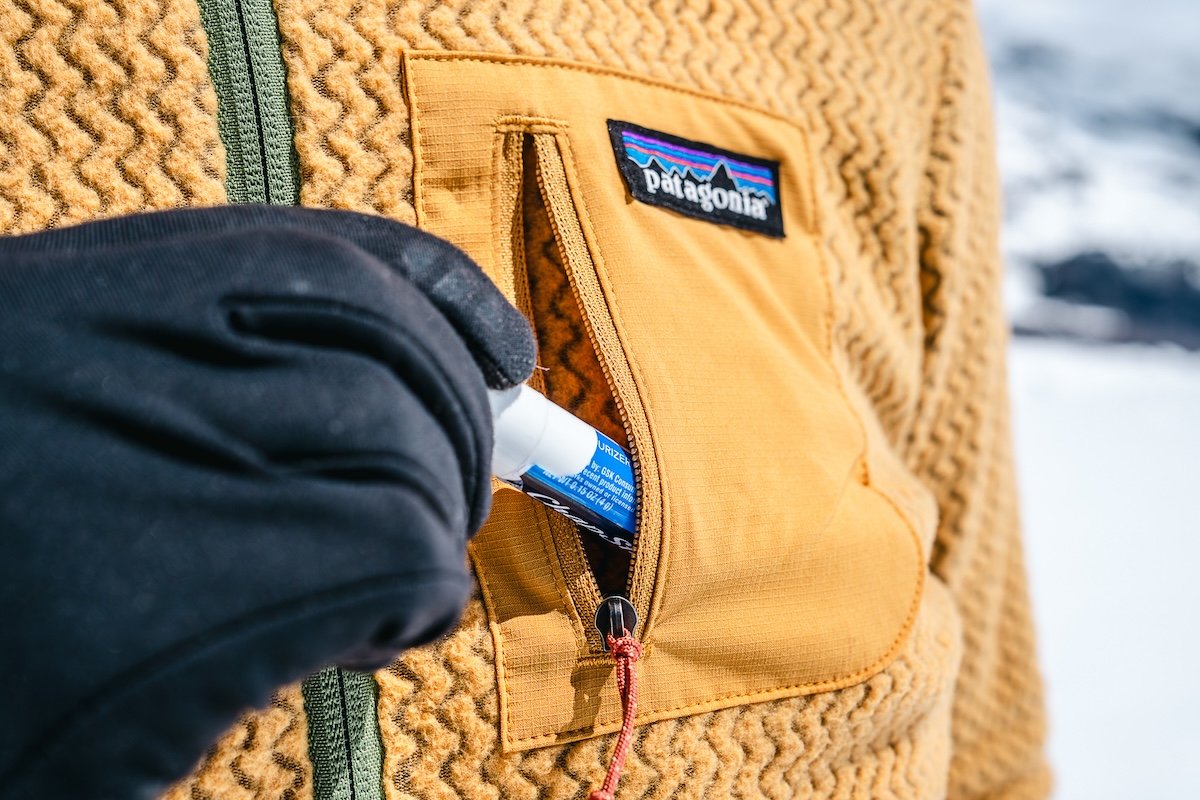
It’s no secret that skiing and snowboarding are far from affordable endeavors. At a bare minimum, you need gas or a bus pass and snacks for the day. At the other end of the spectrum, you may need to purchase gas for the helicopter and tip money for the valet at the 5-star hotel. But, after a lifetime in the snow, I can tell you that there are a few very affordable items that, if you are lacking, you are headed back to the lodge while everyone else gets to have the time of their lives.
Sunscreen and Lip Balm
In the mountains, skin protection is tantamount. Snowsports take place at high altitudes where the sun is more fierce and the snow reflects upwards of 90% of its UV light, sending it back up at you from below. Ever had the underside of your nose burnt? No fun. One of my go-to favorite sunscreens is the 3-ounce bottle of Sun Bum. Also, in the wind, sun, and snow of high alpine, high wind environments are going to try to wreak havoc on your lips. I always keep a stick of good old-fashioned ChapStick SPF 15 in my pocket.
See the 3-ounce Sun Bum See the ChapStick SPF 15
Windbuff
Facemask, balaclava, buff, neck gaiter—they go by many names and come in all kinds of different materials, shapes, sizes, and designs. Personally, I wear one every single day I’m on the snow. If it’s cold, I’ll wear a thicker, warmer version such as the Buff Polar Prints Neckwarmer to keep the wind, snow, and ice from freezing to my face. If it’s a 45-degree spring day, I’ll wear a light and breathable tube, such as the Evo Freefall, to back up my sunscreen because I’m of Scotch-Irish descent and I went to high school on Monday morning after a great spring skiing weekend, looking like a red raccoon enough times to never want to feel that embarrassment again.
See the Buff Polar Prints Neckwarmer See the Evo Freefall
Handwarmers
These are the $3 miracles that might not only keep your friends, your partner, or your kids out for a few more runs on that perfect day, but they can also seriously save somebody from frostbite. Sometimes we end up on a longer run than we’d hoped, the chairlift has a mechanical issue, or maybe you just goofed it and brought the wrong gloves—handwarmers can be a savior, especially for those new to these sports. After all my years of dawn patrol backcountry missions and sunset “whoops, it’s getting really cold now” descents, I still get caught unprepared sometimes, and that’s why I always keep these in my backpack. I usually just buy a bulk box of HotHands for the winter.
See the HotHands Hand Warmers
Snacks!
Whether you’re a 100-day-a-year, vertical stacking machine, a weekend warrior, or you’re brand new to the mountains, you’re going to need fuel when you are on the snow. After spending half my savings on gear, passes, and transportation to the mountain, the last thing I want to do is take a break from the fun to go wait in line for what is infamously mediocre food at the resort. Plus, chairlifts are a great time for a snack. Some of my go-tos are energy chews, energy bars, and jerky.
Shop Energy Chews Shop Energy Bars Shop Jerky

_01074.jpg?h=fbc67360&itok=LZfjph4c)
d2fe.jpg?h=fbc67360&itok=9OxKROqi)
%20(s)48aa.jpg?h=fbc67360&itok=LvUlkI0t)

c149.jpg?h=fbc67360&itok=vcIod759)
0ec1.jpg?h=fbc67360&itok=oGaifWVw)