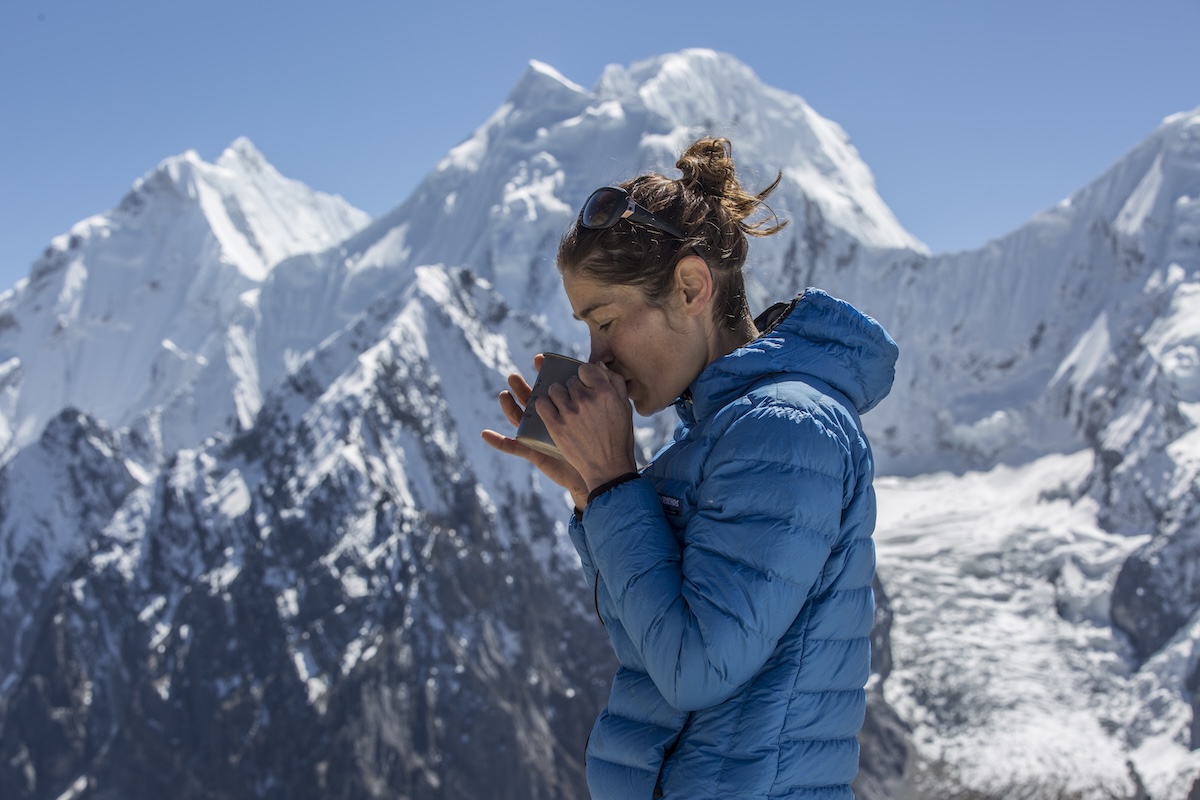

Photo Credit
It’s that time of year! Time to find the perfect present for our adventurous loved ones. For that person in your life who loves all things cold weather, check out our gift guide for skiers and snowboarders. For ideas tailored to other pursuits, we also have more editor-recommended gift guides to explore. Happy gift giving!
When the coldest winter months arrive, it’s time for a serious jacket. Our picks for the best winter jackets and parkas of 2025 are among the warmest on the market, expertly packed with down fill, high-quality synthetics, or (more than ever) recycled or upcycled insulation. These layers are designed to withstand freezing temperatures, snow, and howling winds, and they range from more casual pieces suitable for everyday use to performance options built for the backcountry, with some being fully capable of handling both. For more background information, see our winter jacket comparison tables and buying advice below the picks, along with details about our testing process. This is a comprehensive unisex lineup, but we've also compiled separate guides for women's winter jackets and men's winter jackets, which exclusively cover each gender.
Editor's note: We updated this guide on November 7, 2025, to add the REI Co-op Campwell Down Parka and The North Face Aconcagua 3 Hoodie to our list. We also added a new tested and dismissed section to discuss jackets that we either removed or tried out and didn't feel were competitive enough for our final lineup. Lastly, we updated all links, prices, and specs to reflect the most current offerings for each product.
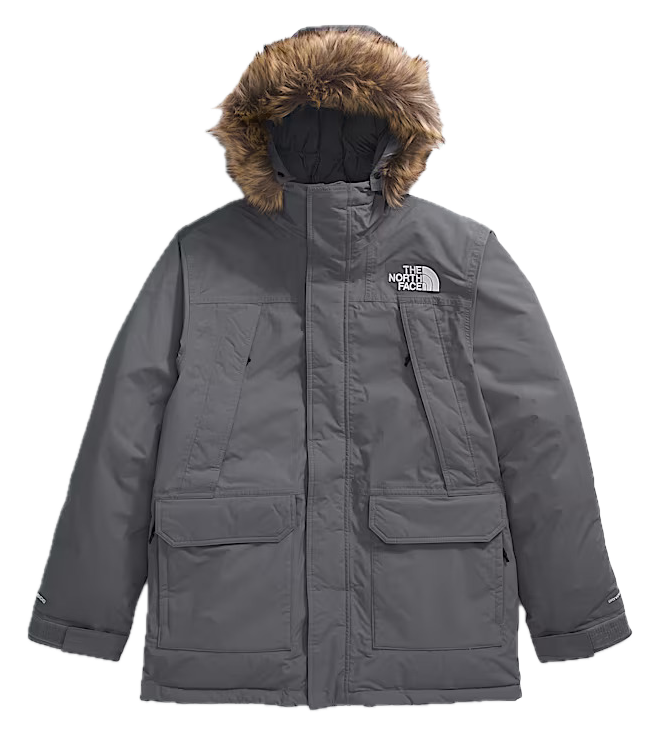 Fill: 600-fill-power down
Center back length: 31.8 in.
Waterproof?: Yes
What we like: Warm, waterproof, excellent length, and reasonably priced.
What we don’t: Heavier and less packable than a more performance-oriented jacket.
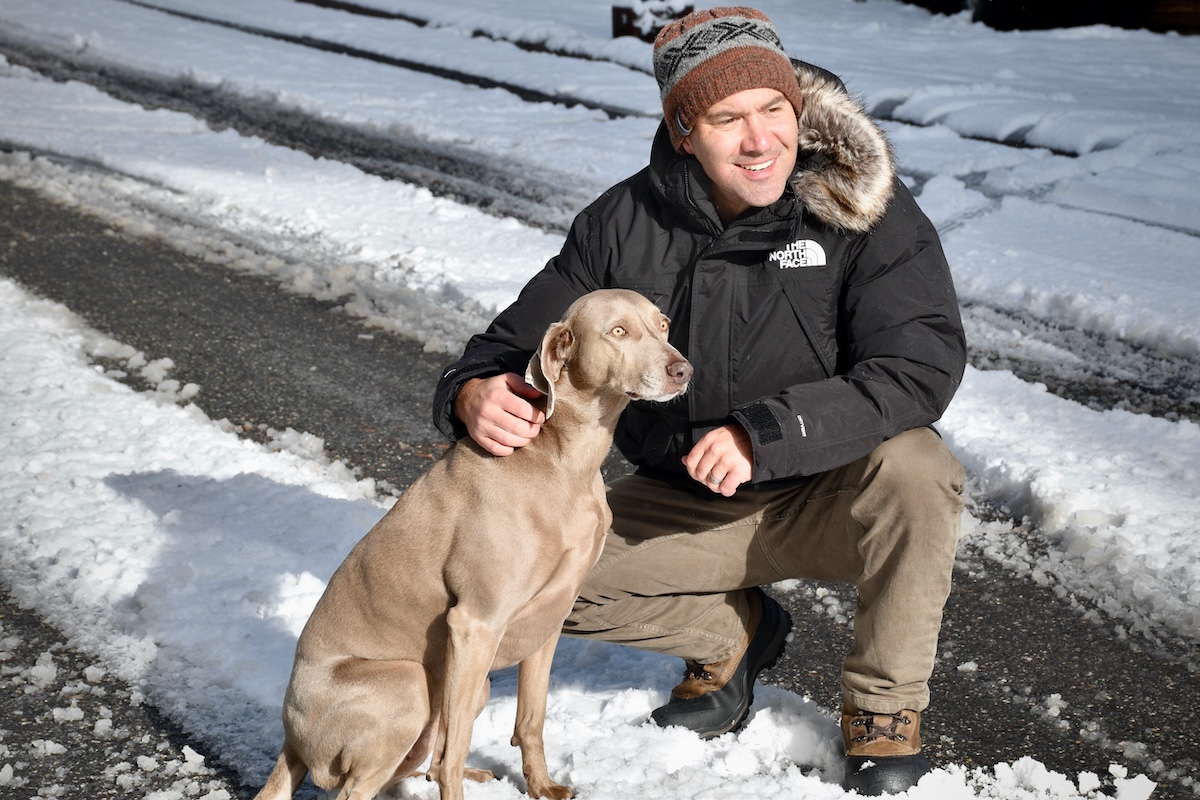
You can spend a shocking amount of cash on a good winter jacket, and while The North Face McMurdo Parka is pricey, we still feel it expertly balances quality and value. This jacket is a classic for a reason, covering all the important milestones: It's warm, water- and windproof, and has decent breathability for when temperatures are milder. We love the longer, upper-thigh-length cut, which provides excellent coverage without impeding mobility (the two-way main zipper helps), as well as the removable faux-fur brim on the hood. Lastly, the McMurdo incorporates most of the sustainability efforts we've come to expect from top brands, such as recycled fabrics and down fill, and a PFAS-free DWR treatment.
The McMurdo is a more urban-oriented and casually minded parka. For backcountry use, we recommend looking at more technical alternatives like the Rab Neutrino Pro below. The McMurdo also doesn't provide the same level of warmth for its weight as some of the pricier options on the market that use thinner materials and higher-fill-power down (which also makes them more compressible). But if you need something for around-town and everyday use, none of these things will be dealbreakers, and the $400 price tag is fair for what you get. If you like this parka but would prefer a shorter version, there's also the McMurdo Bomber for $350. For women, there's the Arctic Parka, which shares many similarities, including full waterproofing, a cozy interior, a removable faux-fur lining on the hood, and 100%-recycled fabrics.
See the Men's The North Face McMurdo Parka

 Fill: 8.5 oz. of 600-fill-power down
Center back length: 39.3 in.
Waterproof?: No
What we like: Cozy and stylish with Patagonia's typical performance and quality.
What we don’t: Bulky packed size and only average-quality down.
While highly technical jackets certainly have their place, everyone needs a solid winter piece for casual, everyday activities such as walking the dog or running errands. For all those instances and more, the warm and stylish Patagonia Down With It Parka is our top choice. This jacket boasts the premium build quality, attractive finishes, and thoughtful features (such as a removable hood and a two-way zipper) that Patagonia is known for. On the insulation side, the Down With It provides a generous 8.5 ounces of 100%-recycled 600-fill down and a long (39.3-in.) center back length. We've found this parka to be a perfect winter companion in all but the coldest conditions and reach for it more than almost any other option in our closet.
What really sets the Down With It apart for us is comfort. While some winter jackets have thick or canvas-like face fabrics (which certainly have their place), we love the featherlight feel and silky-smooth interior of this design, coupled with an attractive fit that tapers at the waist just the right amount. That said, there are some things to keep in mind: The Down With It uses lower-quality down, which doesn't provide as much warmth for its weight or compress down as well as higher-fill-power alternatives. Furthermore, this is not a waterproof option—the PFAS-free DWR treatment will resist light moisture, but this isn't the jacket to choose for seriously wet conditions (check out Patagonia's Tres 3-in-1 below if you live somewhere drippy like the PNW). These things aside, if all you need is something cozy for dry and subfreezing conditions, this parka is hard to beat. If you'd prefer something shorter, check out the hip-length Down With It Jacket for $229.
Read more: Patagonia Down With It Parka review
See the Women's Patagonia Down With It Parka
.jpg)

Fill: 850-fill-power down; 180g & 80g synthetic
Center back length: 31.5 in.
Waterproof?: Yes
What we like: Excellent warmth and reliable waterproofing at a great price.
What we don’t: The mix of technical and casual features won't be for everyone.
REI's Stormhenge 850 line has been available for several years now, but it made quite a splash at its release. A waterproof shell with premium 850-fill-power down for under $300? That's practically unheard of. The "hybrid" in the name refers to the fact that recycled synthetic insulation is used in areas prone to moisture (such as the cuffs and hood), as down loses its insulating properties when wet. Add to the mix a length that allows for good coverage without being too long, well-designed pockets, pit zips, and a helmet-compatible hood, and you have a versatile jacket that can handle everything from hitting the town to lapping the slopes. The 2-layer waterproof construction and sealed seams are other perks that truly make the Stormhenge a steal at $279. If you prefer even more coverage, a 4-inch-longer parka version is also available for just $299.
Who is the Stormhenge best for? It's a bit of a mixed bag. The design is reminiscent of a belay jacket or ski shell thanks to the technical features and waterproofing, but it's fairly large and bulky when rolled into its hood and doesn't come with a dedicated stuff sack or pocket. Fit is another area where the Stormhenge trends toward the more casual end: We found it on the baggier side with noticeable roominess at the chest, shoulders, and waist/hips. Still, the Stormhenge Down Hybrid has a lot to offer with a stellar combination of price, performance, and features. This is a nice addition to any winter quiver. There's also a women's version available in both a 28.3-inch-long jacket version and a 36.5-inch parka.
Read more: REI Stormhenge 850 Down Hybrid review (men's version)
See the Men's REI Stormhenge 850 Down Hybrid See the Women's REI Stormhenge 850 Down Hybrid
.jpg)

Fill: 650-fill-power down & 120g synthetic
Center back length: 36.5 in.
Waterproof?: No
What we like: Solid warmth, thoughtful accents, and nice styling for just $229.
What we don’t: Boxier fit than most parka-length jackets we've tested and sleeves run short.
The Campwell Down Parka is not to be missed. REI Co-op is known for making high-quality items at impressive price points, and this $229 parka is a prime example. Recycled polyester and 650-fill-power down (loftier than our top-ranked Patagonia Down With It above) meets a DWR-coated shell, a sherpa-lined hood, cozy knit cuff gaskets, and a helpful snapped storm flap over the two-way front zipper. Similar to the Stormhenge above, this is a hybrid design with the synthetic insulation along the lower body and hood, adding a nice dose of assurance that you'll stay warm, even in wet weather.
The Campwell has a slightly boxier cut compared to some of the more tailored (and pricier) options on this list, such as the Patagonia Down With It above and their Tres 3-in-1 below, though there is a drawcord-adjustable waist to help dial in your fit. The sleeves also run short, so long-armed folks might take issue. Still, this is a cozy and well-designed everyday jacket with some excellent features, including zippers that extend 6 inches up each side to provide better mobility when sitting or walking, an interior zippered chest pocket, and easy-to-grab cords on the hood for when your hands are cold or mitten-laden. Overall, this is an impressive piece for the price and one we look forward to wrapping ourselves up in when the mercury drops.
See the Women's REI Campwell Down Parka See the Men's REI Campwell Down Parka

Fill: 4.2 oz. (men's)/5.6 oz. (women's) of 700-fill down
Center back length: 33 in. (men's), 35.5 in. (women's)
Waterproof?: Yes
What we like: Clean styling and highly versatile with top-notch weather protection.
What we don’t: On the heavier end and expensive for a non-technical jacket.
While warm winter coats abound, they aren't always particularly stylish (and vice versa). Enter the Patagonia Tres 3-in-1, a versatile parka that's practical, warm, and good-looking. This jacket is fully waterproof, featuring Patagonia's H2No membrane and a nicely designed hood. It's also well-insulated, thanks to the removable inner jacket packed with 700-fill down, and comfortable, with a clean, stylish design. If that isn't enough, the 3-in-1 construction allows you to wear just the outer waterproof shell on warmer, rainy days, just the inner down jacket on cool, dry outings, or zip it all together for well-insulated protection when it's truly cold or windy. A two-way zipper on the outer shell helps with mobility, as does the "regular" fit (it used to be a slim fit and was tight across the shoulders for us).
Comparing the Tres 3-in-1 to other parkas on this list, the 700-fill-power down is higher quality than the 600-fill used in The North Face McMurdo and Patagonia Down With It, but less than the 850-fill used in the less expensive REI Stormhenge above. However, the longer length of the Tres offers more coverage and warmth than the REI, and it's notably more stylish. Really our only complaint here is the hefty price tag, though when you consider that you're getting three jackets for the price, the pill is a bit easier to swallow. We wish the down midlayer had a two-way zipper like the outer shell, and at almost 3 pounds (and over 3 lb. for the women's version, which is longer), the Tres is on the heftier end. Still, we love the sleek design and full waterproofing, making this a great choice for mid-winter blizzards, wet and drippy shoulder-season days, and everything in between.
Read more: Patagonia Tres 3-in-1 Parka review (women's version)
See the Men's Patagonia Tres 3-in-1 See the Women's Patagonia Tres 3-in-1
.jpg)

Fill: 7.5 oz. (men's)/6.4 oz. (women's) of 800-fill-power down
Center back length: 30.3 in. (men's), 28.3 in. (women's)
Waterproof?: No
What we like: Packs down relatively small and has loads of premium down for a reasonable price.
What we don’t: Not particularly everyday-friendly; left-hand zipper might take some getting used to.
The options on our list so far lean toward casual and everyday use, but if you're looking for something more performance-oriented, we recommend taking a serious look at the Rab Neutrino Pro. This is a supremely warm jacket with backcountry-ready features, all for a reasonable $425. You'll get 7.5 ounces of 800-fill hydrophobic down (certified to the Responsible Down Standard), which is much more than similarly priced down jackets from brands like Arc'teryx and Patagonia. As with most down puffers, the Rab isn't waterproof, but it does boast a Pertex Quantum Pro shell to protect you in light moisture.
If you're looking for a jacket that can pull double duty both outdoors and in the city, we'll warn you that the Neutrino Pro looks decidedly more technical. That said, if you live in or near the mountains, the clean design and attractive colorways will easily fit right in. The 20D shell fabric is par for the course for a lightweight performance piece, but you'll want to take precautions against snags and tears—this isn't really an everyday jacket. Lastly, because Rab is a U.K.-based company, the Neutrino Pro has a left-hand zipper—not a big deal, but something to get used to.
Read more: Rab Neutrino Pro review (men's version)
See the Men's Rab Neutrino Pro See the Women's Rab Neutrino Pro
.jpg)
 Fill: 13.3 oz. of 900+-fill-power down & 200g PrimaLoft Gold (collar)
Waterproof?: No
What we like: The most down fill in our lineup makes for an extremely warm jacket.
What we don’t: Technical look and very expensive.
Feathered Friends is a small, Seattle-based company that specializes in premium down products—mostly technical pieces like jackets and sleeping bags for mountaineering objectives, though they do also now make high-quality bedding for the home. We are big fans of their lightweight Eos line for milder temps, but for seriously cold objectives, the Khumbu Parka is what you'll want. It's filled to the gills with over 13 ounces of 900+ responsibly sourced goose down. Additional well-considered features include thick (200g) Primaloft Gold synthetic insulation around the collar to help maintain insulating properties in this condensation-prone area, a two-way waterproof zipper, PFAS-free fabrics, and articulated sleeves with elbow reinforcements.
In some respects, the Khumbu Parka could be at the top of our list, but the high price and technical slant limit its appeal for daily use, pulling it down a bit lower in our rankings. If you live somewhere prone to severe cold fronts, the Khumbu certainly has appeal for everyday use, but this jacket is optimized for high-altitude mountaineering and big-mountain summits. More casual options, such as the Arc'teryx Thorium and Outdoor Research Coldfront below, will look more at home in the city, and the Rab Neutrino Pro above will save you over $300 while still providing excellent warmth in typical winter conditions. But if you're on the hunt for maximum down fill and mega warmth, the Khumbu Parka is not to be missed.
See the Feathered Friends Khumbu Parka

Fill: 110g & 130g Pakafill (alpaca fiber)
Center back length: 29 in. (men's), 27.1 in. (women's)
Waterproof?: Yes
What we like: Surprisingly lightweight for the warmth it provides, stylish, well featured, and a solid value.
What we don’t: Technical but not as compressible as a down puffy.
The Switchback team wears a lot of jackets of all types over every season of the year, and it's rare that anything surprises us. But when the Paka Apu Parka came out last year, it was quickly a standout in our closet. While this jacket looks deceivingly (and stylishly) casual, the Apu is built for more than just running errands around town. Pit zips and a helmet-compatible hood meet an incredibly soft, waterproof exterior, and thumb holes on the internal cuff gaskets are some of the best we've experienced. Paka won an ISPO award for this parka thanks to their innovative "Pakafill", a fully traceable insulation sourced from free-range alpacas in Peru. If you prefer to avoid down but also don't love the carbon footprint of synthetics, the Apu is absolutely worth checking out.
Synthetic insulation is safer than down fill if moisture is in the forecast, as synthetics will continue insulating even when wet (down does not). The alpaca-based Pakafill in the Apu Parka also offers this perk, and the relatively light weight of 1 pound 14 ounces for the men's version (1 lb. 10.1 oz. for the women's) makes this jacket a viable option for some serious objectives. The alpaca insulation is also decently compressible, though not to the same extent as down. That said, Paka claims that the material has half the volume of down due to air pockets that also aid in ventilation. At the end of the day, it will depend on what you most need out of your jacket, but we've seen and/or worn the Apu Parka everywhere from the ski resort to mountain peaks, so we know it has some impressive chops. It's also been a favorite of ours for casual daily wear thanks to the stylish branding, uber-soft materials, light weight, and solid level of warmth.
See the Men's Paka Apu Parka See the Women's Paka Apu Parka
 Fill: 6.7 oz. (men's)/5.6 oz. (women's) of 700-fill down & 150g VerticalX Eco
Center back length: 29 in. (men's), 29.5 in. (women's)
Waterproof?: No
What we like: Comfortable, versatile, and won't break the bank.
What we don’t: Just average in terms of warmth and coverage.
Outdoor Research is known for offering solid products at a good value, and the Coldfront Down Hoodie is a prime example. This hip-length puffy boasts a competitive mix of warmth and protection for the very palatable price. We appreciate the weather-ready VerticalX Eco synthetic insulation at the cuffs and shoulders, along with a healthy amount of 700-fill-power down elsewhere. A notable feature of the Coldfront is its soft, 30D Pertex Quantum Eco shell that does a nice job fending off abrasion and moisture, and we love the fleece-lined pockets for warming cold hands. The women's version also boasts cozy cuff gaiters with thumb loops and an internal waist cinch, although the men's version forgoes both of these features.
Overall, this is a well-rounded and approachable choice for everyday use and lighter adventures in moderate winter conditions. The Coldfront has less down fill than other options above (such as the more technically minded Neutrino Pro), but not everyone needs an ultra-puffy jacket meant for colder temps. And while the Coldfront has a decently generous length for a hip-length piece, it won't cover your butt and thighs like a longer parka. But if you live somewhere milder or need a companion for activities like hiking or snowshoeing where you'll be generating some heat, this is a well-made and affordable option to have on your radar.
See the Men's OR Coldfront Down Hoodie See the Women's OR Coldfront Down Hoodie

Fill: 50% 600-fill recycled down, 50% recycled polyester
Center back length: 27.8 in. (men's), 25.4 in. (women's)
Waterproof?: No
What we like: Soft material, great for shoulder season and layering, good price.
What we don’t: Not for the coldest of temps, no waist cinch, matte material stains more easily.
Sometimes you don't need heavy, waterproof, and technical. Sometimes all you need is light, comfortable, and warm enough. If that resonates, then The North Face Aconcagua 3 Hoodie might be a great fit. This well-priced and lightweight jacket is ideal for milder temps or shoulder seasons when it's cold outside but not extreme. The recycled material is pleasantly soft to the touch, the colorways are pleasing, and the overall fit and finish is simple yet stylish. Additionally, the half-down, half-synthetic insulation is zoned to provide warmth and protection even in wetter conditions, and the high collar and ample hood with cinch cord provide great protection on blustery days.
While the Aconcagua 3 Hoodie offers high value, it's not without its shortcomings. If you live somewhere particularly frigid, this jacket may not be enough—it's lightweight and there's no cinch cord on the hem for sealing out the elements. And while we love the soft matte outer material, it will show stains more readily than some other fabrics. Additionally, while decently stylish, some folks find the fit a bit boxy. Still, we feel like this is a great jacket for the price, and if the weather turns stormy and wet, it's a great candidate to use as a midlayer under a hardshell. For women who want some extra protection, the 36.9-inch-long Aconcagua Parka is super cozy and only $30 more.
See the Men's TNF Aconcagua 3 Hoodie See the Women's TNF Aconcagua 3 Hoodie
.jpg) Fill: 250g Supreme Microloft synthetic
Fill: 250g Supreme Microloft synthetic
Center back length: 34.6 in (men's), 33.9 in. (women's)
Waterproof?: Yes
What we like: A good-looking, well-built, and weather-worthy synthetic parka.
What we don’t: Heavy and pricey.
Just because a jacket looks good doesn't mean it has to be devoid of technical chops. Fjallraven tends to do a great job with this balance, and their Nuuk Parka is a perfect example. While certainly more of an urban jacket, the synthetic Nuuk has handled some serious wind, wet, and cold during our testing. The 250-gram (g) synthetic Supreme Microloft, water- and windproof outer shell, and attractive styling exemplify the reasons this parka has been a staple in Fjallraven's winter line for years. Features are well considered and include a plethora of pockets (11 total), an oversized and fur-brimmed hood (the fur is detachable), and a two-way front zipper. Overall, this is a weather-ready parka with refined features and a high attention to detail.
While we love both the fit and functionality of the Nuuk Parka, it's certainly not a lightweight or packable piece. In other words, this isn't the coat to bring into the backcountry or while traveling unless you have a particularly large suitcase. The Nuuk also lacks the cozy and lofty feel of a down jacket like the Rab Neutrino Pro above, which is $75 cheaper. Additionally, the Nuuk runs large, and our female tester found that drafts could creep up from the bottom due to the roomy fit. However, she also stayed warm and dry during a bomb cyclone, so we feel confident saying that weather-worthiness is top-notch. If you can stomach the $500 price tag and need something warm and confidence-inspiring for more urban pursuits, this is a great choice.
Read more: Fjallraven Nuuk Parka review (women's version)
See the Men's Fjallraven Nuuk Parka See the Women's Fjallraven Nuuk Parka
 Fill: 5.2 oz. (men's)/5.0 oz (women's) of 750-fill down & 140g Coreloft
Center back length: 29.1 in. (men's), 26.8 in. (women's)
Waterproof?: No
What we like: A versatile, warm, and well-built down puffy from one of the best in the business.
What we don’t: Expensive, not as performance-oriented as other options here, women's version is a little lacking in storage.
There's nothing quite like a well-made down jacket, and the Arc'teryx Thorium is one that continuously rises to the top for us. Built for everyday wear but also ready for more technical objectives, this puffy deftly balances function, durability, and weight savings. The 30D shell resists abrasion much better than thinner designs, and we always love a two-way zipper on a winter jacket. The men's Thorium has great storage, with two zippered hand pockets, two internal dump pockets, and a chest pocket. Sadly, the women's version omits both the chest pocket and one internal dump pocket. But both models offer high-quality 750-fill down with synthetic Coreloft in areas that get more exposure to the elements, wide and stylish baffles, a generous collar, and Arc'teryx's excellent StormHood.
The Thorium is undeniably expensive for a down puffer, particularly when you consider that the OR Coldfront above offers similar protection and warmth for almost half the price. And the Rab Neutrino Pro is also significantly warmer for less, though it's got a more technical look. That said, there's something about Arc'teryx products that's hard not to love. The tailoring, quality, and overall look are pleasing, and the Thorium really does find an excellent balance between weight and durability for those who need something that can pull double duty between the front- and backcountry.
Read more: Arc'teryx Thorium Hoody review (women's version)
See the Men's Arc'teryx Thorium Hoody See the Women's Arc'teryx Thorium Hoody
 Fill: 700-fill-power down
Center back length: 30 in. (men's), 33 in. (women's)
Waterproof?: No
What we like: Shell fabric is soft, stretchy, and durable.
What we don’t: A bit shorter and boxier than most parkas; wind can penetrate baffle seams.
The Mountain Hardwear Stretchdown Parka stands out in a sea of down jackets, thanks to its unique baffles and matte (instead of shiny) exterior. Welded seams and stretchy materials reminiscent of your favorite softshell come together to create a truly cozy, durable, and comfortable winter option. The styling is perhaps a bit polarizing, but if you're a fan of the look, the Stretchdown collection has a ton of offerings, including shorter jackets and hoodies, pants, vests, skirts, pullovers, ponchos, and even quilts. The Parka here offers the most coverage and warmth for truly cold temps.
Our testers were a bit divided on the overall look of the Stretchdown Parka, with some really liking it and some finding it unflattering. The fit runs a bit big, and the shape is somewhat boxy, though our male tester with broad shoulders still found it slightly tight through the armpits. And while dubbed a parka, it's on the short side compared to other options in our lineup (just 30 in. long for the men's and 33 in. for the women's), though backside coverage remains decent. Biting winds can cut through the baffle seams, but overall, we found the Stretchdown to be very warm (sometimes even too warm on milder days). In the end, the Stretchdown can play the part whether you spend your winters in a more urban setting or in the backcountry (though it's a bit heavy for that at 1 lb. 11.3 oz. for the men's and 1 lb. 8.6 oz. for the longer women's), and the warmth, durability, and soft fabrics make for a jacket we keep coming back to.
See the Men's MH Stretchdown Parka See the Women's MH Stretchdown Parka
The list above reflects our top picks, based on years of testing dozens of different types of jackets and parkas. Many things cross our path that we put to the test but don't wish to include for any number of reasons, such as price, fit, function, or availability. We strive to compile a list of options that best balance these components, allowing you to maximize your purchasing dollars. However, we also recognize that it may be interesting to gain some insight into what else we've tested and ultimately decided not to include.
For years, we included the Canada Goose Expedition Parka on our list as an expedition-worthy jacket built for extreme cold. We ultimately decided to remove it from the lineup due to its staggering price tag of $1,675. While folks going to places like Antarctica or mountaineering in the world's highest mountain ranges will certainly need a very serious jacket, this simply isn't what most people are looking for in a winter jacket. Additionally, expedition-worthy jackets with higher-quality materials are available from athlete-focused brands, such as The North Face, for hundreds of dollars less—much of what you're paying for from a brand like Canada Goose is elite brand recognition, and that just isn't enough for us to recommend spending such a wild amount of money with a straight face.
We also removed the Patagonia Silent Down this year. The non-hooded jacket and parka are only available for women, and while nice, they don't necessarily stand out in any particular way for their slightly higher prices (the jacket isn't available with a hood, and the parka is over $400). On the men's side, there's the Reversible Silent Down, which is admittedly very warm and cozy, but we simply didn't find ourselves reaching for it most of the time. The interior fleece makes the jacket too warm much of the time, so we'd rather have the ability to layer as we wish, keeping our fleece and down jackets separate.
Lastly, we tested the men's Patagonia Jackson Glacier Jacket and decided not to include it. It's a nice jacket, but there's nothing particularly exciting about it. It's pricey at $500 and heavy. The TNF McMurdo above is heavier, but it's also a parka style, so it provides more coverage and is warmer (not to mention $100 cheaper). It's also tough to recommend the Jackson Glacier, as it has a somewhat awkward style. It looks and fits like a puffy, but it is heavier than most puffies. For its weight, it doesn't have the features of a true parka, such as an oversized hood, numerous useful pockets, and hefty storm flaps. We liked the Jackson Glacier Parka more than the jacket, but for $600, we prefer the Tres 3-in-1 above.
| Jacket | Price | Insulation | Length | Weight | Waterproof? |
|---|---|---|---|---|---|
| The North Face McMurdo | $400 | 600-fill down | 31.8 in. | 3 lb. 4.6 oz. | Yes |
| REI Stormhenge 850 Hybrid | $279 | 850-fill down & synthetic | 31.5 in. | 1 lb. 13.6 oz. | Yes |
| Patagonia Tres 3-in-1 | $699 | 4.2 oz. of 700-fill down | 33 in. | 2 lb. 15.3 oz. | Yes |
| Rab Neutrino Pro | $425 | 7.5 oz. of 800-fill down | 30.3 in. | 1 lb. 3.9 oz. | No |
| Feathered Friends Khumbu | $749 | 13.3 oz. of 900+-fill down | Unavail. | 2 lb. 1.9 oz. | No |
| Paka Apu Parka | $349 | 110g & 130g Alpaca fiber | 29 in. | 1 lb. 14.0 oz. | Yes |
| OR Coldfront Down Hoodie | $279 | 6.7 oz. of 700-fill & synthetic | 29 in. | 1 lb. 4.7 oz. | No |
| Patagonia Silent Down Parka | $429 | 9 oz. of 700-fill down | 33.3 in. | 1 lb. 10.0 oz. | No |
| TNF Aconcagua 3 Hoodie | $220 | 600-fill down & polyester | 27.8 in. | 1 lb 7.3 oz | No |
| Fjallraven Nuuk Parka | $500 | 250g synthetic | 34.6 in. | 4 lb. 0.2 oz. | Yes |
| Arc’teryx Thorium Hoody | $500 | 5.2 oz. of 750-fill & synthetic | 29.1 in. | 1 lb. 2.2 oz. | No |
| MH Stretchdown Parka | $380 | 700-fill down | 30 in. | 1 lb. 11.3 oz. | No |
| Jacket | Price | Insulation | Length | Weight | Waterproof? |
|---|---|---|---|---|---|
| Patagonia Down With It Parka | $349 | 8.5 oz. of 600-fill down | 39.3 in. | 2 lb. 5.0 oz. | No |
| REI Campwell Down Parka | $229 | 650-fill down & polyester | 36.5 in | 2 lb. 2.9 oz. | No |
| Patagonia Tres 3-in-1 | $699 | 5.6 oz. of 700-fill | 35.5 in. | 3 lb. 3.0 oz. | Yes |
| Rab Neutrino Pro | $425 | 6.4 oz. of 800-fill down | 28.3 in. | 1 lb. 2.3 oz. | No |
| Feathered Friends Khumbu | $749 | 13.3 oz. of 900+-fill down | Unavail. | 2 lb. 1.9 oz. | No |
| Paka Apu Parka | $349 | 110g & 130g Alpaca fiber | 27.1 in. | 1 lb. 10.1 oz. | Yes |
| OR Coldfront Down Hoodie | $279 | 5.6 oz. of 700-fill & synthetic | 29.5 in. | 1 lb. 5.2 oz. | No |
| Patagonia Silent Down Jacket | $269 | 3.7 oz. of 700-fill down | 24 in. | 1 lb. 4.1 oz. | No |
| TNF Aconcagua 3 Hoodie | $220 | 600-fill down & polyester | 25.4 in. | 1 lb. 0 oz. | No |
| Fjallraven Nuuk Parka | $500 | 250g synthetic | 33.9 in. | 3 lb. 13.1 oz. | Yes |
| Arc’teryx Thorium Hoody | $500 | 5 oz. of 750-fill & synthetic | 26.8 in. | 1 lb. 0 oz. | No |
| MH Stretchdown Parka | $380 | 700-fill down | 33 in. | 1 lb. 8.6 oz. | No |
Is there anything more magical than winter? OK, maybe our team of mountain dwellers and ski bums is biased, but it's hard to deny the appeal of a good snowstorm or curling up by the fire after a cold day out, no matter where you live. From skiing and splitboarding to snowshoeing and sledding, the Switchback crew loves to push gear to its limits when the mercury drops. We've been testing winter jackets since 2016, offering a comprehensive and comparative unisex lineup here (sometimes men's and women's models are almost identical, and other times there are pretty drastic differences), as well as dedicated men's winter jacket and women's winter jacket guides if you'd like to dial it down further. This unisex review was put together by editor-in-chief Penney Garrett, who lives in one of the winter meccas of the world: Lake Tahoe, California. Snow and cold are par for the course in Tahoe, but so are wind, mud, and drastic changes in temperature from day to day (and day to night). Picking the right layers in a place like this can be tricky, but Penney loves helping people get it right because it's always better to be able to focus on your preferred activity and the gorgeous scenery than to be too cold, too warm, or too uncomfortable to enjoy it.
Our lineup above is the result of many years of direct experience, feedback, and hands-on testing, as well as a deep understanding of the fast-changing market. Proper testing for these jackets involves many hours spent in the field, analyzing every feature and often taking the wrong layer for the job on an adventure, just to push the limits and understand how best to relay truly helpful details to you, our readers. We take a deep dive into materials, insulations, fit, packability, weight, layering ability, durability, and, of course, warmth and weather protection. We also carefully consider features from big to small and sustainability initiatives from the various brands represented above. You can feel confident that we've done our research and taken these jackets into howling winds and whiteout snowstorms to help you make the right decision for your climate and lifestyle, and we continue to test and research throughout the year to keep this list as fresh and up-to-date as possible.

If you're on the hunt for your next winter jacket, the first and most important thing to think about is your intended use. If you primarily need something to wear every day and around town while grabbing groceries, dropping off kiddos, or walking the dog, you'll want to consider style, coverage, and warmth. Sometimes a truly great jacket can be a frustration if you end up being too warm while going about daily life. These types of jackets tend to be heavier with more durable builds and sometimes extra features. Performance jackets, however, will be geared toward more technical endeavors and at home in wet and cold mountain weather. They will typically be much lighter thanks to high-quality insulation and thinner outer shells, but this can also mean they aren't as durable. Performance pieces are designed for activities such as winter or ice climbing, mountaineering, winter camping, ski touring, or other cold-weather pursuits in the outdoors.
.jpg)
That said, each year we see more viable hybrid contenders that can pull double duty between the city and the backcountry, especially if you live in a place where mountain chic is the accepted aesthetic. And if a casual option suits your lifestyle, that's the route to choose to save money. Our men's and women's top picks, The North Face McMurdo and Patagonia Down With It Parka, are $400 and $349, respectively, yet offer excellent warmth and good style. The trade-off is a heavier weight and less packable design, but if you want to strike an excellent balance between it all, the $279 REI Stormhenge 850 Down Hybrid and the $349 Paka Apu Parka cut weight way down, are much more packable and mobile, and offer reliable weatherproofing.

Down fill (duck or goose) is the gold standard for warm, light, and compressible insulation, and nearly every jacket on our list above has some amount of it. It's also common to find fully synthetic options like the Fjallraven Nuuk Parka because synthetics are excellent at continuing to insulate when wet, though they aren't as lofty as down and are also heavier. Another common trend from brands these days is using a bit of both—down throughout most of the body and synthetic insulation in areas that may be more prone to getting wet, such as the arms and hood. Synthetics are also cheaper than down, so it's common to find them in budget-oriented designs. Down and some form of synthetic have been the main two options for insulation for a very long time, but more recently, we're starting to see interesting innovations like the Pakafill alpaca fiber found in the Paka Apu Parka.

Besides just warmth and weather-worthiness, there's an ethical component to deciding what kind of insulation you'd like to support with your dollars. Synthetics are appealing because they tend to be cheaper and aren't animal products, but most of them are also petroleum-based, which isn't as good for the workers assembling your apparel or the environment. And while down is wonderful, there are legitimate concerns about how the feathers are sourced and if the animals have been treated well during the process. Fortunately, there are programs like the Responsible Down Standard that are working with companies to ensure that animals are treated more humanely and rewarding them when they meet the standards—but it's entirely voluntary. We appreciate that some companies, like Paka, are working to innovate and create new materials and standards. Paka uses traceable alpaca fiber for its garments and insulation and has created Pakafill, a material that can insulate when wet, has less volume than down, and doesn't involve a process that's painful to the animals.

Many factors work together to determine a garment's warmth, such as the type and weight of the insulation, what the outer shell is made from or treated with, wind, what layers you have on underneath your jacket, how hard you're working, and how hot or cold you run personally. That said, the two most important specifications that will determine how warm a jacket is are fill power (a down-specific spec) and fill weight.
Fill Power
If you're shopping around for a winter jacket or parka, you're bound to see references to fill power if the garment has down in it. Fill power is a number derived from a lab test that measures the loftiness (in cubic inches) of one ounce of down. A weighted disk is placed on top of the down and slowly compressed over one minute. After that minute, the position of the disk is measured, and the volume of the compressed down is calculated. 500 cubic inches of down would mean a fill power of 500. Higher-quality and more resilient down will compress less and loft higher, equating to a higher test result. The low or budget end of the spectrum can land around 300 to 400, and the high end can reach 1,000. None of the jackets in our lineup has anything below 600-fill-power down. Generally, more casual pieces will have down in the 450- to 700-fill range, while performance pieces will reach 800-fill or higher.

Fill Weight
Fill weight is often overlooked and isn't as readily available a spec from many manufacturers, but it's just as important as fill power. Fill weight refers to the total weight of down inside a jacket. For example, the Outdoor Research Coldfront Down Hoodie has 6.7 ounces of 700-fill down in the men's version and 5.6 ounces in the women's, while the Feathered Friends Khumbu Parka has 13.3 ounces of 900+-fill—a significant difference. The aspect of fill weight that's tricky is when you try to compare different fill powers: comparing 800-fill down to 500-fill down is like comparing apples to oranges, so it's easier to compare pieces against each other when the fill powers are the same or similar. Many manufacturers, for whatever reason, don't provide fill weight, especially for non-technical pieces, but if you jump on a chat with a representative, you can often get this information for the exact size you are considering.
.jpg)
While sleeping bags have a standardized method for measuring their warmth shown as an ISO rating (formally EN), winter jackets don't. That said, there are some things you can look for that will inform how much cold a jacket can handle, such as fill power and fill weight discussed above. Additionally, a jacket's shell material plays into this, as does your baselayer. From our experience, most of the jackets on our list above are built for temperatures well below freezing, though a few (like the Canada Goose Expedition Parka and Feathered Friends Khumbu) can handle much more extreme conditions. Others are less insulative and meant for more active use in milder climates, such as the REI Stormhenge 850 Down Hybrid. For most people, it likely makes sense to get something that will be warm enough when layered properly underneath, but can also feel good with fewer layers when it's warmer outside. For more lightweight and midweight jacket options, see our articles on the best down jackets and best synthetic jackets.
.jpg)
For some folks, it might make sense to get a lighter jacket sized big enough to be able to strategically layer underneath. Your baselayers can make a huge difference in how comfortable you are throughout the day and during various activities. That said, the jackets in this guide are all very well insulated and, depending on where you live, likely won't require much beyond a simple baselayer underneath. If it's well below freezing, you may want to add a light down or synthetic jacket as a midlayer as well. Each person's cold tolerance (or lack thereof) is very personal and will depend on the activity or conditions you're in, but it's never a bad idea to have an extra layer (or two) along with you in case you get cold or the conditions change.

As with any piece of apparel, finding the right fit for a winter jacket can be difficult. Many women's models are cut quite slim, which can be problematic if you're curvy. Men's designs, on the other hand, tend to provide more space for layering and movement. When figuring out the size you need, it's important to check any sizing charts provided by the manufacturer and to consider what you think you'll be layering underneath and how much that might vary. We call out oddities in sizing and fit in our write-ups above, but every body is different, so we recommend trying your preferred jacket on in person (if possible) or ordering online from a retailer with a good return policy (we're big fans of REI Co-op and their one-year return policy for members).
.jpg)
As far as the options we outline in this article, it's important to remember that they span a variety of lengths and that the women's version is often longer. Many men's models, even if they are called a "parka" instead of a "jacket," will only extend to just below the butt. Examples of this are The North Face McMurdo and the Patagonia Tres 3-in-1. On the women's side, the difference between a jacket and a parka is typically much more drastic, with parkas extending down to the knees or beyond. In either case, parkas are the better choice if you want more warmth and coverage (and arguably style), but they are also heavier and more restrictive. To help mitigate this, most long parkas will have slits at the sides or a two-way zipper to improve movement when sitting, stepping up, or even riding a bike.
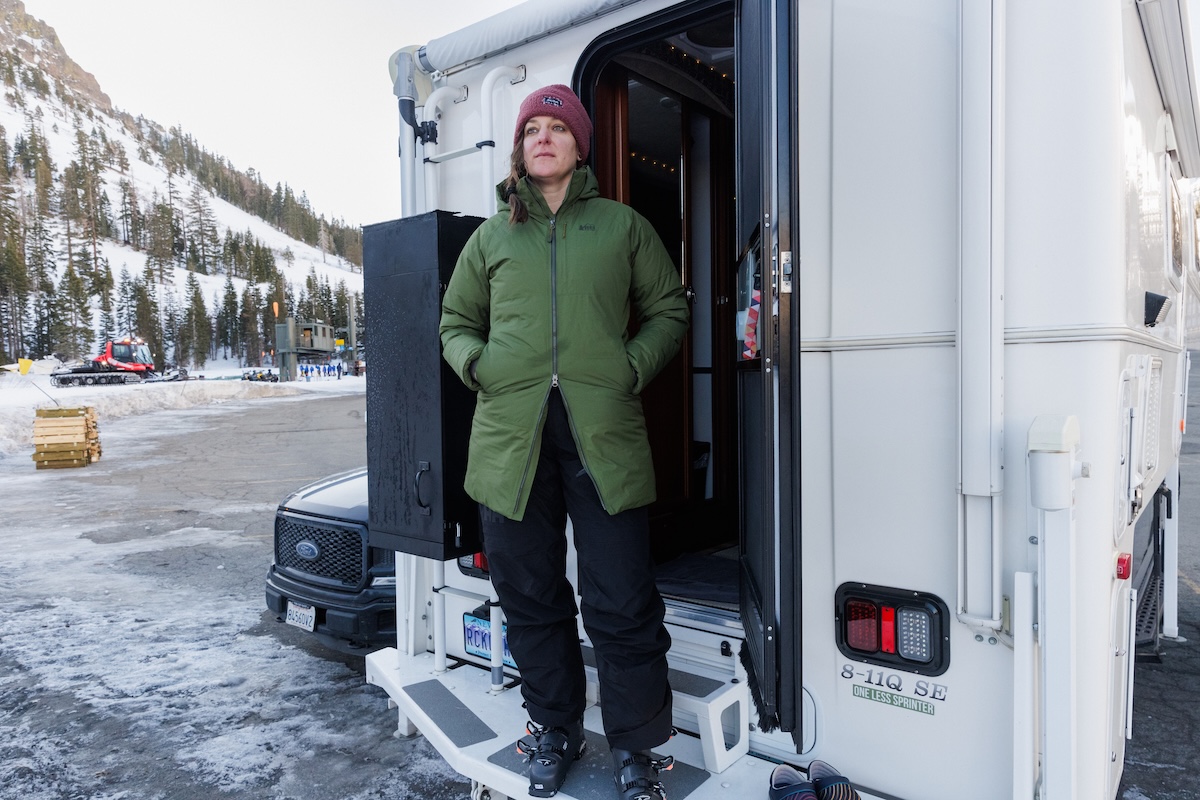
Weight is often an important consideration for apparel, though with a winter jacket, it may not matter unless you need something for performance use. Other things that may affect this decision are the climate you live in and whether or not you will be traveling with your jacket. If you need a technical piece for endeavors like mountaineering or winter camping, look for a jacket with premium down because it will be warmer, lighter, and more packable. A great choice here is the Rab Neutrino Pro, which checks in at 1 pound 3.9 ounces for the men's version and 1 pound 2.3 ounces for the women's. If you simply need something for casual, everyday use, weight will matter much less—if at all. Casual winter jackets and parkas can be upwards of 3 pounds or higher and won't pack down as small due to thicker fabrics and lower-quality down fill.
.jpg)
There is generally a pretty direct correlation between weight and packability, so looking at the weight of any jacket you're interested in should help provide clues about its compressibility. And just as mentioned above with regard to weight, packability is important for performance pieces but won't matter nearly as much for casual use unless you're traveling and have limited space in your luggage. A packable jacket like the Rab Neutrino Pro will be much easier to compress into a checked bag or overhead bin, while something like the Canada Goose Expedition Parka, which weighs over 4 pounds, will be much more difficult to pack into a suitcase and have room left over. If packability matters but you don't need to go super small, a happy medium may be something like the men's Patagonia Silent Down Parka or the Paka Apu Parka, both of which are hip-length.
One last factor to consider, in addition to the type and amount of insulation, is a jacket's outer shell fabric. This factors into weight and packability quite a bit, as performance jackets will use technical fabrics that are thin and light, while casual pieces will have heavier and more durable face fabrics. The added weight and bulk may be worth it if you need something for everyday use that can last for years to come. Light and streamlined down jackets are amazing, but they also require more care to keep in good shape.
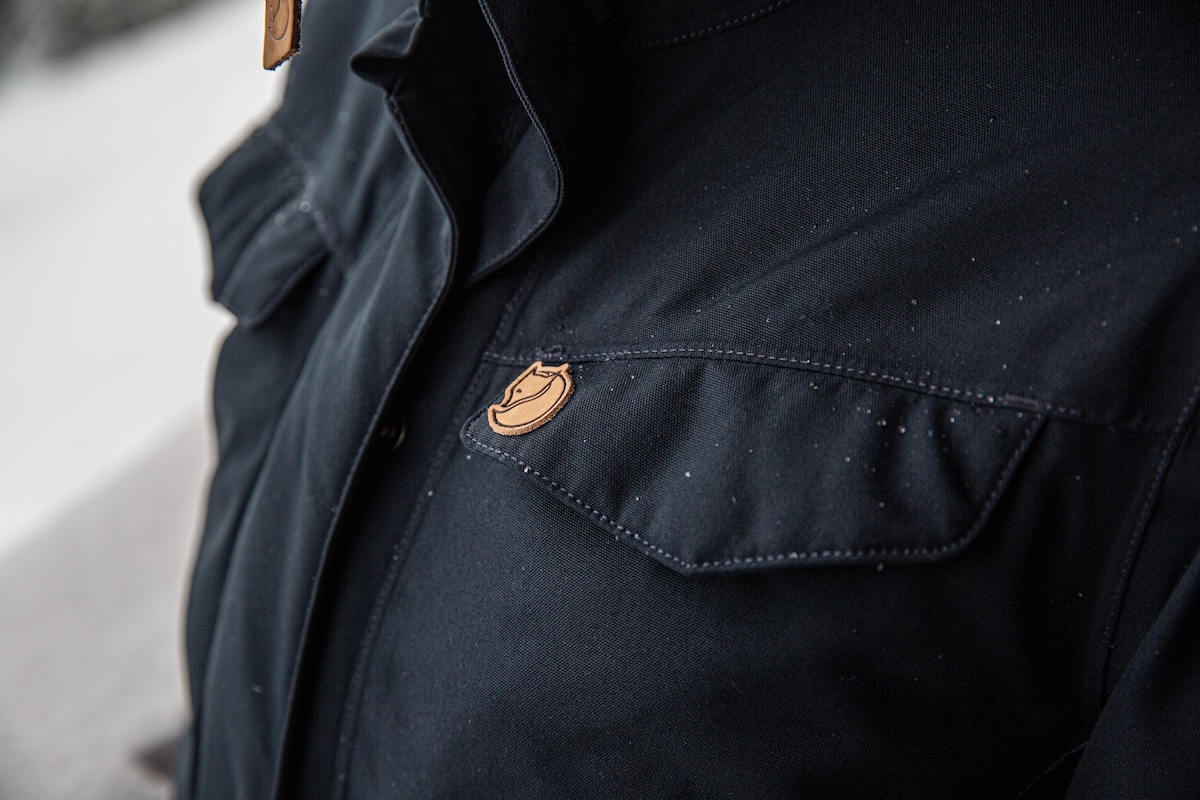
While down is prized for being lofty, warm, and compressible, it loses its ability to insulate if it gets wet. Because of this, the outer shell fabric on down jackets will be treated with some kind of DWR (durable water-repellent) coating to prevent the feathers from getting saturated. As mentioned above, many brands have also started to use synthetic insulation in key areas (such as the hood, shoulders, or arms) to help the garment retain maximum warmth even when there's precipitation. Additionally, many jackets will use hydrophobic down, which means a treatment has been added to the down itself to reduce water absorption and help it dry faster. The combination of these things means you can generally trust your jacket, even if there's wet and heavy snow. Additionally, we're starting to see some new options arise, such as alpaca fiber insulation in the Paka Apu Parka, which can continue to insulate even when wet, much like a synthetic.
In our experience, unless you live in a climate with tons of rain, you likely don't need a fully waterproof jacket. Well-made water-resistant shells will be more than sufficient for cold and snowy conditions, as snow and ice don't soak in and penetrate fabric like rain. Even expedition-focused jackets like the Feathered Friends Khumbu aren't fully waterproof (the shell fabric is highly water-resistant but will succumb to heavy or extended precipitation). However, if you do feel you need something completely waterproof, there are some great options, the Paka Apu Parka and REI Stormhenge 850 Down Hybrid included. If you'd like versatility for a wider range of weather patterns, the Patagonia Tres 3-in-1 is a standout choice, as you can opt to use the outer waterproof shell or just wear the down midlayer on drier and milder days.
.jpg)
Wind can really change the game when you're playing outside. You may be wearing the perfect layers for the current temperature with no wind, but if wind crops up and can penetrate your jacket, misery can set in quickly. When considering wind resistance with a winter jacket or parka, there are a few things to keep in mind: the type and amount of insulation, the material and thickness of the outer shell, and the kind of fabric used for the lining. Of these things, the outer shell is the most important. If you're looking at technical performance jackets, you will likely see names like Gore Infinium or Pertex, which indicate a high level of wind resistance at a low weight. Many casual pieces, on the other hand, block wind via the sheer thickness of the face fabric. Every jacket on our list above will do a decent job of warding off wind, as they are all heavier-weight options built with weather-worthiness in mind. That said, it's important to choose something that fits you well so as to avoid ill-fitting areas where wind and rain might be able to sneak in.
.jpg)
Hood
A hood is understandably essential with a winter coat. It will likely give you the same level of insulation as the body of the jacket, so if you get something with premium down, you can expect excellent warmth for the weight, and if you choose something synthetic (or a hybrid), you'll get improved wet-weather protection. Hoods optimized for cold weather will be able to be adjusted so that they tighten around the head, creating a snug fit so that wind can't easily sneak in, and they won't blow off in a gust. It's common for technical jackets to have a helmet-compatible hood, a necessity if you'll be climbing, skiing/snowboarding, or mountaineering. This means the hood will be larger and less fitted when you're not wearing a helmet, but you will still be able to cinch it down evenly for a good fit.

Another feature that's worth looking out for is a removable hood. While cozy and often necessary, hoods can be bulky and even annoying if they aren't needed, and you might prefer the look of a hoodless jacket for certain settings or uses. It's common with more casual jackets for there to be a zipper located below the collar for easy removal and reattachment (some designs may have buttons or snaps, but this is far less common). Hoods with fur brims also often have the option to remove either the entire hood or just the brim. This attachment system will add weight and bulk, but the extra versatility can be a really nice perk. Examples of jackets above that have a removable hood are the The North Face McMurdo and Fjallraven Nuuk Parka.
.jpg)
Pockets
Pockets can tell you a lot about a jacket's intended use and whether it was built for casual or technical endeavors. Casual winter jackets such as the Fjallraven Nuuk and The North Face McMurdo have large pockets for the hands, which can be accessed either from the sides or the top (under a flap). This provides great versatility and makes it easier to keep your hands warm no matter what other items you're carrying. On the flip side, performance-oriented jackets will typically have two zippered handwarmer pockets and one or two internal or external zippered chest pockets. Hardshells and rain jackets tailored toward more technical outings will often move the hand pockets higher up on the body to allow room for a harness or backpack straps—and some pieces will omit the hand pockets altogether to save weight. Lastly, many jackets (both performance and casual) will have one or two internal dump pockets that are great for storing sunglasses, gloves, climbing skins, and more.

Each year, we thankfully see more and more innovations with outdoor apparel in terms of sustainability. Some measures that have become almost standard are the use of recycled materials, Bluesign-approved textiles, Fair Trade certification, responsibly sourced down, and PFAS-free DWR coatings for water resistance (traditional coatings use perfluorocarbons—"forever chemicals" that have been linked to a range of environmental and health issues). Several states, including Alaska, California, and Maine, have stepped up to ban the sale of products that include PFAS chemicals, which has helped move the apparel industry in a more sustainable direction.
.jpg)
Most brands are doing a great job listing what practices they are committed to, making it easier to shop with your values in mind. Patagonia has been a clear leader in this realm for a while now: Their Tres 3-in-1 Parka, for example, uses 100%-recycled fabrics and down with a DWR finish that's made without intentionally added PFAS (PFAS-free manufacturing is now the industry standard by law, but Patagonia implemented this practice earlier than many). It's also manufactured in a Fair Trade-certified facility, and Patagonia participates in the 1% for the Planet program. Other brands are also taking big steps in this direction, including REI Co-op, Outdoor Research, Paka, Feathered Friends, and more. There's still a long way to go, but we're excited to see and support the progress that's been made thus far.
Back to Our Top Winter Jacket Picks Back to Our Winter Jacket Comparison Tables

_0bc58.jpg?h=fbc67360&itok=y-RAM9m9)


778f.jpg?h=fbc67360&itok=_Anlyovo)
-tfe3e.jpg?h=fbc67360&itok=tQQ0SQx9)
5bff.jpg?h=fbc67360&itok=QQ41aAEU)
76df.jpg?h=fbc67360&itok=ZxkLZwnx)
77b1.jpg?h=fbc67360&itok=WqLUcpaD)