
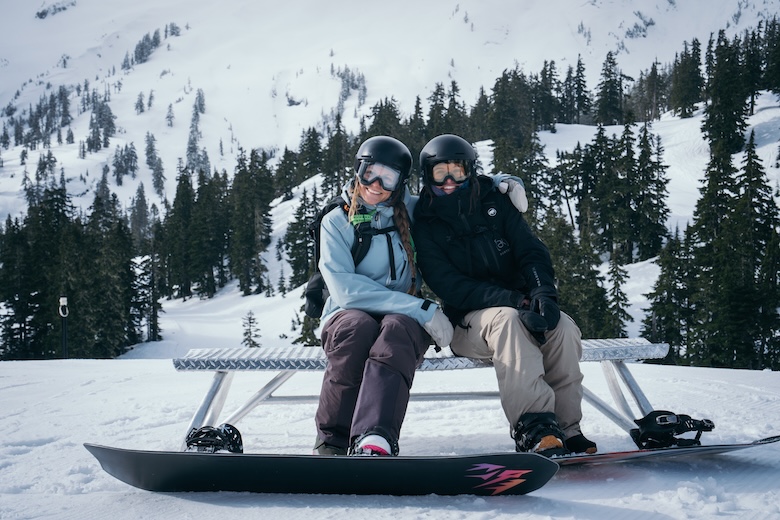
Photo Credit
From the beginning, style has been a key component of snowboarding culture and has largely influenced the sport's apparel as a result. Today, a good number of snowboarders still wear jackets and pants made by legacy brands like Burton, Volcom, 686, and Jones, although mainstream names like Patagonia and Outdoor Research have also entered the space with freeride-inspired offerings. Below, we break down the best snowboard pants and bibs of the 2025 season, ranging from highly protective storm shells to budget-friendly resort designs and models that cross over from the ski world. Our team’s top recommendation for women is the Burton [ak] Summit Gore-Tex 2L for their top-tier weather protection and style. For men, our team loves the Burton [ak] Cyclic Gore-Tex 2L because of its best-in-class weather protection and numerous technical features. For more background information, see our comparison table and buying advice below the picks.
Editor's note: We updated this guide on December 5, 2025, to remove discontinued products, ensure all our picks represent the most current versions, and include more information about our team and testing practices. We also removed several outdated models, added more top recommendations, and introduced a tested and dismissed section.
Category: Shell
Insulation: None
Waterproofing: 2L Recycled Gore-Tex
What we like: Hard-to-beat combination of technical performance, features, and style.
What we don’t: Expensive, and some might not like the more relaxed, baggy fit.
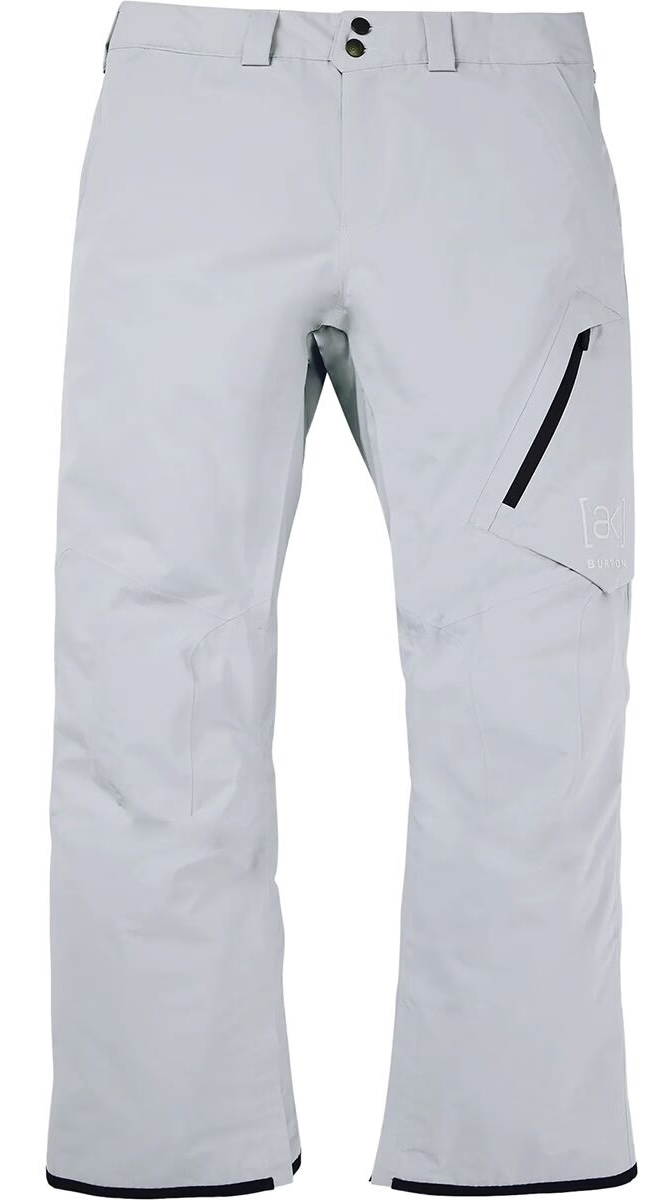
Ever since Jake Burton Carpenter started building boards in his barn in the late 1970s, snowboarding and Burton have been practically synonymous. Now, the brand is a one-stop shop for everything from hardgoods to outerwear and lifestyle clothing, and their premium [ak] collection sets a high bar for technical performance. From this collection, the men’s Cyclic is our favorite all-around riding pant, combining top-notch waterproofing and a well-rounded feature set (including a great assortment of pockets) with Burton’s industry-defining style. For women, the Summit builds off the design of the Cyclic, adding a stretchy face fabric and tricot backer for extra mobility and warmth.
Along with style and features, a snowboard pant’s waterproofing and breathability are what differentiate one design from the next. In this case, the Cyclic uses recycled Gore-Tex (widely regarded as the best in the business) and full seam taping (some pants are only taped at critical seams) for protection. Additionally, a mesh liner and zippered inner thigh vents make breathability about as good as it gets for a 2-layer build. The Cyclic is also Bluesign approved. Spending up for the 3-layer Freebird 3L Bib will get you even better temperature regulation, which is great for splitboarders but perhaps overkill for most resort-goers. Overall, for the majority of snowboarders, the Cyclic hits the sweet spot of quality, performance, and style, earning it our top spot for the season.
See the Men's Burton [ak] Cyclic Gore-Tex 2L

Category: Shell
Insulation: None
Waterproofing: 2L Gore-Tex
What we like: The Goldilocks of snowboard pants, with just-right weather protection, features, and style.
What we don’t: Not as breathable or premium-feeling as a 3-layer pant.
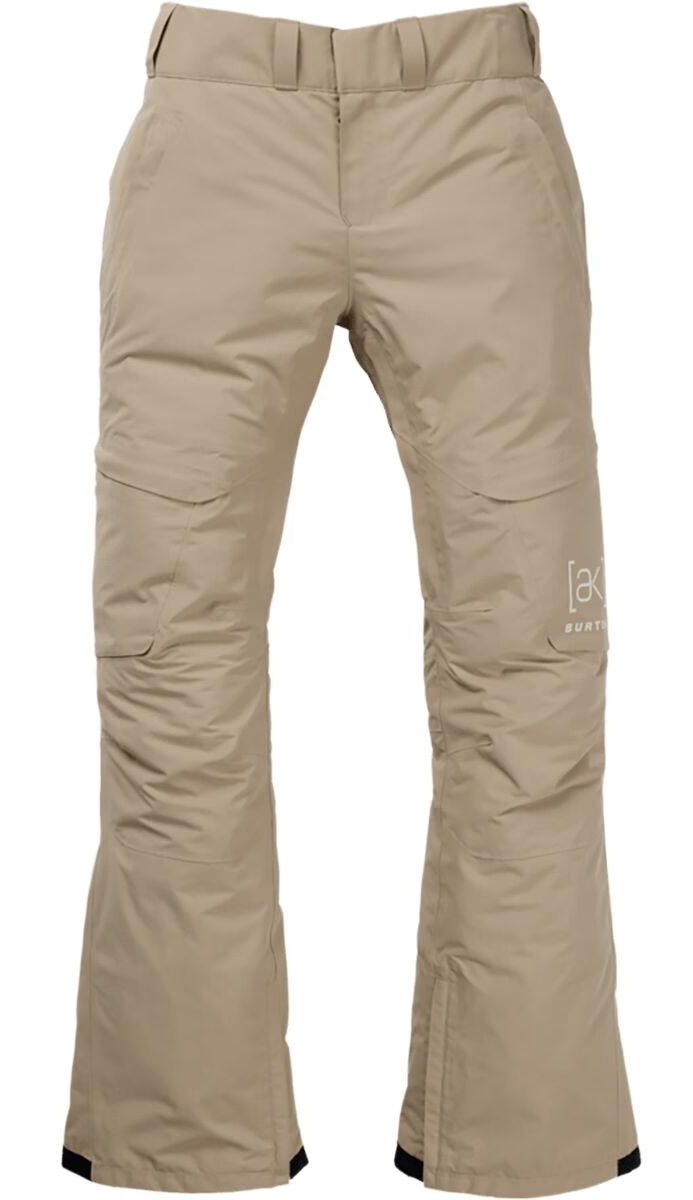
Ever since Jake Burton Carpenter began building boards in his barn in the late 1970s, Burton has been one of the most prominent names in snowboarding. Now, the Vermont-based brand offers everything from hardgoods to apparel, including the premium [ak] Summit Pant here. The Summit deftly balances style and performance, with a freeride-inspired fit and well-sorted feature set, along with stretchy yet durable face fabric and high-end Gore-Tex waterproofing. After a season of thorough testing, they were our clear favorite: The pants survived soggy PNW chairlifts and windy ridgelines, ventilated well for sidecountry hikes, and (importantly) were fun to wear, with an assortment of useful pockets, an adjustable waistband with fleece liner, cuff risers, and a great range of sizes.
Many resort snowboarders will want an insulated pant (good news: Burton also offers the Summit Insulated), but we appreciate having full control over our layering system. In this way, the Summit is truly a Goldilocks snowboard pant: The Gore-Tex shell offers a decent amount of warmth and wind protection, while the mesh-lined inner thigh vents quickly dump heat (without being as vulnerable to flying snow as open or outer vents), and you get more than enough room for layering (the Summit runs a bit large). We did notice a decrease in waterproofing throughout the season, but this is common even amongst premium Gore-Tex designs and can be revived by laundering and reapplying a DWR finish. Finally, although the Summit fared well for sidecountry hikes, we’d opt for a lighter pant for dedicated backcountry touring, and would prefer outer thigh vents for less bulk while hiking. Nevertheless, Burton’s [ak] Summit pants are the full package for resort and sidecountry riders.
Read more: Burton [ak] Summit Gore-Tex 2L review
See the Burton [ak] Summit Gore-Tex 2L
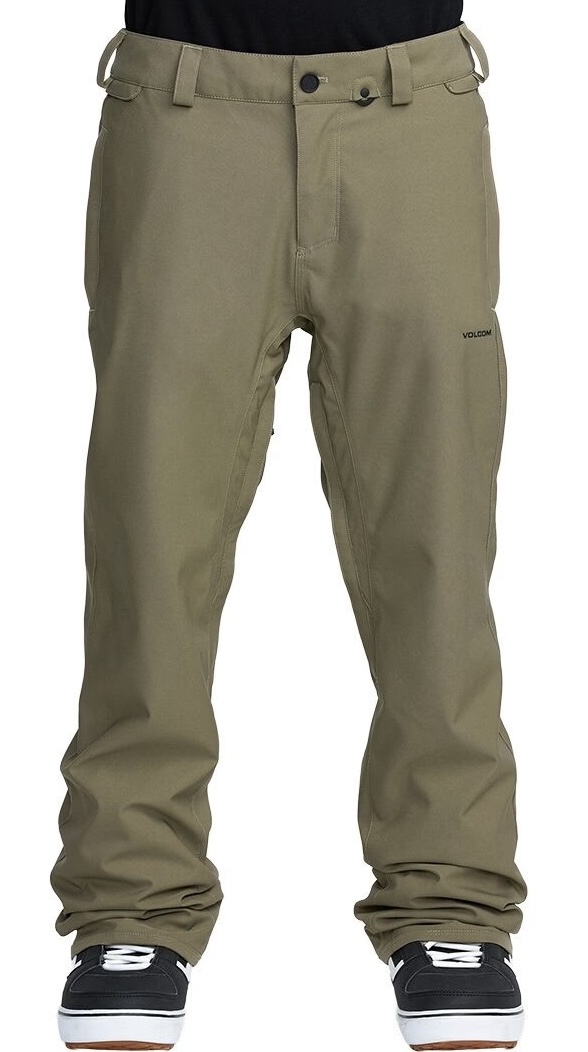
Category: Shell
Insulation: None
Waterproofing: 2L V-Science
What we like: Uncompromised style and a nice assortment of features.
What we don’t: Critical seam taping isn’t great for very wet conditions.
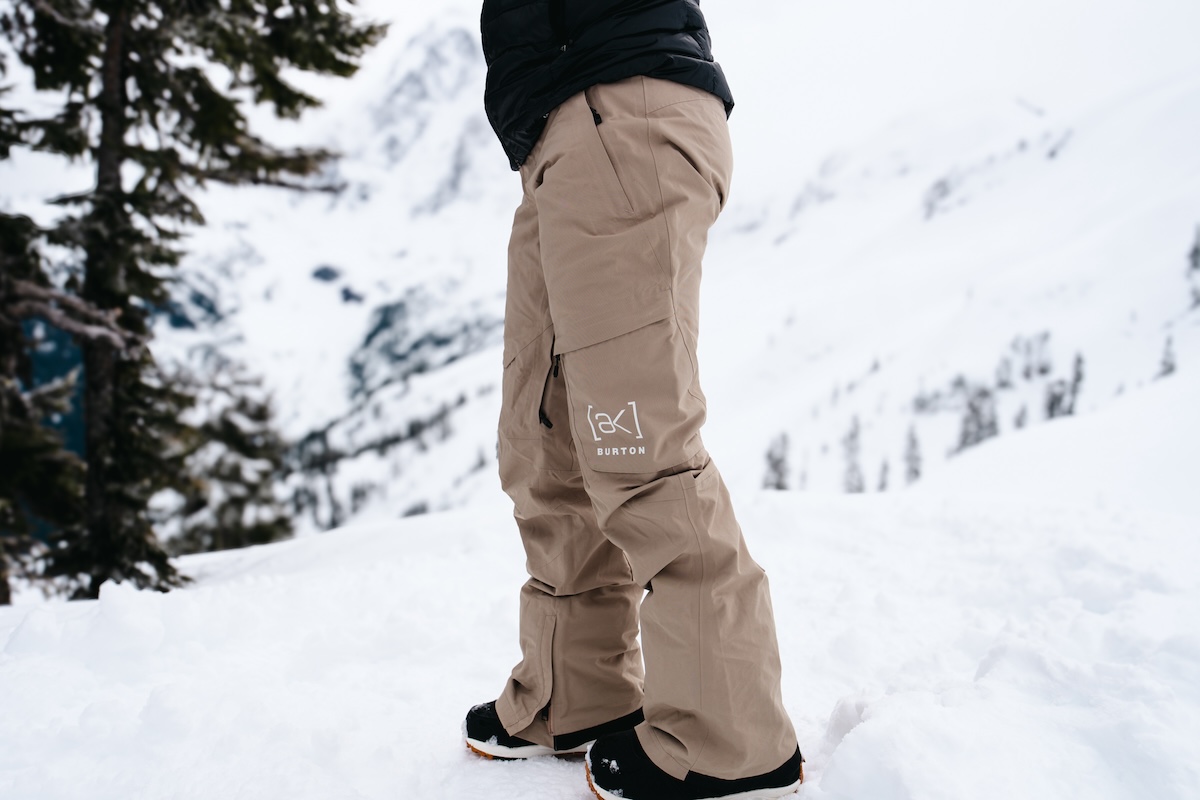
A lot of resort-focused snowboarders opt for a budget pant, and almost every major brand has thrown their hat into the ring with an entry-level offering. Most of these pants keep prices low (around $120 to $200) with trimmed-down feature sets and proprietary waterproof membranes (i.e., not Gore-Tex), but they’re fully serviceable for most inbounds riders. Within this category, the Volcom Freakin Snow Chino is our favorite option for men, with subtle but classy looks, a stretchy twill face fabric for great comfort and mobility, and a 2-layer V-Science membrane that can stand up to most moderate precipitation and wind with ease (for reference, it has a 15K/15K waterproofing/breathability rating).
That said, despite the Freakin Snow Chino’s fully waterproof construction, it’s important to note that the pant (like most budget designs) is taped only at the critical seams. This means that it isn’t particularly well-suited for sustained and heavy snowfall, especially in warm and wet conditions. But the Volcom gets the job done on dry and cold days, and the relaxed fit eliminates extra material while still allowing ample room for layering underneath. Further, you get inner thigh vents, an adjustable waistband, and Volcom’s Zip Tech jacket attachment for keeping snow at bay. There’s no shortage of budget snowboard pants, but the Freakin Snow Chino puts it all together better than most.
See the Volcom Freakin Snow Chino

Category: Insulated
Insulation: Polyester (40g)
Waterproofing: 2L Peak
What we like: Excellent value for a well-rounded resort design.
What we don’t: Not built for particularly wet conditions.
If you’re a casual snowboarder or only get out a few times each season, chances are you can get away with a pair of budget pants. Once prices dip below $200, there are a number of common distinctions from more premium models. First is the use of in-house waterproof membranes, which simply don’t perform as well as heavy hitters like Gore-Tex—both in terms of waterproofing and breathability. Second are cheaper synthetic fills, which, in general, are bulkier and heavier than name-brand varieties. And finally, build quality takes a slight hit: expect a less fine-tuned fit, bulky flaps rather than waterproof zippers, less durable fabrics, and a simpler feature set. All of that said, the REI Powderbound Insulated is a great budget choice, and we give it a gold star for being available in 13 different cuts and sizes.
But for those looking for value above all else, there are some diamonds in the rough. The REI Powderbound Insulated is one such pant: Its 2-layer Peak waterproofing holds up to most winter weather, and a moderate level of insulation (40g) adds a nice layer of protection from frozen chairlifts. You also get a fair share of snowboard-specific features, including boot gaiters and scuff guards, inner thigh vents, and a cargo pocket. Do keep in mind that the Powderbound is only critically seam sealed, which isn’t great for staying dry in sustained and wet snowfall (or on rainy chairlifts). But as a low-cost pant for casual, fair-weather, and occasional snowboarders, it gets the job done better than most. For those who prefer the added coverage of a bib, the Powderbound Insulated Bib is available for $219.
See the Women's REI Powderbound Insulated See the Men's REI Powderbound Insulated
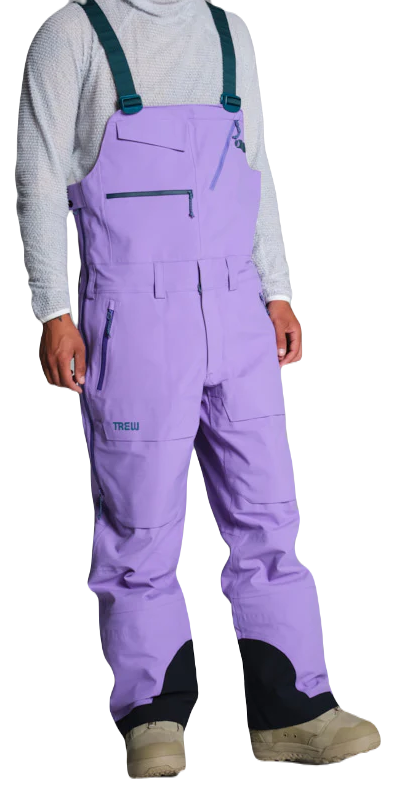 Category: Shell
Insulation: None
Waterproofing: 3L PNW Primo
What we like: Fantastic quality, weather protection, and breathability.
What we don’t: Burly fabric is overkill in mild conditions.
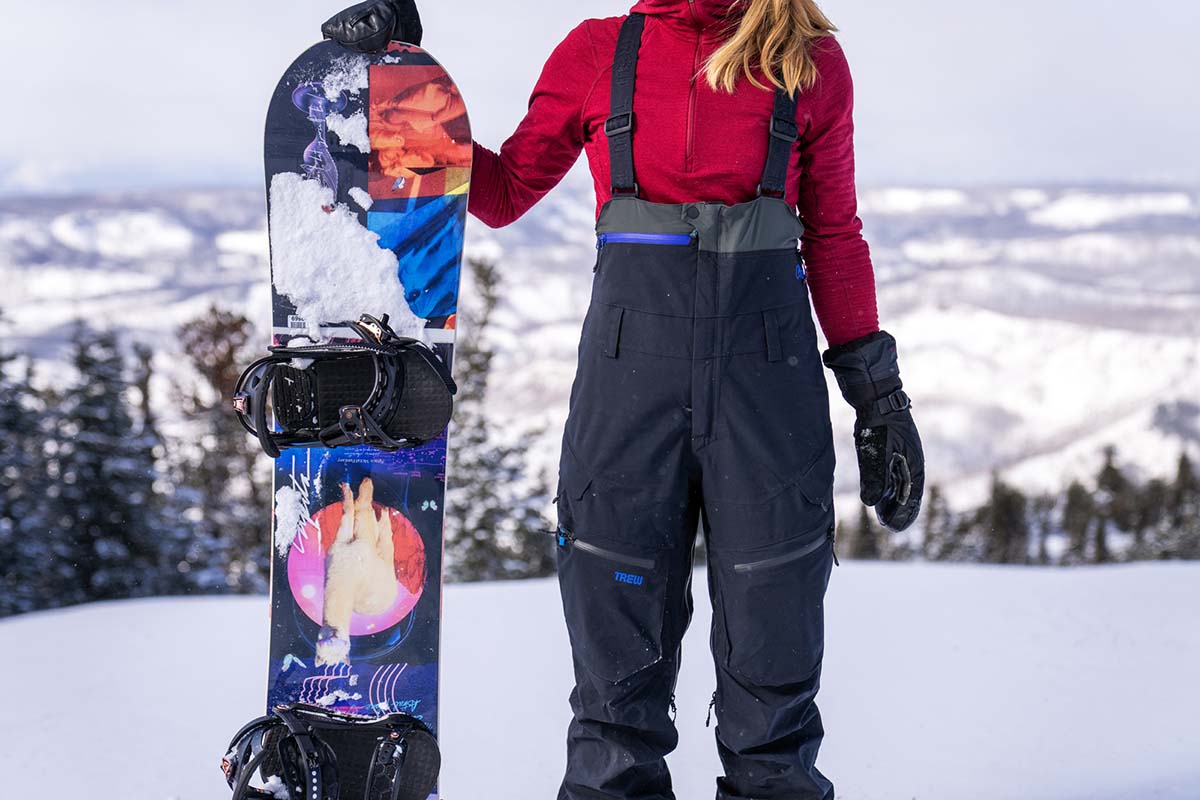
There are several reasons to opt for a bib over pants: not only are they stylish, but they also provide great protection against snow and enough storage for all the essentials. Among the growing range of options, the well-built Trewth Bib Primo (and women’s Chariot Primo) is our top pick of the season. The design features Trew’s proprietary 3-layer PNW Primo construction that's reminiscent of premium Gore-Tex in both look and feel, full seam taping with reinforcements, smooth-operating water-resistant zippers, and bomber coverage that keeps even the wettest snow at bay. Tack on a high-quality fit and finish (including an impressive offering of sizes and lengths), TechSteel cuffs and kick patches, and generous side vents that run from knee to chest, and the Trewth and Chariot Bibs are the full package for both resort and backcountry riders.
Compared to a 2-layer pant like the Cyclic above, the Trewth and Chariot's 3-layer construction eliminates the need for a hanging liner, which minimizes bulk and boosts overall breathability. The chest storage could perhaps be simplified—there are three pockets on the Trewth (just two on the women's Chariot), which is a bit excessive, though we appreciate the 20mm D-ring in the right side pocket for clipping a beacon, and the burly fabric—while great on a storm day—might feel overkill in spring conditions. But minor gripes aside, Trew Gear’s quality is excellent and aligns well with the price tag. For a substantial step down in price, check out Trew’s Jefferson (and women's Astoria) bib, which features a more affordable 2-layer construction.
See the Men's Trew Gear Trewth Bib Primo See the Women's Trew Gear Chariot Bib Primo

Category: Insulated
Insulation: 60g Thermogreen
Waterproofing: 2L H2No Performance Standard
What we like: Cozy warmth, great fit, and nice finishing touches.
What we don’t: Insulated pants lack versatility; not styled specifically for snowboarders.
Not everyone wants or needs insulated snowboard pants, but if you frequent the resort in particularly cold climates like the Northeast or the Rocky Mountains, they’re a nice option to have. Insulated snow pants typically use a thin but warm dose of synthetic fill (unlike down, synthetic continues to keep you warm when wet) that varies in terms of warmth and bulk. Among the myriad options, Patagonia's Powder Town is a standout pick: You get 60-gram Thermogreen fill (a fairly standard amount of insulation), sleek and clean styling that minimizes bulk, and a soft taffeta liner for great next-to-skin comfort (plus, all materials are 100% recycled). Tack on Patagonia’s H2No Performance Standard waterproof membrane, a PFAS-free DWR, and a robust 75-denier face fabric, and the result is a pair of snowboard pants that can handle brutal mountain weather season after season.
Patagonia’s pants are built for both skiers and snowboarders, so you won’t find any snowboard-specific trimmings like cargo pockets or a baggy fit. But all the essentials are still present, including mesh-lined outer thigh vents, gaiters and scuff guards, and a jacket attachment at the waist. It is worth noting that insulated snow pants are a lot less versatile than a standard shell—you can add more warmth by selecting a thicker baselayer, but the built-in insulation means you can’t take warmth away. They also suffer in terms of breathability, as insulation is meant to trap heat. But for riders who desire an extra dose of warmth, the Insulated Powder Town is a great value. For a step up in quality, Patagonia also offers the Storm Shift pant, which features 2-layer Gore-Tex construction and a high-end fleece liner.
Read more: Patagonia Insulated Powder Town review (women's version)
See the Men's Patagonia Insulated Powder Town See the Women's Patagonia Powder Town
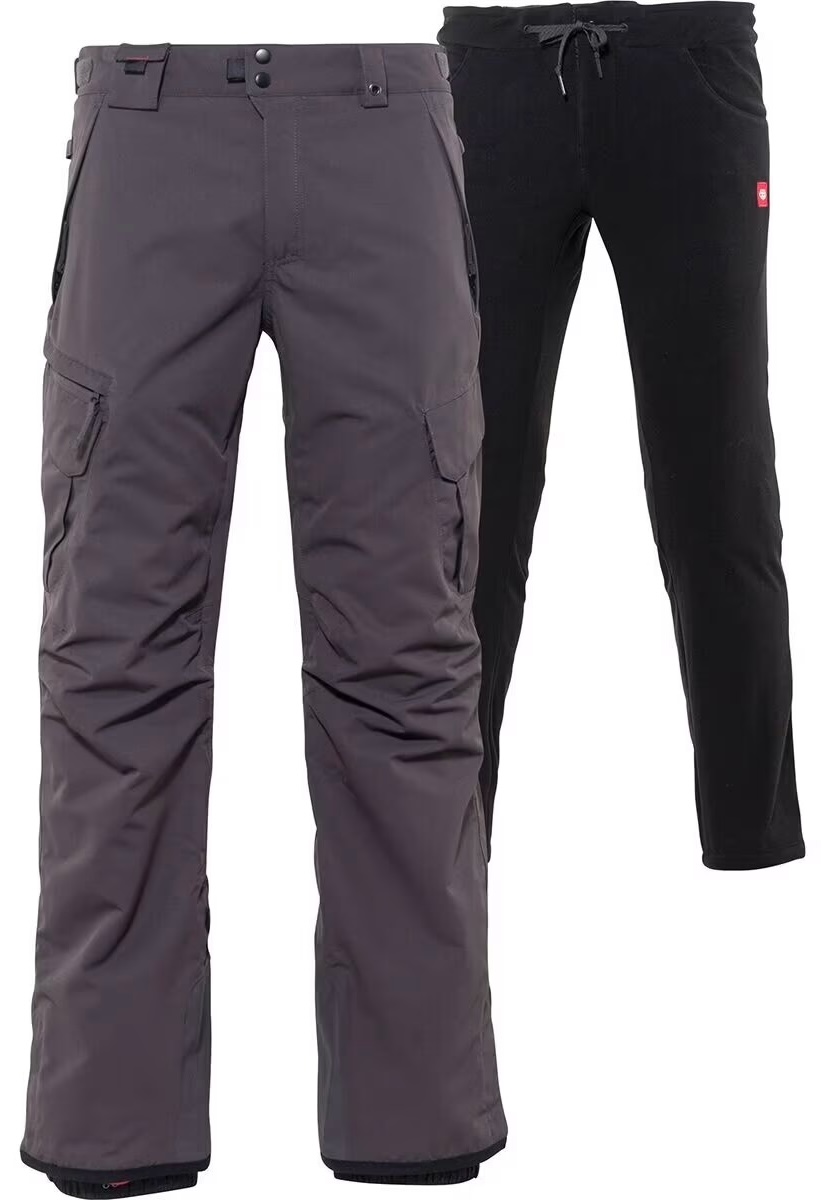
Category: Insulated
Insulation: Fleece
Waterproofing: 2L infiDRY
What we like: 3-in-1 value with a durable, long-lasting shell.
What we don’t: Some prefer to buy base layers separately.
If you’re new to the sport, shopping for someone else, or just don’t want to spend hours learning about and combing through the various layers involved with snowboard outerwear, a 3-in-1 is a no-brainer. On cold, bitter days, you shred with the liner, and on warm spring days, you don’t. The bonus is that the liners can be worn on their own when you’re off the slopes. While we’ve found some triple threats to be lacking in performance or a bit clunky in the style department, 686 nailed it with the Smarty Cargo. The shell features a 2L infiDRY waterproofing that will keep you dry in anything but the wettest snow, and the zip-out midlayer is stylish enough to wear around the condo or even the airport.
The biggest complaint you’ll hear about 3-in-1s is that they're a jack of all trades, but master of none, which is a reasonable take. Purists would rather choose the exact shell they want, pair it with their favorite mid-layer, and have a different set of fleece pants or joggers for the lodge or dinner. But there’s a reason why this particular model has been a staple of snowboard bummery for decades: it’s a great deal on snowboard pants that will keep you warm and dry on cold days, ventilated and cool on hot days, and the midlayer fleece pants are flippin' sweet.
See the Men's 686 Smarty 3-in-1 Cargo See the Women's 686 Smarty 3-in-1 Cargo

Category: Shell
Insulation: None
Waterproofing: 3L Tactic
What we like: A stylish yet high-performance bib with built-in stretch and a great range of fit options.
What we don’t: Stretchy build slightly compromises weather protection; runs quite small.
Flylow Gear holds a special corner of the snow bib market, with a wide variety of offerings that hit the sweet spot between style and performance. The Foxy is their best all-rounder: This bib is versatile and hip, comfortable yet protective thanks to a stretch-infused hardshell fabric (it’s also impressively durable at 100D), and fully featured, with vents on both the inside and outside of the thighs, and no shortage of pockets. We also love that it comes in three different inseam lengths, which really helps to nail the fit (bibs can be particularly finicky). We tested the Foxy throughout a season in the Pacific Northwest and give it our wholehearted endorsement for those looking for a top-of-the-line bib for both resort and backcountry use.
Flylow’s advertising of the Foxy as a softshell bib is somewhat misleading—its 3-layer Tactic fabric is actually a full-on hardshell with built-in stretch and taped seams. It also happens to be our favorite thing about the Foxy: The bibs are extremely comfortable and quiet, and the added mobility is a game-changer for both snowboarding and après. However, stretchy hardshell can’t compete with the waterproofing of a more robust design like the Chariot above, which you might want for wintry chairlift rides or wet days out. But Flylow Gear's most popular bib is nevertheless a comfortable, high-performance, and stylish option for resort riders, casual backcountry-goers, and those who double dip. Fit-wise, the bib runs small—you’ll likely want to size up (if the limited size chart goes large enough for you), especially if you’re going for a laid-back, freeride style.
Read more: Flylow Gear Foxy Bib review
See the Women's Flylow Foxy Bib
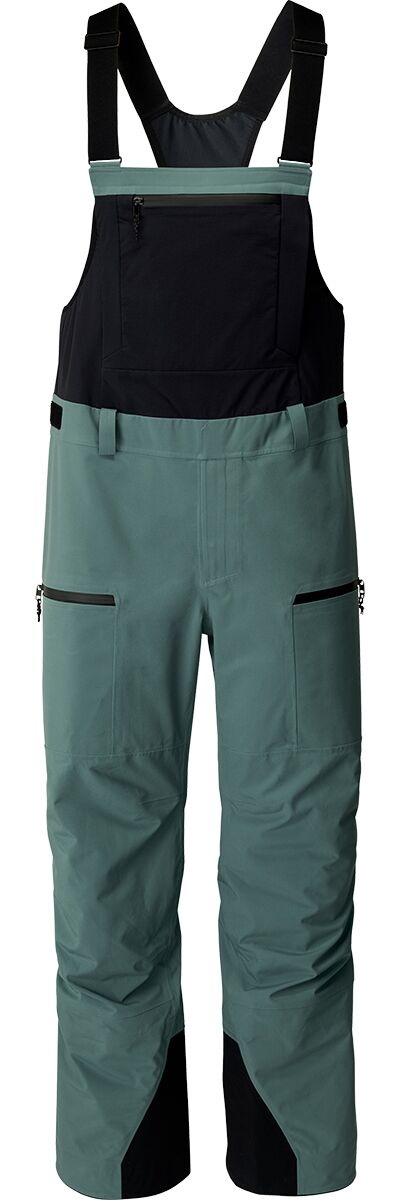
Category: Shell
Insulation: None
Waterproofing: 3L polyester
What we like: A versatile bib from a core snowboard brand.
What we don’t: Sub-par protection and durability for serious use; sizing can be tricky; no women's version.
Built from the ground up by legendary freerider Jeremy Jones, Jones Snowboards makes some of the best boards in the business. The Truckee, Calif.-based brand expanded its lineup to include outerwear fairly recently, and the Shralpinist Stretch Recycled here is their versatile bib offering for both resort and backcountry riding. We wore the Shralpinist Stretch kit all of last winter, logging countless days in everything from mid-winter squalls to fog, light rain, and bluebird conditions. And the bib delivered: The combination of stretch polyester below the belt and a stretch-woven softshell upper provides great mobility and comfort for active riders, and it walks that fine line between protection and breathability for days that include both lift riding and sidecountry slogs.
Jones lightly updated the Shralpinist in 2024, swapping out 40-denier polyester for thicker 70-denier. This was a big improvement over the outgoing version, which absorbed water more quickly than our friends’ Gore-Tex bottoms and was noticeably permeable to wind (we had to swap in a warmer baselayer on particularly cold days). Despite the upgrade, we still recommend stepping up to a Gore-Tex design for heavy use and particularly wet conditions. But for mostly dry climates or those who dip in and out of bounds, we really like the Stretch’s breathability measures, and all the additional features we look for are present, including outer thigh vents, adjustable shoulder straps, and a practical pocket layout. A note on sizing: Our 6-foot-tall tester maxed out the size medium, but the large was too baggy; we hope Jones adds more inseam lengths (or greater adjustability) in future iterations.
See the Men's Jones Shralpinist Stretch Bib

Category: Shell
Insulation: None (light flannel backer)
Waterproofing: 3L Gore-Tex
What we like: Bomber 3-layer build that excels both at the resort and in the backcountry.
What we don’t: Expensive, runs small, and the tighter, athletic fit won't be for everyone.
Based in British Columbia’s Coast Mountains, Arc’teryx is no stranger to bad weather. Combine that with a truly impressive dedication to sweating the small details, and the brand consistently delivers premium, top-performing outerwear. Their go-to pant for both resort and backcountry riders is the Sabre (and women's Sentinel), which features a bomber yet lightweight 80-denier, 3-layer Gore-Tex waterproofing. This translates to exceptional protection and improved breathability compared to the 2-layer designs that dominate the market. In addition, you get a brushed liner for extra warmth and next-to-skin comfort, as well as generous side zips to dump heat on the skin track.
The elephant in the room is cost: Most resort-goers don’t want to spend $600 on a pair of pants, nor do they need to (2-layer construction is perfectly serviceable for in-bounds riding). Second, the Sabre and Sentinel aren't specifically designed for snowboarders, resulting in a more technical style that lacks features such as cargo pockets and extra butt protection. Lastly, the fit of these won't be for everyone: The bottom half is fairly roomy, but the upper half has an oddly slender, athletic fit that can hinder movement for some body shapes. It would be wise to consider sizing up or checking out the relaxed fit version (unfortunately, only available for men). All nitpicks aside, this is one of the best snow pants money can buy and is a great choice for those who split their time between the backcountry and the resort. If the Sabre or Sentinel works for you, they’re a winning design year after year (and there's even a bomber bib version, too, which is thankfully also available for women).
Read more: Arc'teryx Sabre Pant review (prior version)
See the Men's Arc'teryx Sabre Pant See the Women's Arc'teryx Sentinel Pant
Over the years, we have tested a lot of snowsports outerwear. From pants to bibs and from warm springtime park laps to subzero backcountry snow camping, we’ve spent thousands of hours playing in the snow. In that time, we’ve admittedly become rather picky. The purpose of our list of top recommendations is to highlight the pants and bibs that are either the absolute best of the best, offer a great price-to-performance ratio, or have a specific use. Rather than completely omitting the products that didn’t make our highlight list, we’ve listed them here with a quick explanation of why we’ve chosen to dismiss them.
The North Face Freedom Insulated are a great pair of pants that are also available in bibs. However, of all the pants that we’ve shredded in we found the Freedom’s to be the least friendly for snowboard movements. They are affordable, but we’ve tested several pairs that cost less and are not restrictive.
The Women's 686 Geode Thermagraph pants are incredibly warm and have a great feature set, but our team found that the waterproofing doesn’t hold up in particularly wet conditions.
Flylow makes some rad gear, and we have always been impressed with the quality and style, but the surface membrane of the Chemical Pant isn’t quite as premium as Gore-Tex.
A true classic, chances are you have seen the Volcom L Gore-Tex on the slopes at some point. But classic and high performance aren’t always synonymous—the single button closure has a tendency to come undone, the white mesh lining on the thigh vents is reminiscent of cheap gym shorts, and you don’t get the option for a short or tall inseam.
Finally, while we appreciate that the 686 Gore-Tex Dispatch Bibs are designed specifically for snowboarders, the thick shell and hanging liner make them feel bulky. The waist is also a bit tight and not very conducive to thicker midlayers or hoodies under the bibs.

| Pant | Price | Category | Insulation | Waterproofing | Seams |
|---|---|---|---|---|---|
| Men's Burton Cyclic GTX 2L | $440 | Shell | None | 2L Gore-Tex | Fully Taped |
| Women's Burton Summit GTX 2L | $440 | Shell | None | 2L Gore-Tex | Fully Taped |
| Men's Volcom Freakin Snow Chino | $180 | Shell | None | 2L V-Science | Critically Taped |
| Men's REI Powderbound Pants Women's REI Powderbound Pants | $159 | Insulated | 2L Peak | 2L Peak | Critically Taped |
| Men's Trew Gear Trewth Bib Women's Trew Gear Chariot Bib | $599 | Shell | None | 3L PNW Primo | Fully Taped |
| Men's Patagonia Powder Town Women's Patagonia Powder Town | $269 | Insulated | 60g Thermogreen | 2L H2No | Fully Taped |
| Men's 686 Smarty 3-in-1 Cargo Women's 686 Smarty 3-in-1 Cargo | $240 | Insulated | Removable fleece | 2L infiDRY 10K | Fully taped |
| Women's Flylow Foxy Bib | $440 | Shell | None | 3L Tactic | Fully taped |
| Men's Jones Shralpinist Stretch | $475 | Shell | None | 3L polyester | Fully Taped |
| Men's Arc’teryx Sabre Pant Women's Arc'teryx Sentinel Pant | $600 | Shell | None | 3L Gore-Tex | Fully Taped |
The Switchback Travel team loves storms and snow, especially deep riding conditions. Whether that means getting after it at the resort or touring in the backcountry, having pants and bibs you can trust is part of creating a great experience. Former senior editor Jenny Abegg worked on this guide since its inception in 2021, starting with a handful of carefully considered picks. Jenny calls northern Washington home and can be found chasing snowy peaks and trails for as long as the weather allows. In 2025, snowsports editor Ross Patton jumped into the mix. Having grown up in the snow and with decades of experience in the industry, he’s got the knowledge and experience to truly put snow gear to the test. Ross calls Ogden, Utah, home, where the chairlifts are 30 minutes from his front door, and he can spot splitboard lines out his office window. Collectively, our dedicated team brings an impressive number of decades of experience to the table. No matter what your objective is, our picks above and advice below will help you find the best way to stay warm, dry, and comfortable while shredding the slopes.
Our lineup includes our recommendations for snowboard pants chosen based on hundreds of hours of research, hands-on testing, and feedback from our readers and community. Testing these pants involves assessing the details of materials and insulation, noting all aspects of fit and layering ability, and scrutinizing overall durability, weight, size, and packability where appropriate. We also consider any helpful features, sustainable innovations, and what key features might be different between the men's and women's versions (if both are offered). As we continue testing into the season, be sure to check back as we update the list above to showcase the best performers.
Shell
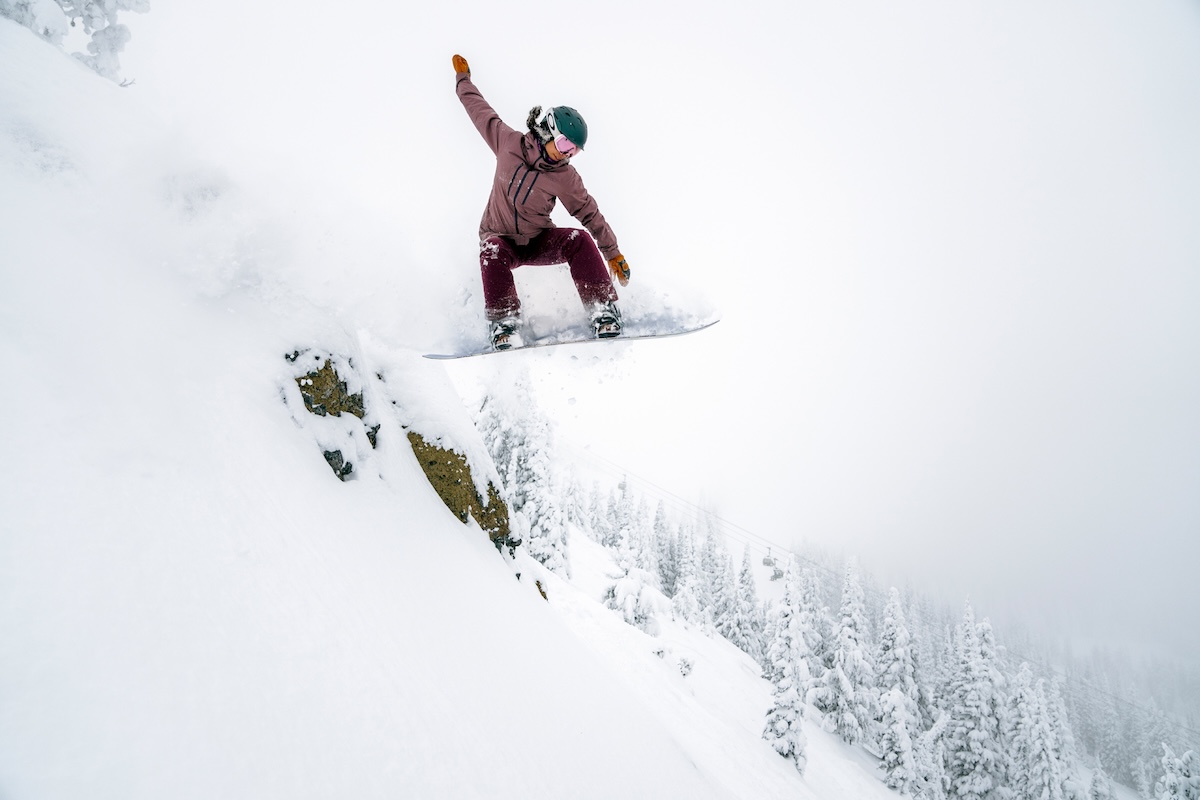
Snowboard pants can be divided into two general categories: shell and insulated. Shell pants are the most versatile option for most riders, featuring a simple 2- or 3-layer hardshell exterior (more on this below). Their lack of insulation means you can fine-tune your layers underneath based on conditions: Go with a light baselayer for spring days or throw on a thick fleece pant to stay warm in cold temperatures. Shells are also the most breathable option, particularly those of the premium 3-layer variety. Shell pants are a great option for most days on the slopes, but especially in mild conditions (such as those found in the PNW) or for those who tend to run warm. Top shells from our list include Burton’s [ak] Cyclic and [ak] Summit 2L, the Trew Gear Trewth Bib, and Volcom’s L Gore-Tex.
.jpg)
Insulated
Given the stop-and-start nature of snowboarding—sitting on the lift, strapping in and out of bindings, and hanging out in the park—some resort riders will consider pants with some form of insulation. The vast majority of insulated pants use synthetic fill due to its affordability and ability to keep you warm even when wet (unlike goose or duck down, which clumps up). Warmth varies between models, and the picks above range from 40-gram to 60-gram fill weights. Finding your sweet spot will depend on the conditions you get out in, your riding style (aggressive or casual), and if you’re prone to running hot or cold. We highly recommend erring on the side of under-insulating, as it’s far easier to add layers underneath than deal with roasting in a too-warm pant.
While we love the security and comfort of slipping on an insulated pant in cold weather, there’s no denying that it comes at the tradeoff of breathability and versatility. The built-in insulation means the pants will grow swampy in a hurry, and you can only release so much heat with thigh vents. But if you run cold or ride in consistently frigid temperatures, a good case can be made for an insulated model. Some of our favorites include Patagonia’s Insulated Powder Town and The North Face’s Freedom Insulated. Finally, 3-in-1 designs like the 686 Smarty toe the line between shell and insulated pants, giving you the option for both configurations in addition to a standalone midlayer.
.jpg)
When researching snowboard pants, you’ll consistently find two numbers being heavily marketed: a waterproof rating (usually listed in millimeters) and a breathability rating (provided in grams). For waterproofing, many manufacturers use what’s commonly referred to as a static-column test: A piece of the pant’s shell fabric is set below a 1-inch-diameter tube, which is then filled with water until the fabric begins to leak. The height of the water at that point of failure is its rating. The breathability test is more complex and less standardized, but it's designed to measure the amount of water vapor that travels from the inside to the outside of the fabric over a 24-hour period.
What should be immediately clear from both of these tests is that they don’t perfectly simulate winter conditions, and we don’t recommend relying on them too heavily when selecting a pant. In particular, don't focus too much on the breathability rating: There isn’t an established procedure to compare products, and the test is conducted in a controlled lab environment (in other words, not out in the snow). There is some value in the static-column rating—a higher number typically leads to better waterproofing—but numerous other factors also come into play, including the quality of the membrane, DWR coating, fabric denier, and seam taping. We provide more details on waterproofing and breathability in the sections below.

Construction
Waterproof ratings can be the first clue towards discerning the level of protection a pant will provide, but it’s important to dig a bit deeper into the specs. The first thing we look for is the quality of the waterproof construction, and in terms of protection and longevity, it’s hard to beat Gore-Tex. In both their mid-range 2-layer and lighter and more breathable 3-layer varieties, we’ve found Gore-Tex to be reliably wind and waterproof even in harsh and wet conditions. To save money, many manufacturers utilize in-house designs, and proven options here include Patagonia’s H2No and Outdoor Research’s AscentShell. Stepping down to budget-oriented models in the $100 to $200 price range gets you a noticeable drop in quality. These pants will provide sufficient protection in moderate and dry conditions, but the lower-end builds aren’t as long-lasting or reliable on particularly gnarly days.

Durable Water Repellent (DWR) Finish
Another key component of a snowboard pant's wet-weather protection is its durable water repellent coating (DWR for short). This finish is added to the exterior fabric to keep the nylon or polyester material from absorbing moisture, which helps keep the waterproof membrane functioning properly—if too much water gets through the outer fabric, the membrane can get overwhelmed, which causes issues with breathability and even leakage. A properly functioning DWR is easy to spot: Snow and water will mostly stay on the surface of your pants and be easy to shake or brush off with your gloves. The DWR used in higher-end designs is most often higher-quality and longer-lasting, while you might find yourself needing to refresh the finish of a pant like the budget REI Co-op Powderbound Insulated more often (regularly applying a product like Nikwax TX.Direct will do the trick).
Seam Taping
Assembling a pant requires connecting multiple pieces of fabric, which leaves potential vulnerabilities for moisture to seep through. By applying tape to the interior lining and seams, companies can provide an effective and mostly watertight seal. Pants in the mid and high end of the market often boast full seam taping, while budget-oriented models like the Volcom Freakin Snow Chino only protect the “critical” seams (areas most prone to moisture, such as the rear). Finally, the quality of the taping can vary—Gore-Tex taping has a long lifespan, while cheaper varieties can peel back or even partially disintegrate over time.

For most lift-assisted snowboarding, breathability is not a top consideration. As long as you’re not overdoing it with insulation and sticking to groomers or shorter runs in the trees, most pants are breathable enough to keep you comfortable. To help, each of the models above features at least two vents (one on each leg), which can be helpful for dumping heat on warmer days.
But for active riders or those who like to hike into the sidecountry, breathability jumps up the priority list. From the picks above, the best ventilators are non-insulated and feature premium 3-layer constructions, which keep air flowing a lot better than 2-layer designs (more on this below). Manufacturers will even take it a step further for backcountry use: For example, the Patagonia SnowDrifter (not included in this list) uses a stretchy 3-layer fabric almost akin to a softshell, and the Flylow Foxy Bibs feature a membrane that's specifically built for air permeability. And then there are designs like the Jones Shralpinist Stretch Recycled Bibs, which use ultra-breathable softshell material on the bib where weather protection matters less. In the end, there’s no shortage of options for snowboarders who need a breathable pant—but expect the price to go up alongside performance.

You’ll see a lot of references to 2-layer and 3-layer constructions above, and the distinction is an important one. Most snowboard pants feature a 2-layer build, which consists of the shell fabric and a waterproof/breathable membrane. Importantly, manufacturers will then add a hanging mesh or taffeta liner in order to protect the membrane from your skin. In a 3-layer build, this liner is streamlined and affixed to the inside of the waterproof/breathable membrane—hence the third layer. The end result is that 2-layer designs are inherently bulkier and don’t dump heat quite as well, while 3-layer pants are typically more unencumbered, lighter-weight, and more breathable.
.jpg)
But despite the clear advantages of a 3-layer pant, 2-layer designs are fully serviceable for most recreational riders and comprise the majority of our list above. In short, the added performance of a more premium pant will be overkill in most resort applications and simply isn’t worth the jump in price. However, if you’re a serious rider, get out a lot, or dip into the backcountry from time to time, consider bumping up to a 3-layer pant.
Snowboard pants are a durable bunch, relying on substantial face fabrics to fend off harsh weather and rough use around chairlifts, park features, and sharp gear. However, not all snowboard apparel brands provide a fabric denier spec (a measurement of density and thickness), so it can be hard to compare models without seeing them in person. That said, designs fall into fairly predictable categories: Entry-level and mid-range pants are often quite tear-resistant and tough, using thick materials to provide a boost in weatherproofing. Moving up, we see higher-end materials that are lighter but still durable, such as the Burton Cyclic’s 70-denier build. Backcountry-focused pants sacrifice a little durability for less weight and improved range of motion and breathability, but we’ve found even models like the Patagonia SnowDrifter (50D) are reliably tough.
.jpg)
Closely tied to durability is weight: A thicker and very tough snowboard pant will logically weigh more. In addition, weight correlates with the categories we’ve listed above: shells are the thinnest and lightest, while insulated models will feel much heavier. Further, 2-layer designs often weigh more than 3-layer designs due to the added heft of the hanging liner. For most resort uses, weight is only a small consideration. While it’s nice to reduce bulk, many resort riders are perfectly content with a moderately heavy design. However, if you plan to hit the backcountry or spend a significant amount of time off-trail, a lighter shell pant will provide a notable boost in mobility and overall comfort.
.jpg)
Pockets
Pockets are a significant style component of many snowboarding designs, which often include a range of rear, cargo, thigh, and handwarmer storage. Despite the myriad options, we recommend against packing these pockets full, as filling them with larger items can feel ungainly and restrict movement. Pants that have crossover appeal between snowboarding and skiing typically boast simplified layouts, but they'll often include at least a few zippered pockets for stashing personal items and snacks. Finally, backcountry-specific models put a greater emphasis on quality and functionality over quantity, with dedicated storage for items like an avalanche beacon and extras like a map or GPS device.
.jpg)
Ventilation
To aid in breathability, the vast majority of snowboard pants use a zippered ventilation system (essentially pit zips for your legs). The most common locations for the zippered panels are along the inside or outside of your thighs. We’ve found that outer-thigh vents do a better job dumping heat, while those on the inner thigh add unwanted bulk and can occasionally impact comfort (on the bright side, they are less conspicuous). Finally, some designs have vents on both sides of the legs, which provides excellent cross ventilation.
.jpg)
Jacket-to-Pant Attachment Systems
Let’s face it: wipeouts happen, regardless of your skill level. And if you’ve had the pleasure of experiencing a tumble on the slopes, you know that snow is adept at finding its way into the crevices of your jacket or pants. To help prevent this, some manufacturers place a button or loop on the jacket’s powder skirt to connect it to a corresponding attachment on the pants, forming a solid seal from the wet and cold. In the case of Volcom’s Zip Tech (as seen on the Freakin Snow Chino and L Gore-Tex pants), you get a full wraparound zip. Being able to attach your jacket to your pants is certainly not a required feature for either resort or backcountry use, but it's a nice addition for many. It’s worth noting that in nearly all cases, you’ll need to purchase a jacket from the same brand for the system to work and integrate properly.
Cuff Reinforcements and Risers
It’s no secret that most snowboarders like to wear their pants low, which can often result in torn cuffs from sharp edges over time. To remedy the issue, manufacturers reinforce the cuffs—often through the use of thicker fabrics or even silicone—and sometimes even provide a way for you to raise the cuffs to keep them from dragging through the parking lot or lodge. This is often done via a cinch near the ankle or extending up the backside of the leg. If you like the look of baggy pants but want to minimize holes at the hem, it’s a good idea to look for one or both of these features.

Another “either-or” decision when choosing snowboard pants is whether to opt for regular pants or a bib. Pants are the traditional choice and what most folks are familiar with and comfortable in. They’re completely capable of all forms of riding and are much easier to slip on and off. The primary downside is felt when cold air or moisture finds its way up your back on the chairlift or after taking a fall.
Bibs are the remedy for these maladies as they offer better protection from the snow, wind, and wet. They also run a little warmer thanks to the extra layering that covers part of your upper body, which can be both a pro and a con. While you don’t have to worry about any discomfort from a waistband, the straps that run over your shoulders can take some getting used to, and you’ll need to dial in the fit to keep a bib from moving around excessively or pulling the pant legs up too high (we appreciate bibs that come short, regular, and tall inseams for this reason).
.jpg)
Snowboard pants are known for having fairly large and baggy fits—and this holds true for a lot of the market—although there are a growing number of designs with trimmer cuts that reduce bulk. Most park rats prefer extra space to maximize range of motion and limit pinch points (and style undeniably plays a role), while riders that seek out sidecountry lines typically like a streamlined, sleeker shape (often referred to as a “standard” or “regular” fit). When choosing a pant, it’s important to also think through the thickness of your layers underneath to avoid any binding and comfort-related problems.
.jpg)
The layers you wear under your snowboard pants don’t get as much attention as those warming your core, but they nevertheless remain an important consideration.
Baselayers
To start, it’s almost always a good idea to throw on at least a thin pair of long underwear. The extra layer not only provides insulation and protection from cold snow and freezing chairlift seats, but it also wicks moisture away from your skin. Further, the interiors of snowboard pants (especially uninsulated designs) are often not very plush, with exposed mesh, zippers, and minimalist liners that become less comfortable as the day wears on. In choosing a baselayer, it’s worth getting a soft and close-fitting design to maximize warmth. The best models are made with either synthetic or merino wool—cotton doesn’t insulate when wet, so it’s a bad idea even on a resort day. Synthetics are the cheaper option and efficiently wick moisture, but merino wool is our favorite. It’s very warm for its weight, cozy and soft, and naturally resists odor better than a polyester alternative. Baselayers are offered in a range of thicknesses, including lightweight designs for warm days or backcountry use.
Midlayers
In particularly frigid conditions, you’re going to want to add more clothing to the ‘fit. Midlayers are thicker and looser than baselayers, but they also come in all types of materials, ranging from synthetic blends to fleece to merino wool. The rule for material is: no cotton. Cotton is comfortable, but it absorbs moisture, which then freezes, and if that happens, you’re risking hypothermia like a hippopotamus in Hokkaido. Midlayers also come in a variety of styles—some are cozy and fuzzy, others are more like joggers, and there are ¾ length mids that won’t get bunched up in your boots. But whatever you do, leave your old pair of sweatpants at home.
The outdoor apparel world has seen a sizable uptick in the use of sustainable practices in recent years, and snowboard jackets are no exception. Two key measures include recycled materials and PFAS-free DWR coatings (traditional coatings use per- or polyfluorinated chemicals—"forever chemicals" known to be harmful to the environment). With many states stepping up to ban the sale of items that include PFAS, the outdoor industry is seeking better solutions for water- and stain-resistant finishes (for more, you can read about Patagonia’s take on the issue). Bluesign-approved fabrics are also becoming more common, indicating that materials have been sourced and produced in ways that mitigate harmful impacts on the environment. Finally, many companies tack on a Fair Trade certification, which helps ensure the fair and ethical treatment of workers.
The good news is that most sustainability-conscious brands are transparent about these practices and clearly indicate which (if any) measures each product uses. Patagonia is an irrefutable leader in this realm: Their Powder Town Pants, for example, are Fair Trade Certified and use 100%-recycled and PFAS-free Gore-Tex ePE, as well as a partially recycled lining and PFAS-free DWR finish. Several other brands are making similar progress, including Burton, Jones, and more. There’s still a long way to go in the industry, but the current trajectory and momentum from many of the key players is encouraging. And, of course, a final way to shop sustainably is to purchase quality products that will last and repair old gear rather than buy cheap items that will need to be replaced in a season or two.
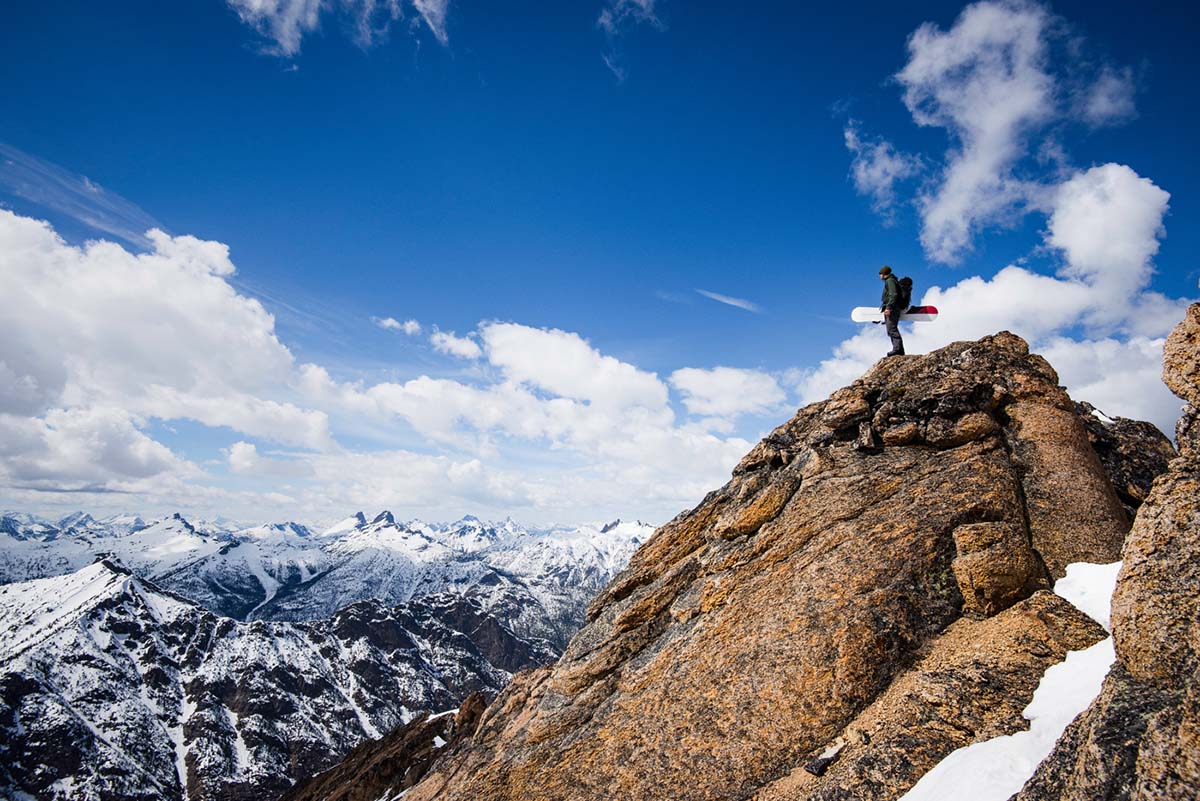
Given the similarities between the two sports, it’s not surprising that many ski pants and ski bibs are perfectly capable for snowboarding (and vice versa). In fact, you’ll see a lot of crossover in products when searching on a manufacturer or retailer site, and brands like Patagonia and Outdoor Research specifically state their pants are intended for both activities.
That said, snowboarding pants do differ slightly in terms of fit and features: In general, snowboarders prefer a looser cut with more pockets and style components. It’s also common to see boot gaiters (short zippers at the hem to create a flare around the boot) rather than scuff guards due to the nature of a snowboarder’s feet being separated on the board. Further, some pants feature a system that pulls the cuff up so it doesn’t drag when walking through the parking lot or the lodge. But in most cases, these are largely cosmetic differences with little impact on overall performance, and you’ll ultimately want to choose the style that appeals to you most.
Back to Our Snowboard Pant Picks Back to Our Snowboard Pant Comparison Table

6045.jpg?h=fbc67360&itok=HLds9oe4)
6666.jpg?h=fbc67360&itok=w2MJVB1D)

%20(s)48aa.jpg?h=fbc67360&itok=LvUlkI0t)
cbb5.jpg?h=fbc67360&itok=glGqOBuw)
6638.jpg?h=fbc67360&itok=4Xc8CqwI)
0ec1.jpg?h=fbc67360&itok=oGaifWVw)
5620.jpg?h=fbc67360&itok=nkMPYNFp)
a7f9.jpg?h=fbc67360&itok=_RZ8v0GW)