Photo Credit
Price: $440
Waterproofing: 2L Gore-Tex
Weight: 1 lb. 8.6 oz.
What we like: A very comfortable and stylish snowboard pant with plenty of breathability and waterproofing for resort and sidecountry riding.
What we don’t: 2-layer design limits breathability and weather resistance; overbuilt in some ways.
See the Women's [ak] Burton Summit GTX 2L See the Men's [ak] Burton Cyclic GTX 2L
Burton is one of the top names in the snowboard market, and for good reason. Aside from their boards, bindings, and boots, they produce high-quality and stylish snowboard apparel. I tested the Summit Gore-Tex 2L Pants over the course of a season at Mount Baker Ski Resort and found them to be reliably waterproof, hard-wearing, and very comfortable. While they aren’t the most versatile for backcountry endeavors (the 2-layer design is neither the most breathable nor water-resistant), they excel inbounds and on the odd sidecountry mission. Below I break down my experiences with the Burton [ak] Summit Gore-Tex 2L Pants. For a wider view of the market, see our best snowboard pants and best women’s snowboard pants guides.
When testing the Burton [ak] Summit Gore-Tex 2L Pants in variable Pacific Northwest spring weather, I found the waterproofing reliable enough for most resort days and the occasional sidecountry quest. As the name suggests, this pant is equipped with Gore-Tex waterproofing (Gore's PFAS-free ePE waterproofing, specifically), which is generally more reliable than in-house brand waterproofing. A thick 70-denier (D) face fabric fends off winds, and a durable water repellent (DWR) coating sheds snow and rain effectively. Conditions at Mount Baker Ski Resort in the spring can shift from heavy snow to rain quickly, and the Summit Pants kept me dry no matter the weather. I also appreciated the waterproofing on wet chairlifts and when hiking through fresh snow in the sidecountry.
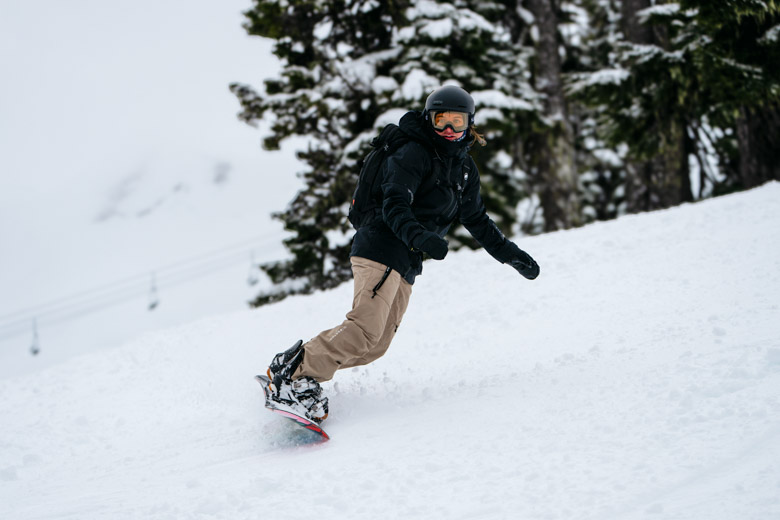
That said, there are some limitations to this design. The 2-layer construction, which bonds a waterproof membrane to the outer fabric and adds a hanging liner to protect the inside of the jacket, isn’t as reliable as a 3-layer design, which bonds all layers together. Although the Summit pants have yet to fail me so far, I am hesitant about their ability to protect me in consistently rough conditions. If you plan to get out, no matter the conditions, it might be best to spend a bit more for a more robust 3-layer design. However, for more casual snowboarders, the 2-layer Summit should be more than enough protection.
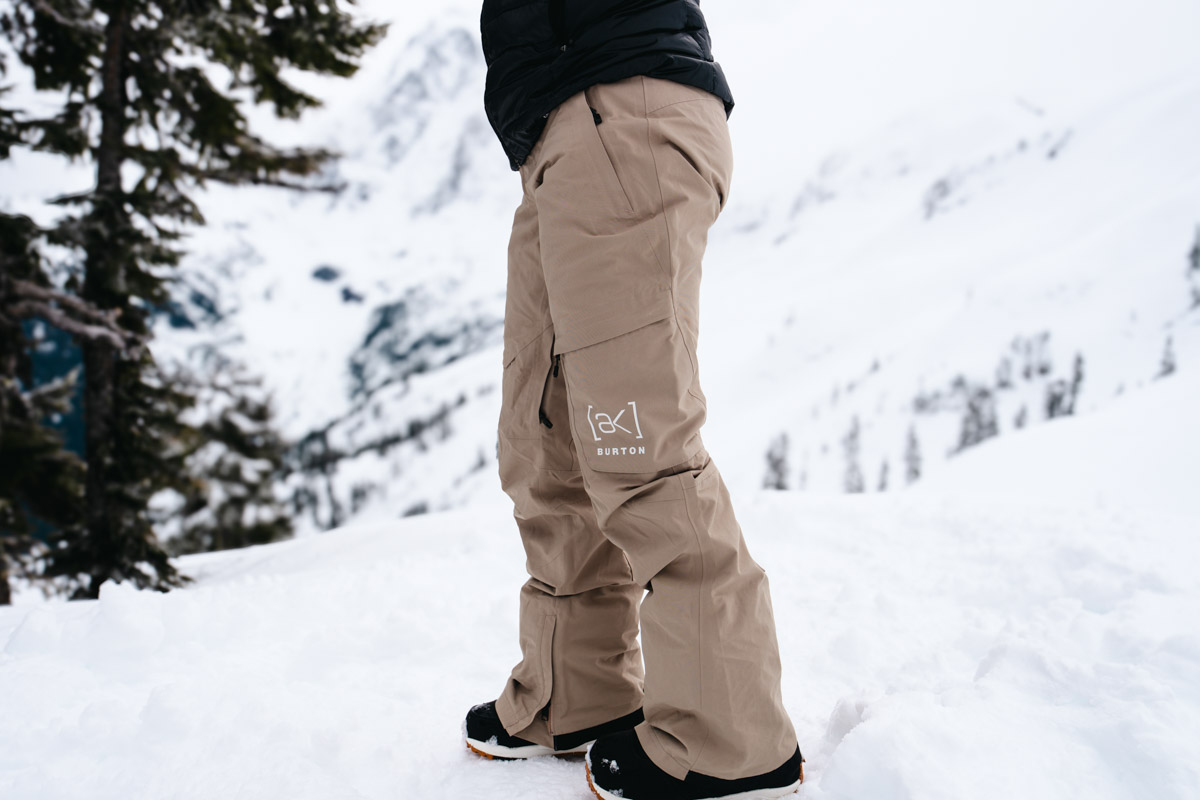
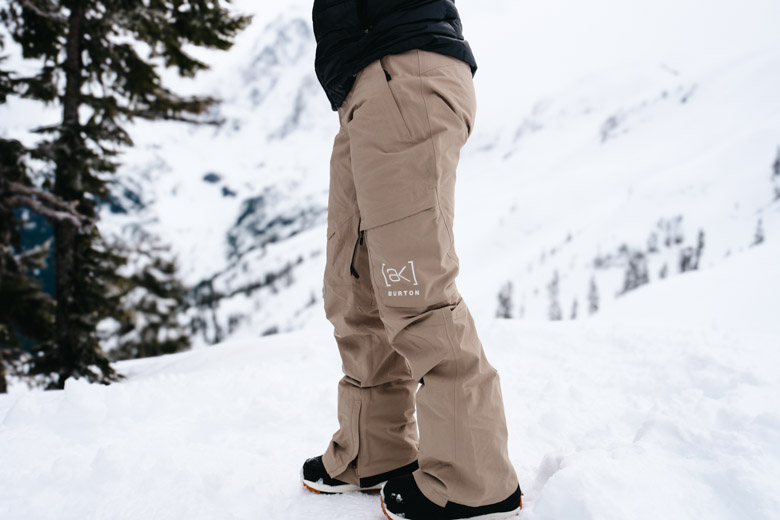
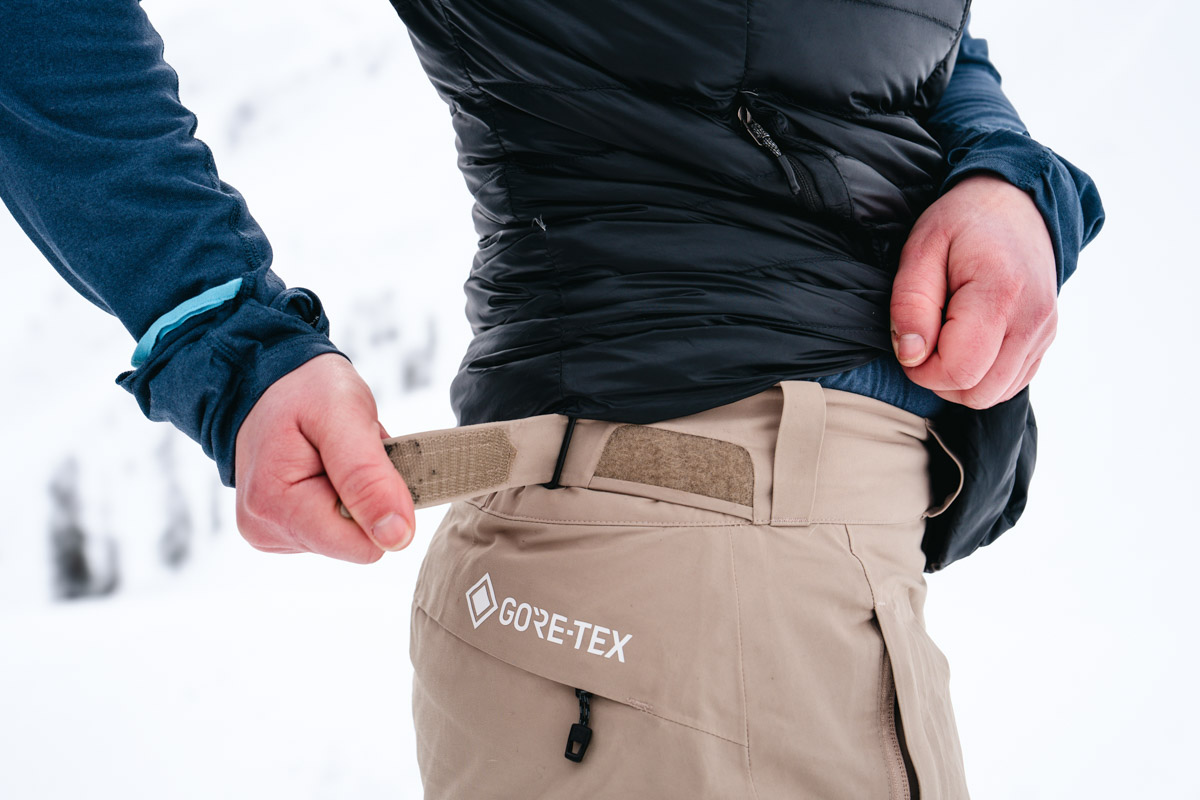
Comfort is one of the highlights of the Summit Pants. In my opinion, they strike a nice balance between baggy and athletic: The relaxed fit is stylish and easy to move around in, but not so oversized that they get in the way. Articulation around the knees makes it easy to ride and walk around, and the fleece-lined waistband is soft against the skin. I appreciate that the Velcro waist adjusters are on the outside of the pants rather than the inside, like many other designs. This prevented the Velcro or the tab from scratching against my waist. My only complaint is that the pants feel slightly overengineered. For example, there’s a bungee “elevator” at the back of the calves that can be used to lift the cuff out of the way when walking around the parking lot or muddy trails. But I never used this feature in testing; it’s easier just to roll up the cuff normally. I would prefer this feature be left off the pants to reduce weight and bulk. That said, it’s far from a dealbreaker, and I found the Summit otherwise very comfortable to wear all day.
As with most 2-layer pants, the Summit Pants aren’t standout breathers. Despite Burton’s claim that they can be used for “peak bagging,” they’re far too warm for dedicated backcountry use. The thigh vents provide a good amount of airflow on warmer days and short sidecountry hikes, but they won’t be enough for skinning. A 3-layer pant without a hanging liner will be much more breathable than the Summit and a better choice for those seeking a touring pant.
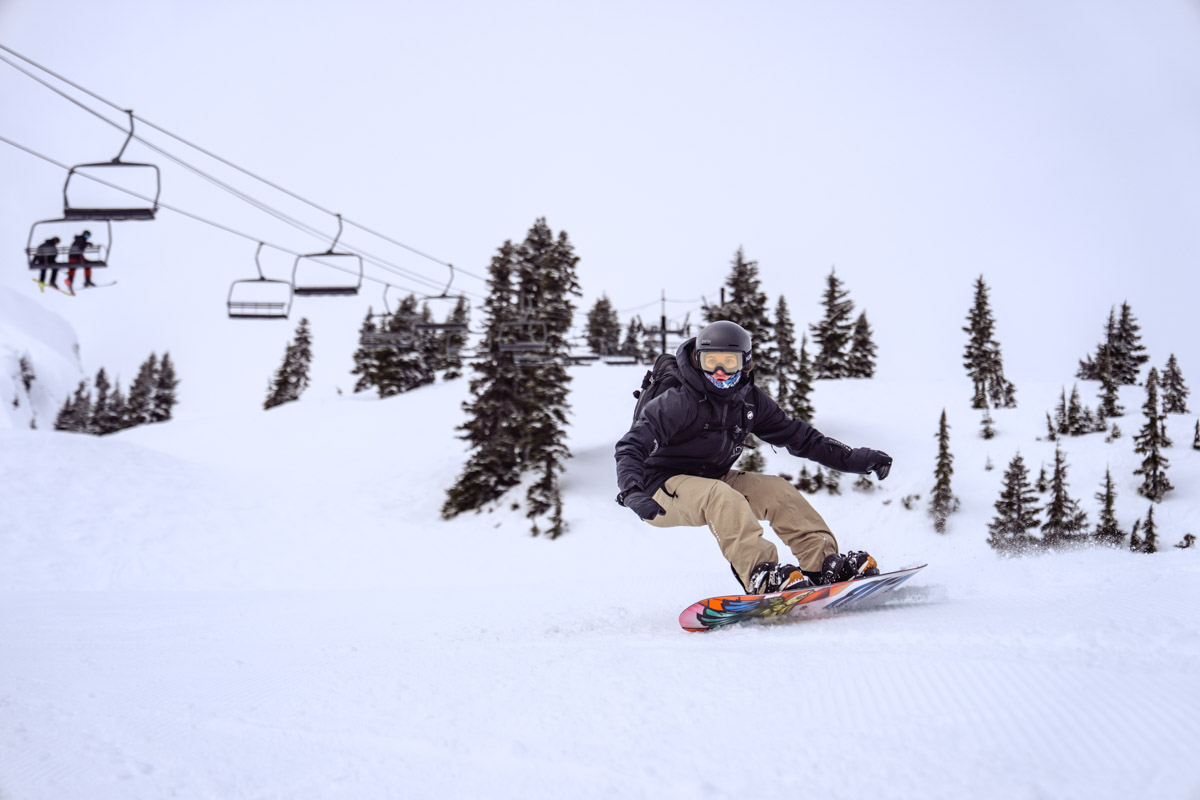
However, if you’re planning to stay within bounds, these pants offer a decent amount of versatility for changing conditions. In cold conditions, I layered a thicker baselayer underneath, but stuck to a thinner baselayer on warmer spring days. I generally prefer a shell pant over an insulated design for this reason: they give you greater control over your warmth. And if you do end up sweating, the maped liner (consisting of stretch woven, tricot, and soft taffeta) wicks moisture away from the body.
The Summit 2L pants weigh around 1 pound 8.6 ounces on average, which is fairly normal for most resort pants. For reference, Patagonia's similar Storm Shift Pants (also a 2-layer resort pant) weigh 1 pound 8.0 ounces. You can go lighter by opting for a 3-layer pant like the Arc'teryx Sentinel Pant, which weighs 1 pound 2.0 ounces, making it a better resort/backcountry crossover design. But at the end of the day, if you're planning on sticking to lift-assisted snowboarding, weight isn't the most important factor. The weight of the Summit doesn't impact its mobility or comfort.
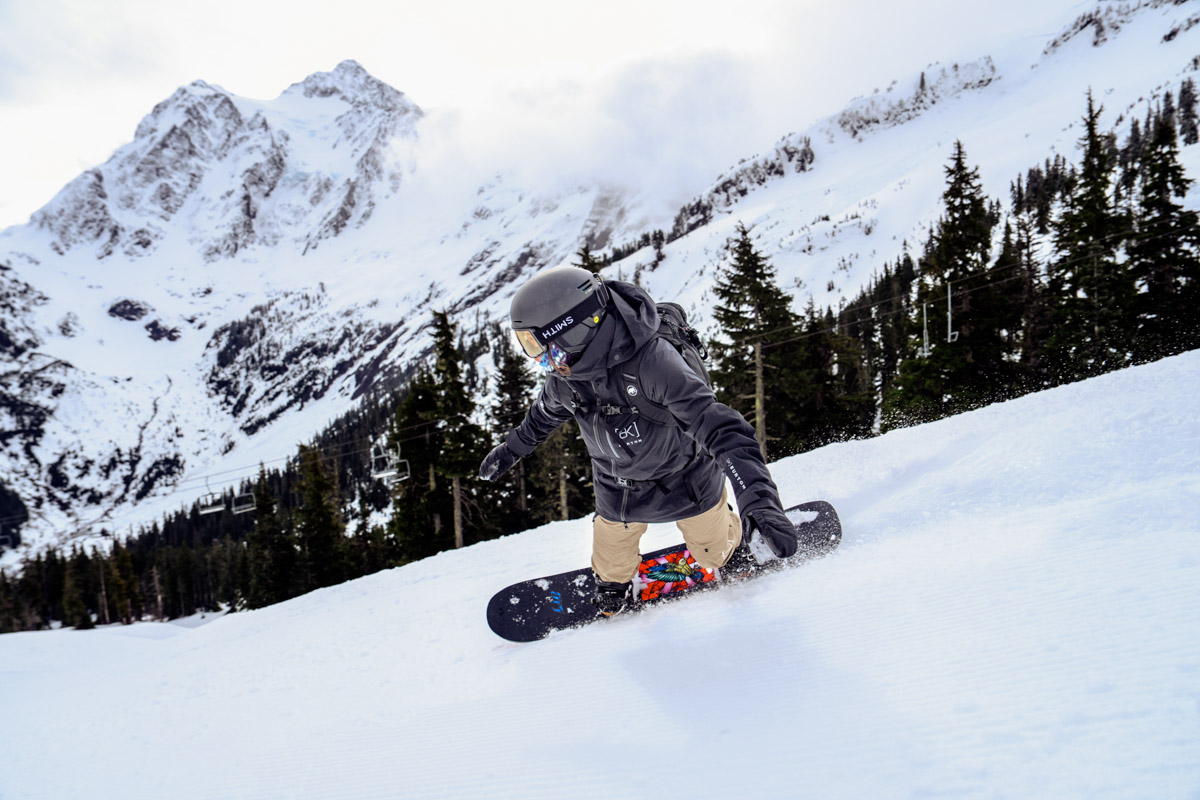
The pockets on the Summit Pants were some of my favorites among the snowboard pants I’ve tested. To start, the zippered handwarmer pockets are great for warming frozen fingers on cold days, and the microfleece liner is exceptionally soft. I got the most use out of the zippered thigh pockets for storing gear and snacks. They’re large enough to fit a phone and easy to access with gloves on. I used the back pockets the least, and generally think that back pockets on any pair of snowboarding pants are silly. I used them to carry my wallet around when at the lodge, but I didn’t store anything in them when riding because I didn’t want to risk sitting on or losing anything. There’s also a small “ATM” pocket on the inside of the handwarmer pocket, but that pocket also went underutilized. I prefer storing my wallet or pass in a chest pocket on a jacket.
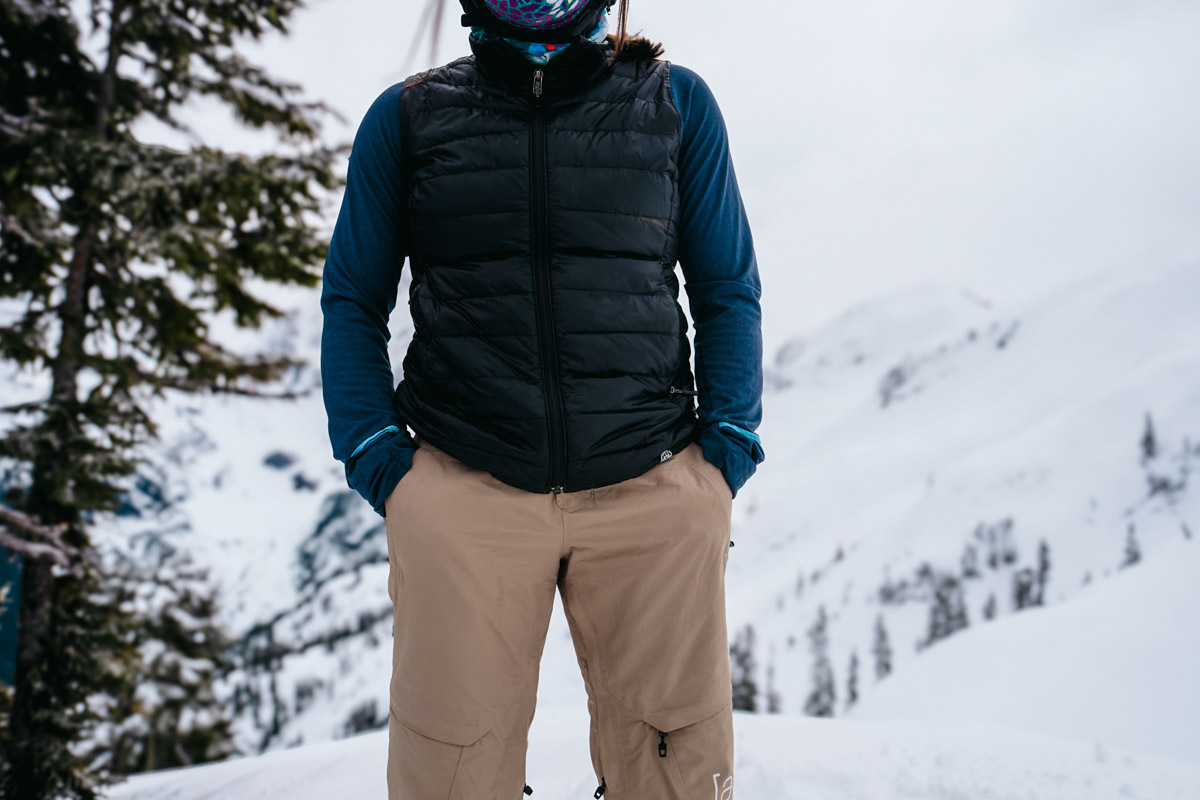
There are a few other notable features on the Summit Pants. Like most snow-sport pants, they feature cuff reinforcements to protect against wear and tear from bindings and boots. The aforementioned cuff elevator bungees are located on the back of the calves, and Burton added zippers to the cuffs to make the pants compatible with a range of snowboard boots. Put together, the Summit Pants have a functional and somewhat maximalist feature set. While I think they could reduce weight and bulk by removing some unnecessary features, I appreciate Burton’s attention to storage.
Overall, the Summit Pants feel very well built, and I have little doubt regarding their long-term durability. The 70D fabric is thick and resistant to wear and tear, and the cuff reinforcements provide added assurance in high-wear areas. All zippers are smooth-operating, and fully taped seams throughout keep moisture from seeping in through stitching. While the DWR coating has held up so far, I do anticipate having to reapply it at some point, but that’s easy to do with a wash-in treatment from Nikwax. Although I have no concerns about this pant falling apart anytime soon, it’s reassuring to know that Burton offers a lifetime warranty for their apparel, and filing a claim is easy through their website.
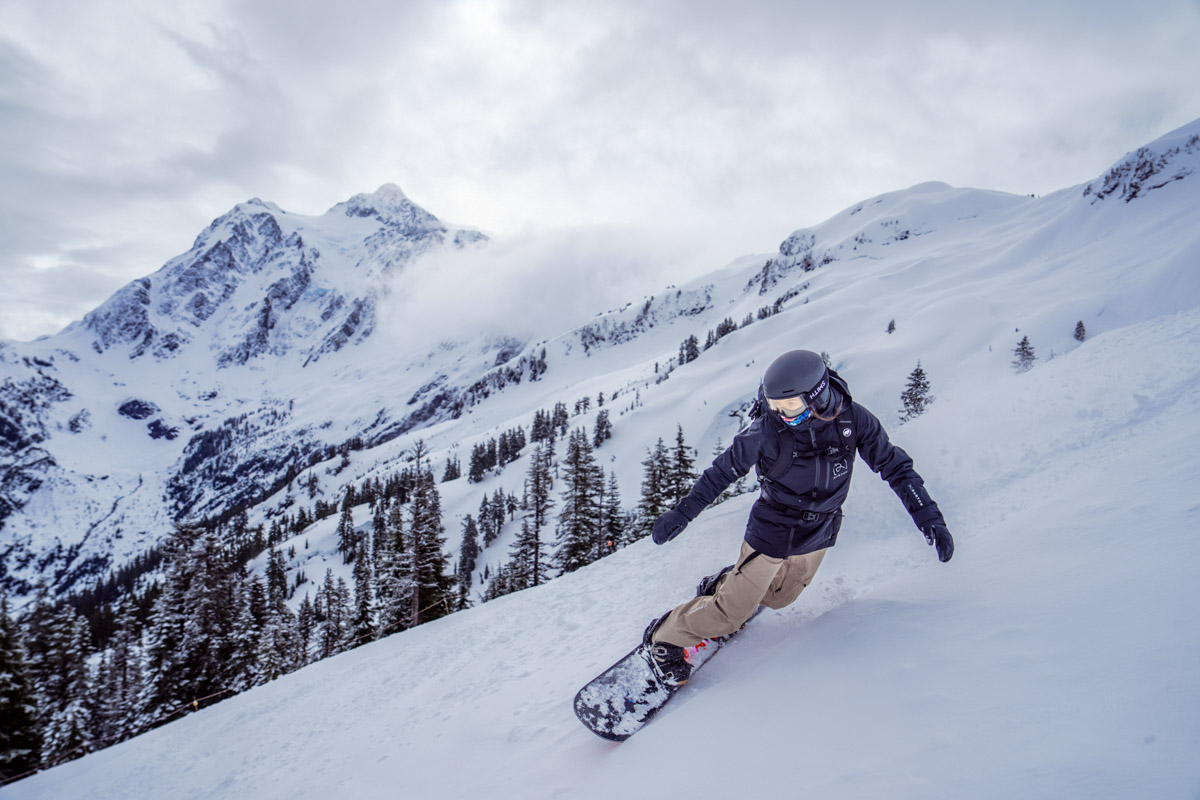
The Summit Pants fit great in my normal size, a women’s small. The Velcro waist tabs really helped me dial in fit and allowed for some versatility when layering baselayers of various thicknesses. It's worth noting that they are available in eight sizes, ranging from XXS to XXXL, and come in three inseam lengths (short, regular, and tall), making it easier to find the right fit. If you’re unsure of your size, Burton provides a helpful size chart on their website.
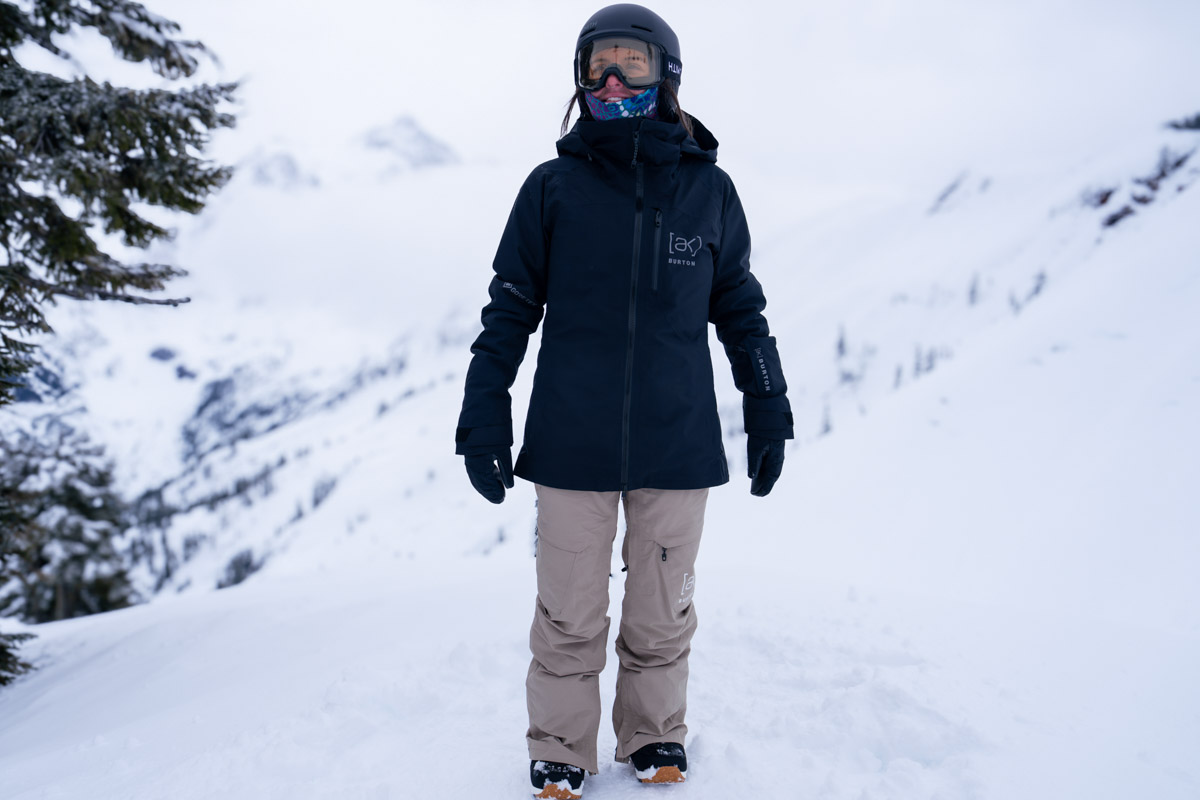
Burton is among the many gear manufacturers that are becoming more transparent about their sustainability and production practices. For the Summit Pants, Burton uses a PFAS-free waterproof membrane and DWR coating that’s free of any added harmful forever chemicals. Both the nylon face fabric and taffeta lining use recycled materials as well. I wish Burton could be a bit more specific about the percentage of recycled materials used in the pants. In the future, I hope to see the brand achieve Fair Trade Certification, which ensures that its manufacturing practices are both eco-friendly and ethical.
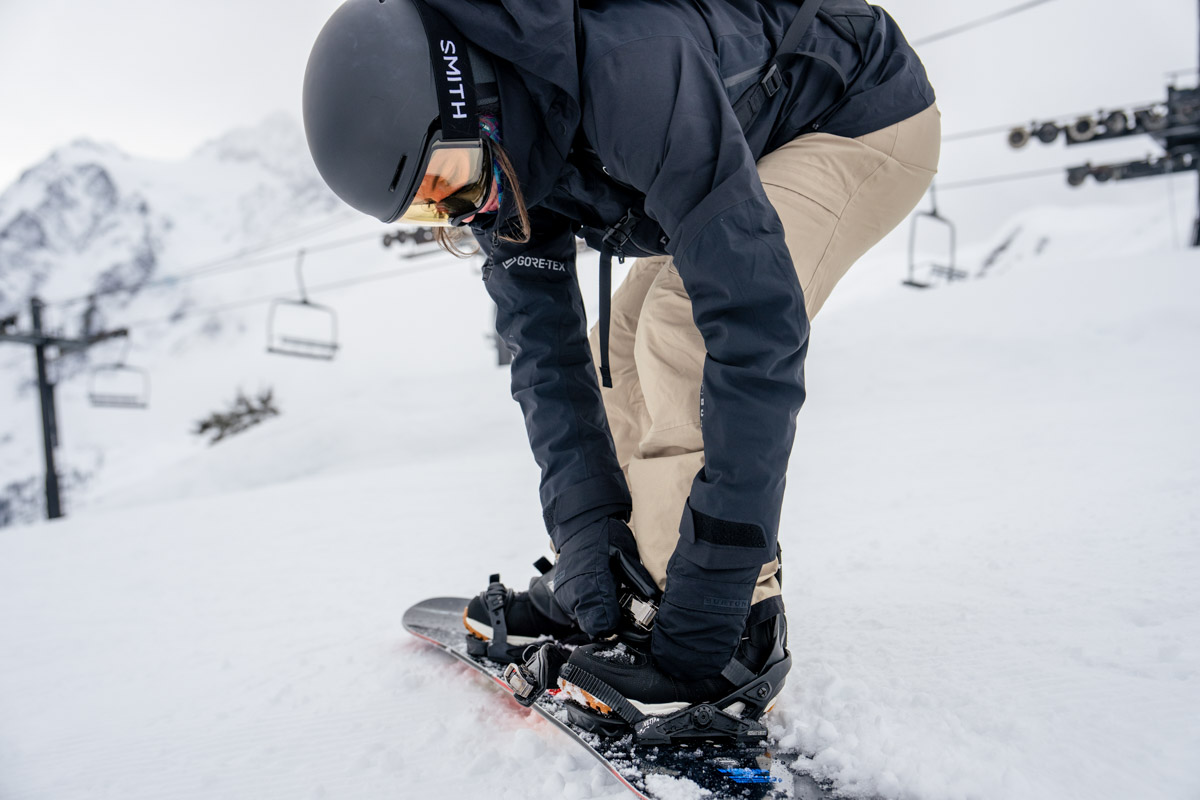
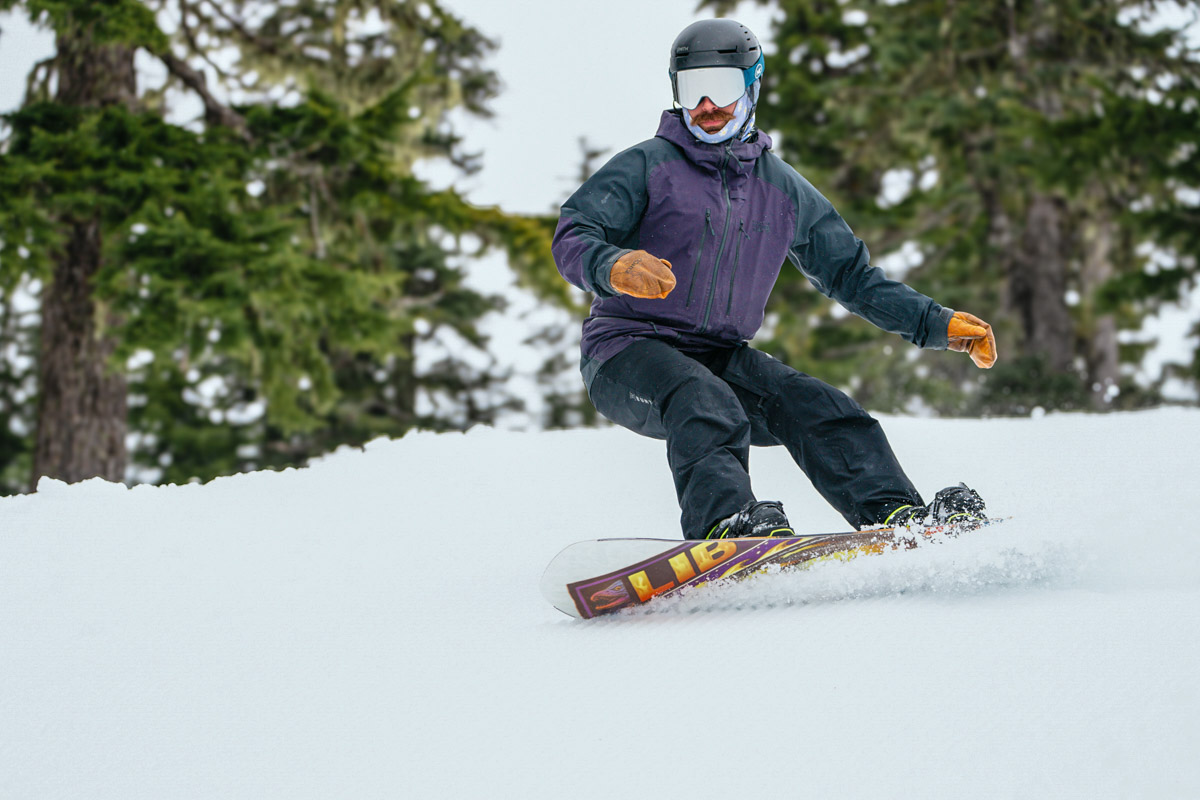
I tested the uninsulated Summit Gore-Tex 2L pants, but Burton offers an insulated version for a higher price. The benefit of spending up for the insulated version is the 40 grams of synthetic insulation, which cuts chill better than an uninsulated pant. That said, the uninsulated version I tested allows for more versatility in layering and remains comfortable in warmer springtime conditions. The closest men’s-specific pant in Burton’s line is the Cyclic Gore-Tex 2L, which has a nearly identical build and is priced the same. We tested the Cyclic alongside the Summit and found its waterproofing, breathability, durability, and comfort very similar.
| Jacket | Price | Best For | Waterproofing | Fabric | Weight |
|---|---|---|---|---|---|
| Burton [ak] Summit GTX 2L | $440 | Resort | 2L Gore-Tex | 70D | 1 lb. 8.6 oz. |
| Burton Reserve 2L Pants | $210 | Resort | 2L DryRide | Unavail. | 1 lb. 8.0 oz. |
| Burton Tuvak GTX C-Knit 3L | $730 | Resort/backcountry | 3L Gore-Tex | 30D | 1 lb. 15.0 oz. |
| Arc'teryx Sentinel Pant | $600 | Resort/backcountry | 3L Gore-Tex | 80D | 1 lb. 2.0 oz. |
| Patagonia Storm Shift | $399 | Resort | 2L Gore-Tex | 150D | 1 lb. 8.3 oz. |
Burton’s Summit 2L pants land in a sweet spot between price and performance, but there are lots of snowboard pants on the market to consider. From within Burton’s line, it’s worth checking out the Reserve 2L Pants as a less expensive alternative. The biggest thing you give up by going with the Reserve is the Gore-Tex waterproofing, although we’ve found Burton’s DryRide membrane to be plenty protective for most casual resort riding. Like the Summit, the Reserve 2L won’t be breathable enough for backcountry riding, but it’s a compelling design for weekend warriors who want to save a bit of cash. On the more premium end, you can get Burton’s Tuvak Gore-Tex C-Knit 3L Pants. These pants have everything a dedicated resort and backcountry boarder needs: reliable Gore-Tex waterproofing, a durable and breathable 3-layer construction, and a slightly trimmer but still stylish fit. The Tuvak is much pricier than the Summit, however, and heavier, which limits its appeal for long days on the skin track or steep mountain ascents.
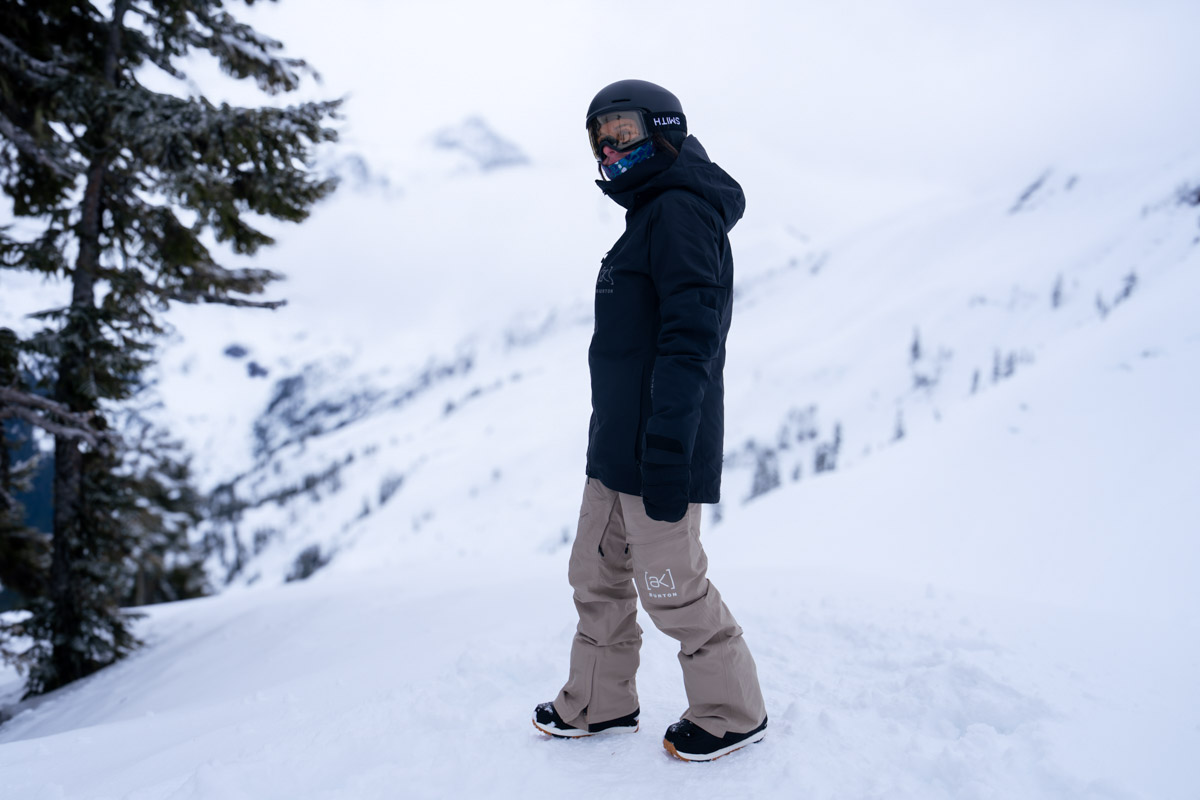
Outside of Burton’s line, it’s worth considering Arc’teryx Sentinel Pant and Patagonia’s Storm Shift Pants. Starting with the former, the Sentinel offers a similar build to the Tuvak, including Gore-Tex waterproofing and a 3-layer construction, but it's much lighter in weight and more durable (thanks to the 80D fabric). It's tough to beat Arc'teryx's build quality, too, and the Sentinel is less expensive than the Tuvak, although the fit is a bit more athletic, which might not appeal to the snowboarding crowd. Patagonia’s Storm Shift Pants are most similar to the Burton Summit in construction and price: They are a 2-layer shell with Gore-Tex waterproofing. Patagonia’s build quality is top-notch, and the Stom Shifts are extremely hardwearing with a 150D fabric. That said, the Storm Shift pants have a slightly trimmer cut than the Summit, which may or may not be a downside, depending on your style. Ultimately, your choice comes down to aesthetics and use case, but the Summit continues to stand out for its combination of style, durability, and performance.
Back to the Burton Summit 2L Review See Our Women's Snowboard Pants Guide


b078.jpg?h=fbc67360&itok=13rKRbX2)
da3c.jpg?h=fbc67360&itok=DZ8F8qZl)
bcdc.jpg?h=fbc67360&itok=wmPMXiEZ)
e530.jpg?h=fbc67360&itok=T2wyPtl3)
%20(s)48aa.jpg?h=fbc67360&itok=LvUlkI0t)
f7c2.jpg?h=fbc67360&itok=JXaXEq0L)

c8ee.jpg?h=fbc67360&itok=qF2arFUM)