_0.jpg)
Photo Credit
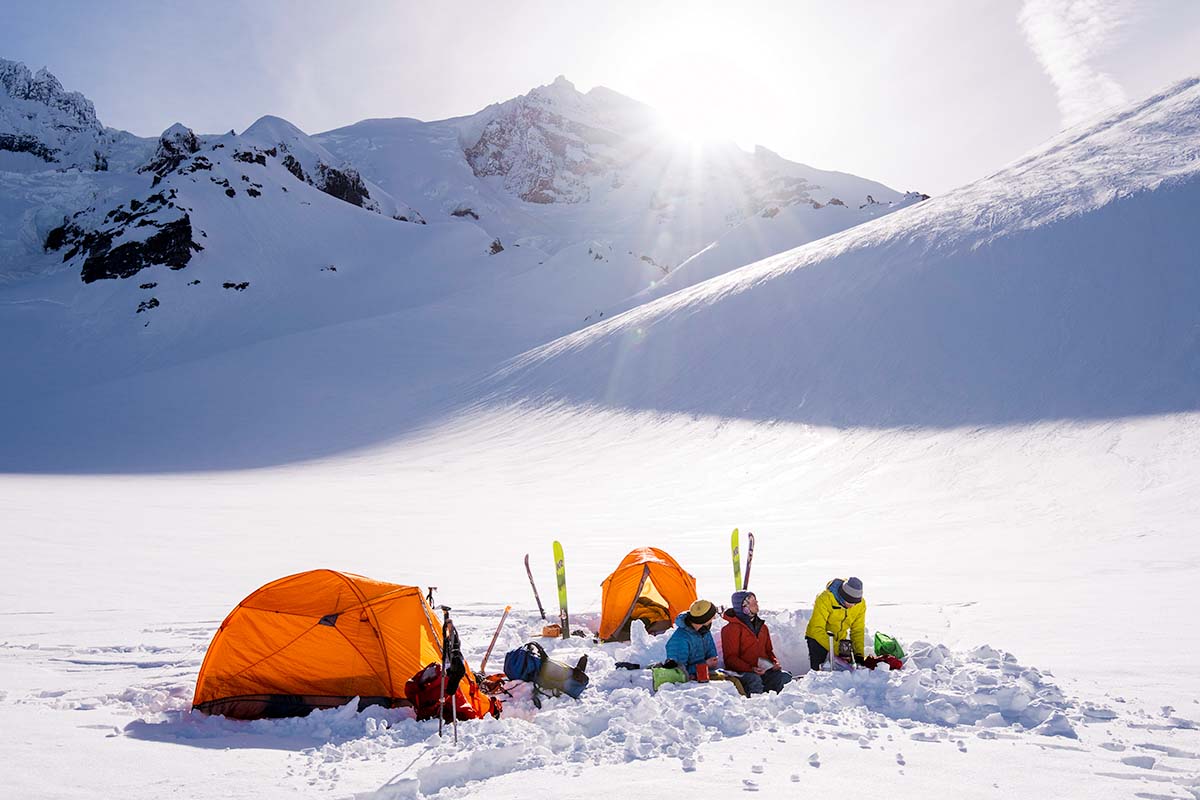
Whether you're planning a week-long expedition or camping for a single night, having the right winter camping equipment is crucial. Snow-covered landscapes can be magically enticing, but trips can turn uncomfortable—or dangerous, at the worst—if you’re not prepared. We've created a full, printable PDF that offers a comprehensive breakdown of the necessities and nice-to-haves. For more information on all things winter gear, see our detailed ski gear and winter gear reviews.
Our Winter Camping Checklist PDF
| Winter Camping Equipment | Cold-Weather Clothing | Winter Travel & Avy Safety Gear | Health & Hygiene | Personal Items & Extras |
|---|---|---|---|---|
❒ 4-season tent ❒ Cold-weather sleeping bag ❒ Insulated sleeping pad ❒ Stove and fuel ❒ Headlamp
Optional: ❒ Foam sleeping pad ❒ Sleeping bag liner ❒ Pillow ❒ Tent footprint/ground cloth ❒ Extra stakes and guylines ❒ Pack liner or waterproof stuff sacks | ❒ Heavyweight down or synthetic jacket ❒ Hardshell or ski jacket ❒ Hardshell, softshell, or ski pants ❒ Baselayers ❒ Midlayer ❒ Gloves ❒ Warm socks ❒ Sunglasses and goggles
Accessories & Optional: ❒ Beanie or headband ❒ Liner gloves ❒ Long underwear ❒ Insulated pants ❒ Extra socks ❒ Down booties ❒ Gaiters ❒ Balaclava or neck gaiter | ❒ Backcountry skis, splitboard, or snowshoes ❒ Climbing skins ❒ Backcountry ski or mountaineering boots ❒ Backpack or sled ❒ Poles ❒ Avalanche beacon ❒ Probe ❒ Shovel ❒ Navigation
Accessories & Optional: ❒ Daypack or ski pack ❒ Slope meter ❒ Snow saw ❒ Crampons ❒ Ice axe ❒ Compass ❒ Waterproof map/guidebook photos ❒ Satellite messenger ❒ Backcountry radios ❒ Binoculars | ❒ Toothbrush ❒ Toothpaste ❒ Toilet paper/baby wipes ❒ Hand sanitizer ❒ Deodorant ❒ Personal medications ❒ SPF-rated balm ❒ Sunscreen ❒ First aid kit
| ❒ Food ❒ Cookware ❒ Coffee, tea, hot chocolate, etc. ❒ Water bottles ❒ Thermos ❒ Animal-resistant food storage ❒ Camera ❒ Non-metal spoon ❒ Disposable hand wamers ❒ Lighters/waterproof matches ❒ Knife or multi-tool ❒ Whistle ❒ Basic repair kit ❒ Cell phone w/ charger ❒ Power bank ❒ Extra batteries ❒ Notebook and pencil ❒ Ziploc bags ❒ Moleskin ❒ ID, cards, cash ❒ Permit or park pass |
When spending nights outside in the winter, the main goal is to stay dry and warm. The best way to do this is to invest in gear that's effective at keeping the cold and wet at bay. Below is what we recommend bringing on every trip to comfortably spend days and nights outdoors in the cold. We've also included a handful of optional items that may or may not be worth packing depending on your preferences and objectives.
.jpg)
What we like: Tough build, great livability, and extremely reliable.
What we don’t: Heavy, expensive, and overkill for even shoulder-season camping.
Editor’s note: Many winter campers also bring along a basecamp shelter like the Black Diamond Mega Snow for use as a camp kitchen/hangout space.
What we like: Premium down insulation and effective heat-trapping features.
What we don’t: If you're worried about moisture, it's worth spending up for a bag like the Feathered Friends Snowbunting ES, which features a water-resistant shell.
What we like: High R-value for below-freezing conditions, but still competitively light.
What we don’t: Overbuilt for non-winter use.
What we like: Enclosed burner brings water to a boil quickly, even in gusty conditions.
What we don’t: Expensive and no built-in igniter; MSR's Reactor is better for melting snow.
.jpg)
What we like: Reliable, bright, and compatible with both rechargeable and AAA batteries.
What we don’t: Some find the battery difficult to access and swap out.
What you wear is always critical in the outdoors, but that's even more true in frigid conditions. You’ll pay more for winter-ready warmth and protection, but our recommendations are exceptionally well-made and should last you seasons to come (provided you take proper care of them). And don’t skimp on the accessories—quality socks, gloves, and hats can go a long way toward keeping you comfortable when the mercury drops.
.jpg)
What we like: Remarkably warm for the weight and reasonably priced for the level of performance.
What we don’t: Heavy and bulky; synthetic alternatives like the Patagonia DAS Parka are more reliable in the wet (down loses its insulating abilities).
What we like: Well-rounded and plenty tough to withstand brutal alpine conditions.
What we don’t: Arc’teryx gear doesn’t come cheap; not ideal for fast-and-light missions.
What we like: Top-notch protection and durability; this ski pant translates well into the backcountry.
What we don’t: Softshell pants are much more comfortable and breathable (at the sacrifice of weatherproofing).
What we like: Extremely soft and warm, and it wicks moisture well.
What we don’t: Requires good care to last; Smartwool's Intraknit Thermal is a better match for active use (like skinning) when you'll be working up a sweat.
.jpg)
What we like: Hard-to-beat combination of warmth, breathability, and comfort.
What we don’t: Fleece midlayers, like Patagonia's R1 Air, are generally cheaper.
What we like: Well-insulated, hardwearing, and comfortable.
What we don’t: Takes some time to break in; below-average dexterity.
What we like: A full cushion sock with plush warmth and a high dose of merino (63%) for wicking moisture and fending off stink.
What we don’t: If your boots are already snug, we recommend stepping down to the thinner Targeted Cushion OTC.
What we like: Class-leading optics and a quick lens-change system for adapting to changing conditions.
What we don’t: A pair of sunglasses, like the Smith Wildcat, is less prone to fogging up.
Editor’s note: Snow blindness (i.e., sunburn on your eyes) is a major concern in winter, especially at altitude. For the best protection and coverage, we recommend bringing a pair of performance-oriented sunglasses or glacier goggles, which will vent better than ski goggles on the uphill.

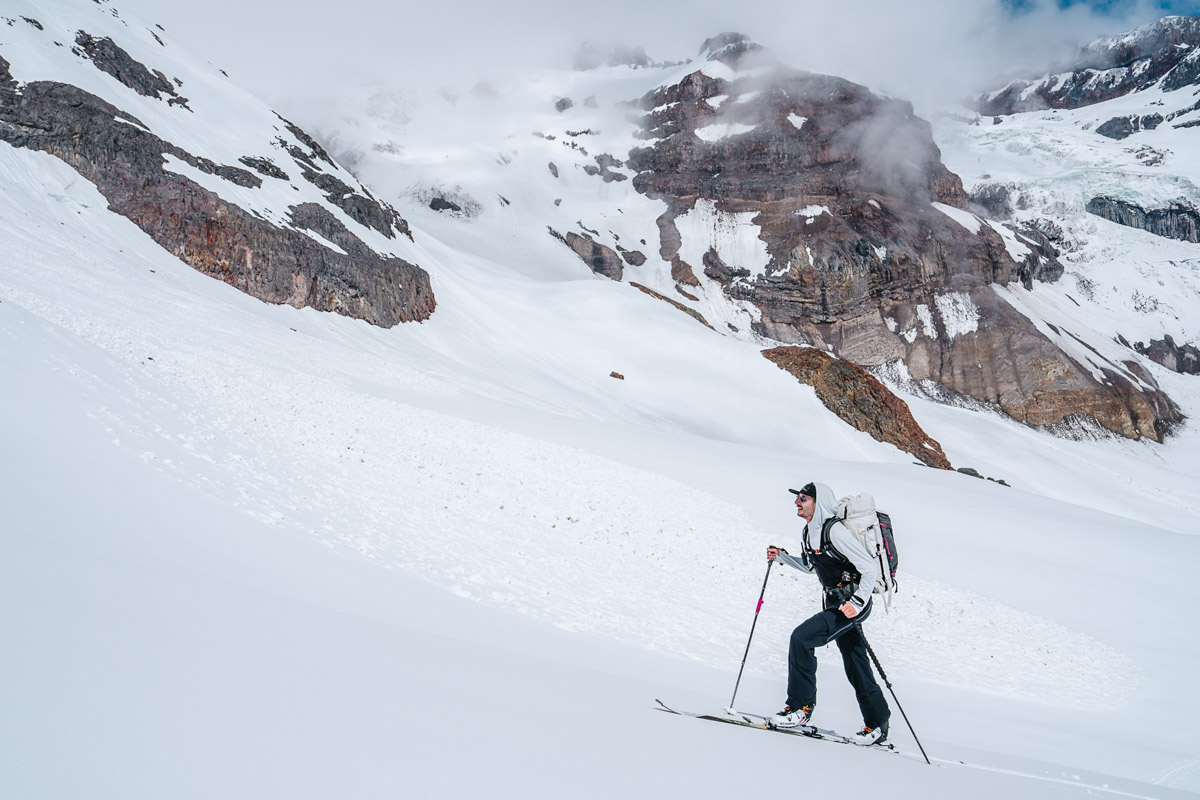
You won’t be getting far from the trailhead without a quality pair of skis, snowshoes, or a splitboard to plow through the deep stuff. And once you have those, you'll likely need accessories like climbing skins (if you opt for skis or a splitboard), poles, boots, and a pack or sled to haul everything to your campsite. Finally, if you’ll be crossing any avalanche terrain on your route, you’ll need to bring along a beacon, shovel, and probe—after the proper training, of course.
What we like: Efficient on the uphill and fun on the descent.
What we don’t: Underbuilt for serious, big-mountain objectives; not the most nimble design.
What we like: Near-optimal balance of glide, grip, adhesion, and packability.
What we don’t: Not as long-lasting as 100%-nylon designs like Black Diamond's Ascension.
What we like: Well-rounded performance for both climbing and descending.
What we don’t: Not burly enough to cross over well for frequent resort use.
What we like: Generously sized with lots of winter-specific features.
What we don’t: A sled would be less strenuous as the miles add up.
Editor’s note: For multi-day trips, we love the combination of a sled and duffel. If you go this route, we recommend bringing along a small daypack or ski backpack for easy access to water, snacks, a warm layer, and avalanche gear.
.jpg)
What we like: 4-season versatility and notably tough for a carbon design.
What we don’t: Weight-conscious backcountry skiers can save a few ounces with the aluminum Black Diamond Traverse.
What we like: A time-tested design with an intuitive interface.
What we don’t: No Bluetooth connectivity; battery life and range fall short of more advanced designs.
What we like: Lightweight, easy to deploy, and very readable depth markings; available in several lengths.
What we don’t: The longer lengths are more expensive.
What we like: Sturdy and packs down reasonably small.
What we don’t: The pricier Transfer LT is a lighter-weight option (by 9 oz.).

What we like: An easy-to-use interface with the option to clearly highlight the slope angle.
What we don’t: A monthly subscription is required for offline access and many advanced features, including slope shading.
We’d categorize winter camping as “type 2” fun: not always enjoyable while you’re doing it, but worthwhile after the fact. Whether you’re a seasoned pro or just dipping your toes, maintaining a good hygiene routine can help make the experience more comfortable. We consider the items here the bare necessities for staying clean and comfortable in the backcountry. And make sure to bring the appropriate sun protection, too—the sun’s rays can be especially powerful when reflecting off snow.
.jpg)
Our list covers the essentials, but we have a few more suggestions for your winter camping setup. Some are for more technical adventures, while others just make us more comfortable in extreme conditions. Don’t forget these bits and pieces before you set off on your snow-packed adventure.
.jpg)
_0.jpg)
If you’re traveling into the mountains with slopes greater than 30 degrees (you can use an inclinometer to check), avalanche safety gear is a necessity. The three most vital pieces of equipment for keeping yourself and your friends safe are a beacon, shovel, and probe (more on these above). Many serious backcountry-goers also opt to bring an airbag backpack, which has an airbag that will keep them afloat in an avalanche. And of course, the gear is useless without proper training, so we always advise taking at least a level 1 avalanche course—and practicing, practicing, practicing—before venturing into avy-prone terrain. AIARE offers classes nationwide throughout the winter and early spring.
.jpg)


-tfe3e.jpg?h=fbc67360&itok=tQQ0SQx9)
2d4c.jpg?h=fbc67360&itok=EZmZXoiz)
bcdc.jpg?h=fbc67360&itok=wmPMXiEZ)
6754.jpg?h=fbc67360&itok=XJLgXTM5)
678e.jpg?h=fbc67360&itok=Fjr9waXE)
3f56.jpg?h=fbc67360&itok=McVYCRci)
51e0.jpg?h=fbc67360&itok=dkRs76Ki)
e5f1.jpg?h=fbc67360&itok=vxewJsot)