.jpg)
.jpg)
Photo Credit
Nothing is more satisfying or adrenaline-inducing than slaying fresh powder in the heart of the backcountry, but you’ll need the right gear to accomplish your ski objectives. Aside from your ski gear, you'll need avalanche safety gear and the right clothing for the conditions. We created a printable PDF with a comprehensive checklist of the gear you need to stay comfortable and safe while backcountry skiing. For all of our product recommendations in one place, see our ski gear reviews.
Our Backcountry Skiing Checklist
| Backcountry Ski Equipment | Avalanche Safety Gear | Backcountry Ski Clothing | Personal Items & Extras |
|---|---|---|---|
❒ Backcountry skis w/ touring bindings ❒ Backcountry ski boots ❒ Ski poles ❒ Climbing skins ❒ Ski goggles and/or sunglasses ❒ Ski helmet ❒ Ski backpack ❒ Navigation ❒ Headlamp
Accessories & Optional: ❒ Ski straps ❒ Repair kit ❒ Ski crampons ❒ Ice axe ❒ Satellite messenger ❒ Backcountry radios ❒ Skin wax ❒ Utility cord ❒ Emergency blanket or bivy
| ❒ Avalanche beacon ❒ Snow shovel ❒ Probe ❒ Slope meter ❒ Snow study kit
Optional: ❒ Snow saw ❒ Avalanche airbag pack | ❒ Baselayers ❒ Midlayer ❒ Down or synthetic jacket ❒ Hardshell or ski jacket ❒ Ski pants or bibs ❒ Ski gloves or mittens ❒ Ski socks
Accessories & Optional: ❒ Beanie or insulated headband ❒ Brimmed hat ❒ Liner gloves ❒ Balaclava or neck gaiter ❒ Extra socks | ❒ Bathroom kit or Wag Bags ❒ Hand sanitizer ❒ SPF-rated lip balm ❒ Sunscreen ❒ First aid kit ❒ Food ❒ Insulated water bottle(s) or bladder ❒ Thermos w/ hot beverage or soup ❒ GPS watch ❒ Camera ❒ Disposable hand warmers ❒ Whistle ❒ Compass ❒ Knife or multi-tool ❒ Extra batteries ❒ Lighter or waterproof matches ❒ Foam sit pad ❒ Notebook and pencil ❒ Personal medications ❒ ID ❒ Permit or park pass |
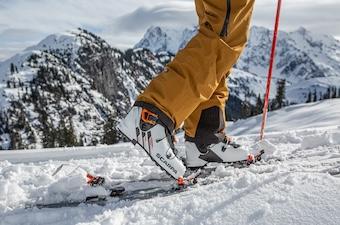
When preparing for a trip into the backcountry, having your gear dialed is essential for your safety and enjoyment in the mountains. Whether you're headed out for a quick tour or embarking on a multi-day mission, you'll need the right skis, boots, bindings, skins, and other equipment for the job. Below is what we recommend bringing on every trip, along with a handful of optional items that may or may not be worth packing depending on your preferences and objectives.
.jpg)
What we like: Lightweight and efficient on the climb but fun and playful on the descent.
What we don’t: For ski mountaineering and long backcountry treks, we prefer a lighter-weight ski, like the Black Diamond Helio Carbon 88.
Editor's note: You'll need to mount your skis with tech or frame bindings, which allow your heel to rotate as you travel uphill (compared to downhill bindings, which lock your heel in place). We prefer modern tech bindings for their lighter, lower-profile build. You can see a full list of favorites in our backcountry ski binding guide.
What we like: Impressive combination of uphill and downhill performance; comfortable, and can be driven hard.
What we don’t: Not compatible with alpine bindings; the Scarpa 4-Quattro Pro is a better hybrid choice for mixed resort and backcountry use.
What we like: Dependable build, reasonably lightweight, and won't break the bank.
What we don’t: Doesn't include premium features like breakaway straps or BD's FlickLock Pro adjustment system—for that, we turn to their upgraded Razor Carbon Pro.
What we like: Mohair/nylon blend offers a great balance of grip and glide; Pomoca's glue stays attached all day while releasing a bit more readily than other brands.
What we don’t: Not as durable as all-nylon skins like the Black Diamond Ascension.
.jpg)
What we like: The anti-fogging system does a great job of maximizing airflow; the photochromic lens is nice for shifting conditions.
What we don’t: A pair of shield sunglasses, like the Smith Wildcat, has goggle-like coverage without the bulk.
What we like: Lighter weight than most resort helmets, great ventilation, and very protective.
What we don’t: Minimal padding isn't great for cold days or frequent resort riding; ski mountaineers might want something lighter weight.
What we like: Great all-day comfort and versatility; all the features we look for in a well-rounded pack.
What we don’t: For overnight objectives, you'll likely need something bigger (we like Black Diamond's Cirque 50).
.jpg)
What we like: Intuitive interface with the option to clearly highlight slope angle.
What we don’t: Requires a monthly subscription for advanced features (including slope angle) and offline access.
What we like: Long-lasting battery that can be swapped out for AAAs; bright and reliable.
What we don’t: Not the lightest or lowest-profile design; some users report problems with the strap and battery compartment, although we've had zero issues in testing.
.jpg)
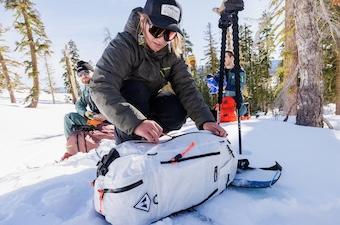
Avalanches are always a risk when traveling in snowy backcountry environments, and knowing how to recognize and respond to potential hazards is key to staying safe. In addition to the basics—beacon, shovel, and probe—we also always bring along a slope meter and snow study kit, as well as a compact saw for digging pits to analyze snowpack or building a makeshift shelter. And importantly, there's no substitute for receiving proper avalanche education and training, which we break down further in our section on avalanche safety.
.jpg)
What we like: Easy to use (especially for beginners), respectable battery life, and reasonably priced.
What we don’t: Simple interface may leave professionals wanting more.
What we like: Sturdy and easy to disassemble for storage.
What we don’t: Spending up to the Transfer LT saves a few ounces (9 oz., to be exact).
What we like: Lightweight, quick to deploy, and features distinct depth markings.
What we don’t: BCA's Stealth series is less expensive (but heavier).
.jpg)
The ideal layering system depends on temperature and conditions, which can vary significantly throughout a day in the backcountry. For this reason, we always recommend wearing or packing several layers that you can add or shed as the weather shifts. On top of a moisture-wicking baselayer, we often wear a thin fleece midlayer for light insulation, a shell or ski jacket for weather protection, and a thicker down or synthetic jacket for transitions and hanging around camp. And don't forget about the smaller accessories, too: Items like ski socks, hats, neck gaiters, and gloves can go a long way toward trapping heat and keeping you comfortable in the mountains.

What we like: The merino wool blend is soft, warm, and odor-resistant; mesh ventilation zones improve breathability.
What we don’t: Pricey; a synthetic baselayer, like Patagonia's Capilene Midweight is less expensive (though not as soft and odor-resistant).
Editor's note: We also recommend a quality baselayer for your bottom half, and a capri design like the Smartwool Intraknit Thermal Merino 3/4 Bottom keeps fabric clear of your ski boots.
What we like: Purpose-built to trap warmth and dump heat—a great combination for touring.
What we don’t: Limited resistance to water and wind.
What we like: Respectably light without skimping on features; smart use of synthetic insulation in moisture-prone areas.
What we don’t: For added assurance in inclement weather, we turn to fully synthetic jackets that continue to insulate when wet.
.jpg)
What we like: Breathable, easy to move in, and lightweight.
What we don’t: A burlier hardshell like Arc'teryx's Beta AR is better suited for consistently wet conditions (but won't breathe as well).
What we like: Stretchy 3-layer design does a great job balancing protection and comfort.
What we don’t: Supple fabric isn't the most weather-resistant, and some may prefer the added coverage of ski bibs.
What we like: Lightweight, dexterous glove with soft fleece lining and wind-resistant fabric.
What we don’t: For true versatility, stick with a breathable liner glove for the uphill and pack a burlier waterproof glove for the downhill.
.jpg)
What we like: Strategic cushioning and mesh for comfort and breathability; great fit.
What we don’t: Not as durable as Darn Tough's socks, like the Solstice and Alpine OTC Lightweight socks.
The gear above covers the essentials for ski equipment, clothing, and safety gear, but there are a handful of other items that we recommend taking for your comfort and safety in the backcountry. Some of these items (like snacks and water) are important for any day in the backcountry, but the others can be taken or left at home depending on your objective.
.jpg)
.jpg)
Even more important than avalanche gear is training, practice, and self-awareness. Winter can be a wonderful time to recreate, but it can also be dangerous if you don’t have an understanding of current snowpack conditions and the slopes you plan to ski and traverse. Your local avalanche center (if you have one), Know Before You Go, and Backcountry Access are all great resources to get you started or to brush up on key concepts. Of course, it’s critical to get out in the snow and practice with your gear—we recommend practicing your skills with your core ski touring group. Additionally, we strongly recommend taking an avalanche course (Level 1 at a minimum) from a reputable organization, such as AIARE, which offers classes nationwide throughout the winter and early spring.
.jpg)
Back to Our Backcountry Skiing Checklist See Our Ski Gear Reviews

90ed.jpg?h=fbc67360&itok=5fkKemHt)
389b.jpg?h=fbc67360&itok=S5cY6s4R)
ec55.jpg?h=fbc67360&itok=0_jtrRCF)
6754.jpg?h=fbc67360&itok=XJLgXTM5)
5f1b.jpg?h=fbc67360&itok=BdEsuj0N)

