Photo Credit
Price: $140
Weight: 1 lb. 2.6 oz. (women's), 1 lb. 6.3 oz. (men's)
Drop: 0mm
Cushioning: Moderate
What we like: An incredibly comfortable, spacious shoe for tackling long miles; more durable than the prior version.
What we don’t: Roomy fit feels unstable on technical terrain; under-cushioned and relatively sluggish for running.
See the Women's Altra Lone Peak 9 See the Men's Altra Lone Peak 9
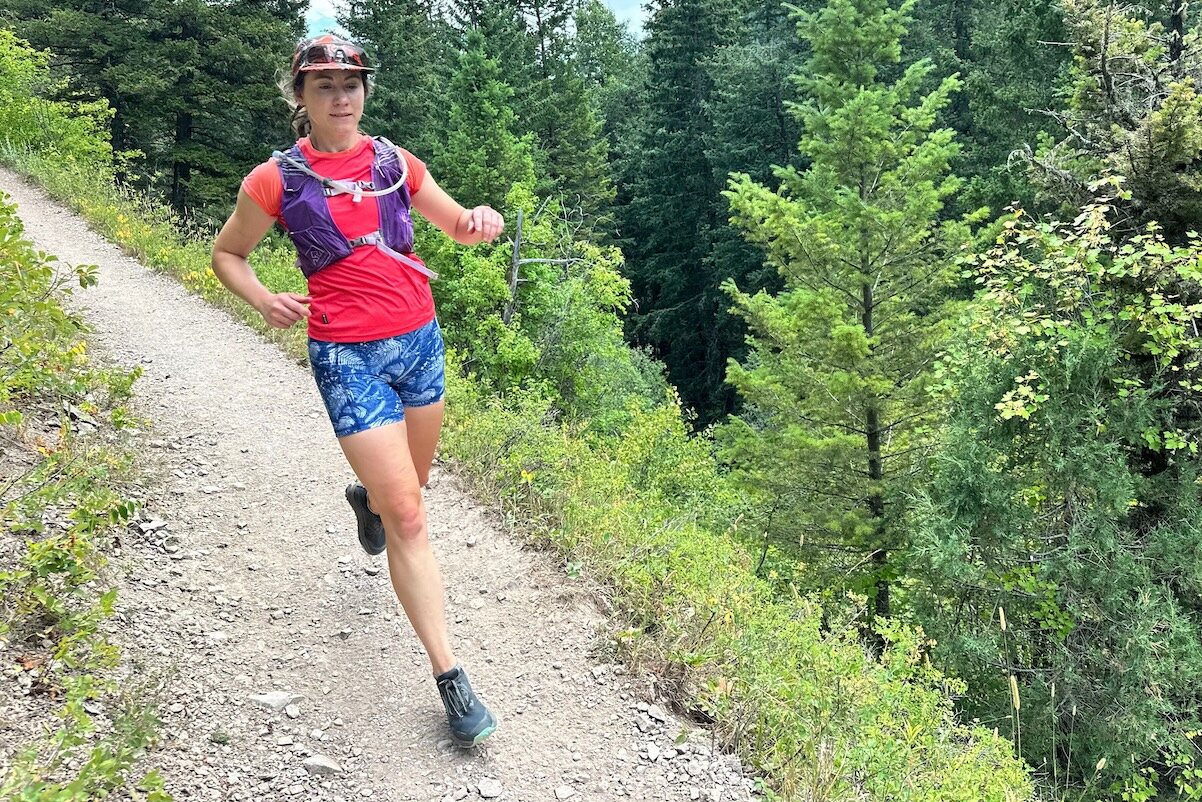
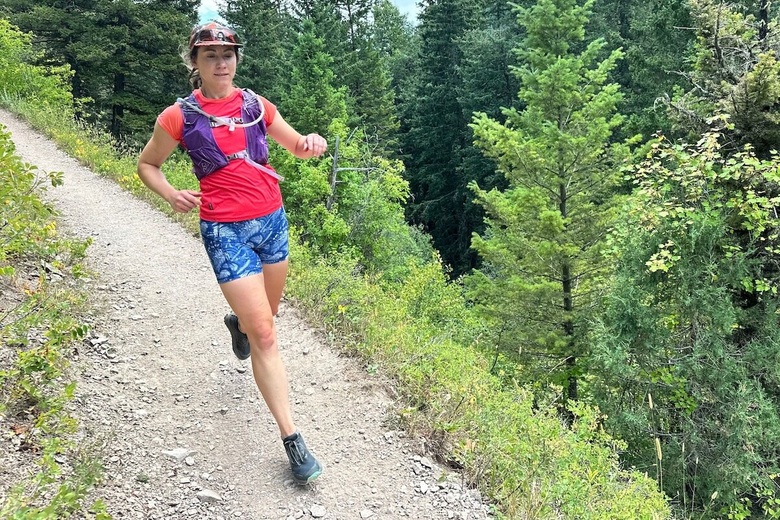
Altra made their name in the trail running and backpacking world with their signature wide toe box and zero-drop design, and the Lone Peak 9 is the latest edition of their flagship shoe. Though still wildly popular on thru-hiking trails, the Lone Peak has seen ups and downs over the years, particularly in the durability department. I'm happy to report the latest version has made strides in that department, with a newly reinforced upper and upgraded outsole rubber. I've been wearing some version of the Lone Peak since 2016, and have tested the Lone Peak 9 and 9+ this season, and my partner tested the waterproof version. Below are my thoughts on this stalwart shoe. To see how it stacks up in the market, check out our articles on the best trail running shoes and best hiking shoes.
As far as comfort through the upper, the Altra Lone Peak is a standout straight from the box. It's our top trail runner choice pick for picky feet, and is built with Altra's FootShape toe box to provide extra room for toe splay. Unless you've seriously misjudged your sizing, you won't feel any toe pinching or forefoot constriction in these shoes. The Lone Peak is one of the only shoes my partner can wear with his ski-boot-destroyed feet and gnarly bunions, and the slipper-like feel requires no break-in after purchase. My feet and calves love the accommodating fit and zero-drop design during thru-hikes, and these are still one of my top picks for longer days or extended backpacking trips.
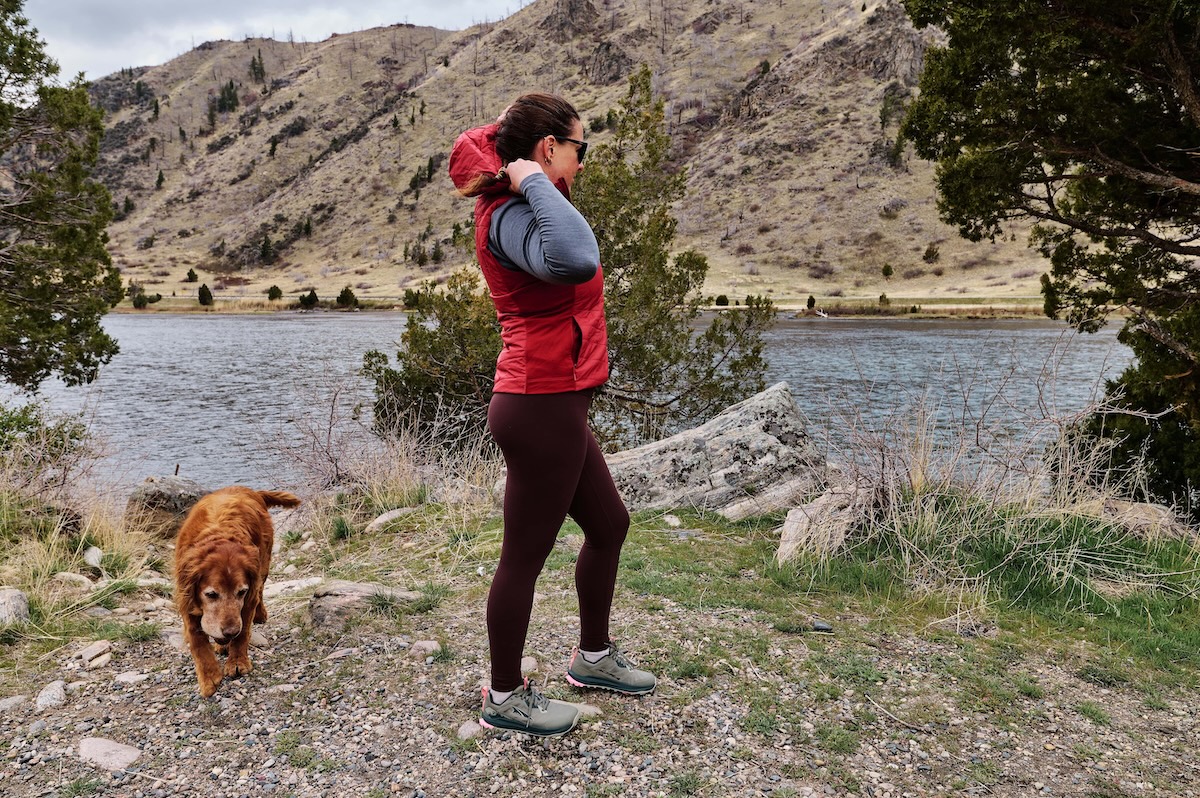
The Lone Peak 9 has mid-range cushion underfoot, with 25 millimeters of stack height. In today's world of max-cushion shoes, this can feel underpadded for long days on the trail, but it's all about what you're used to. When I first started wearing the Lone Peak, the mid-height cushion felt more than adequate. These days, I'm testing trail runners like La Sportiva's Prodigio Max (37mm heel stack) and the Hoka Speedgoat 6 (38mm heel stack), so 25 doesn't have the same plush feeling that it used to. Altra does offer several higher-cushioned models with a similar zero-drop design and wider fit, so hikers looking for more padding might appreciate the Timp 5 with a 29-millimeter stack height, or the max-cushioned Olympus, with 33 millimeters. I don't find the Lone Peak uncomfortable per se, but as I've gotten used to taller shoes in the past few years, I notice the ground underfoot more during a long day.
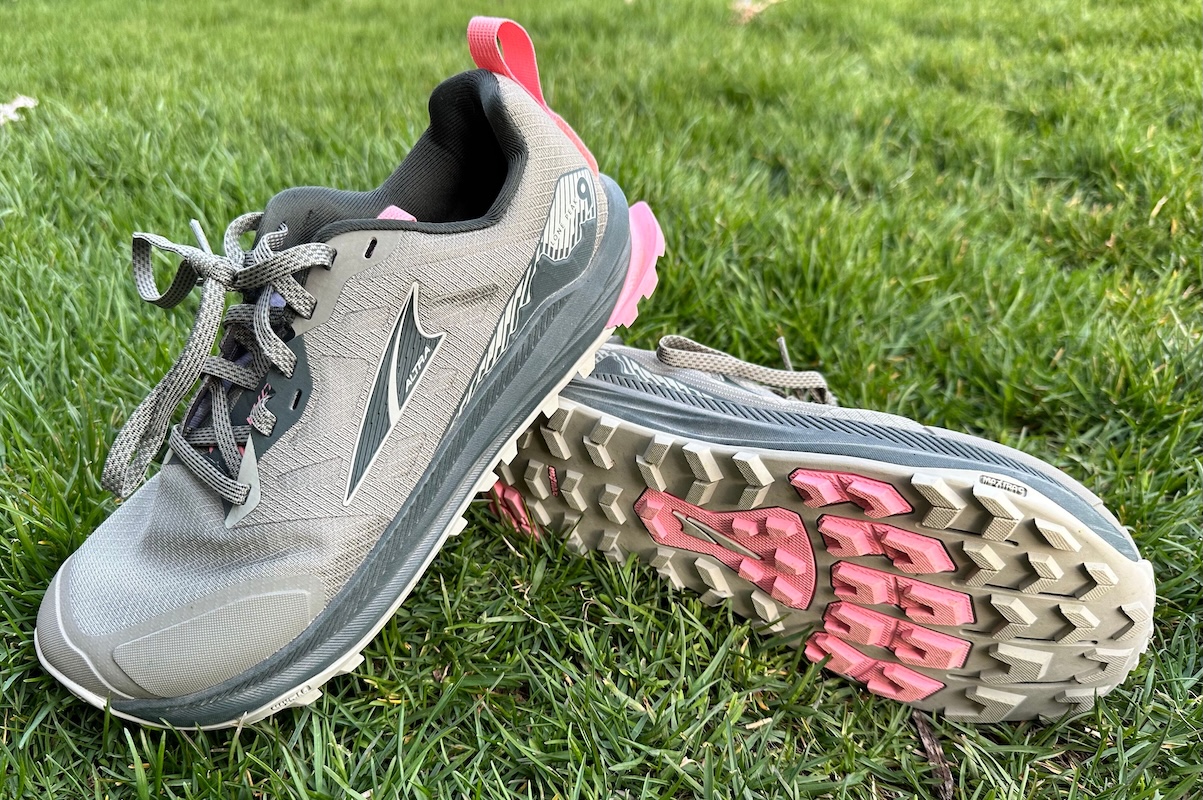
Traction is one of the categories that has suffered from durability issues in several of the Lone Peak's past models. The lugs, while initially sharp and well spaced in a standard trail-runner layout, have dulled within 100 miles on mild terrain, rendering the shoes almost useless after a few long trips. Altra addressed the complaints and improved the outsole for the 9, introducing an upgraded MaxTrac rubber that has held up considerably better than my experience with the 5, 6, 7, and 8. You can also opt for more premium Vibram rubber by paying $15 more for the Lone Peak 9+, which I'd recommend if you frequently hike on rugged terrain or off-camber trails. It's kind of a bummer to pay more for the Vibram outsole that used to come on the regular Lone Peak, but that's capitalism, baby.
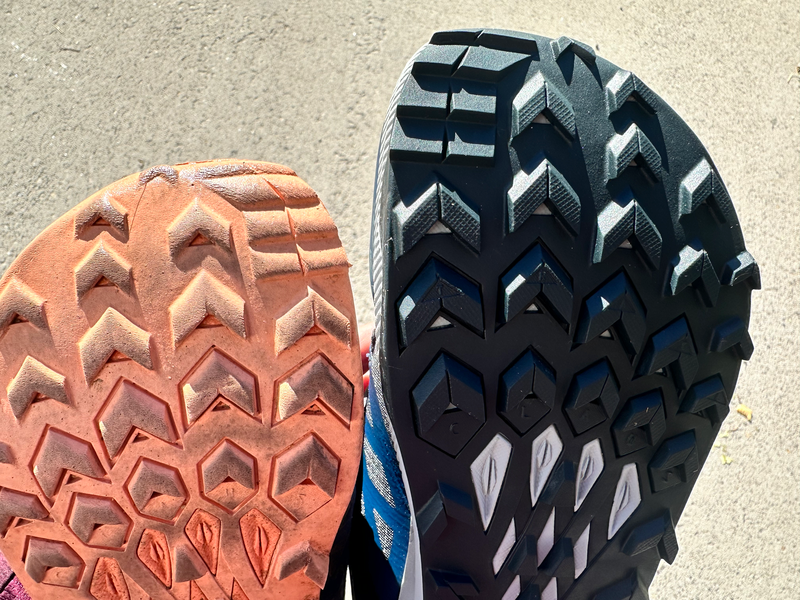
Let it be known: the Altra Lone Peak 9 is not a zippy shoe. The zero-drop design, combined with a less responsive Altra Ego midsole foam, makes for a shoe that feels noticeably laggy underfoot while running. Altra updated the midsole foam for the 9, which reduced weight and increased ground feel, but still doesn't have the propulsion of more energetic materials. I assume this is one of the reasons the Lone Peak has become more of a backpacking and hiking shoe than a trail runner. For more underfoot spring, look for dual-density EVA midsoles like those found on the Salomon S/Lab Pulsar, or nitrogen-infused models like the Prodigio Max. However, the Lone Peak is still a lightweight, comfortable shoe for long distances, and many people who value the natural foot strike of a zero-drop model use it as their running shoe.
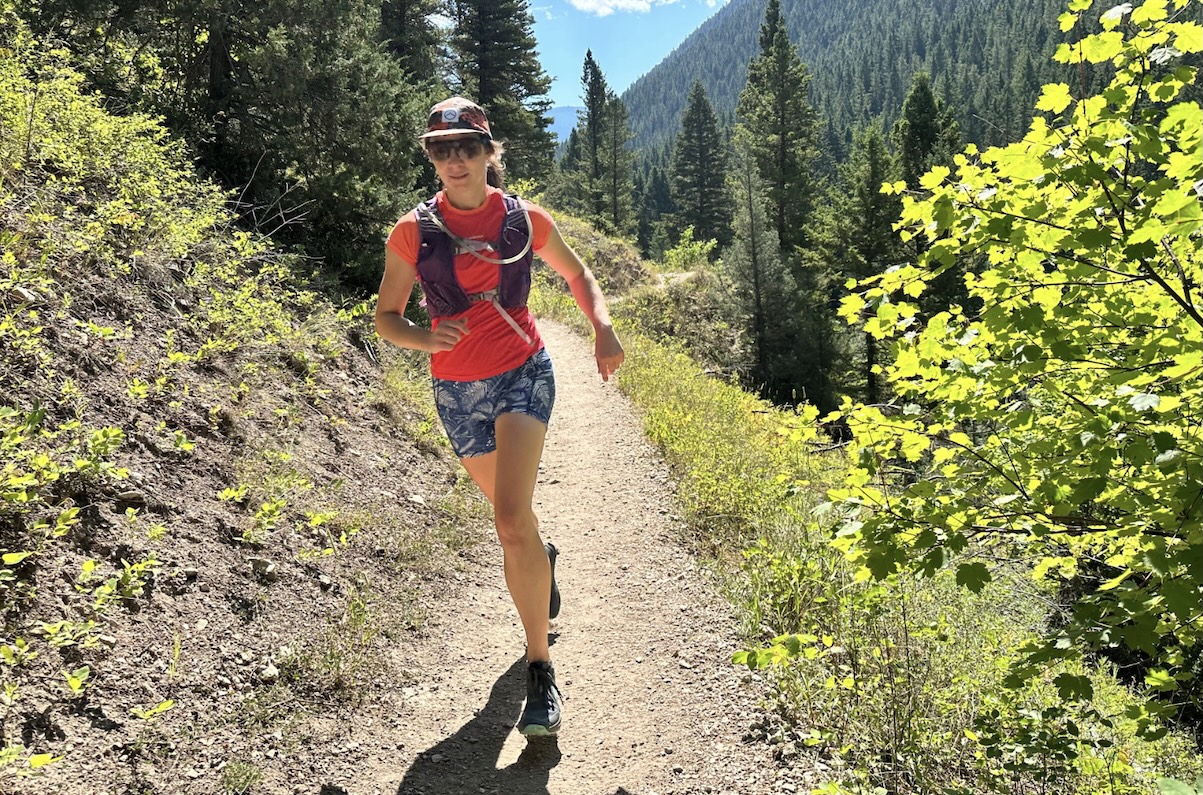
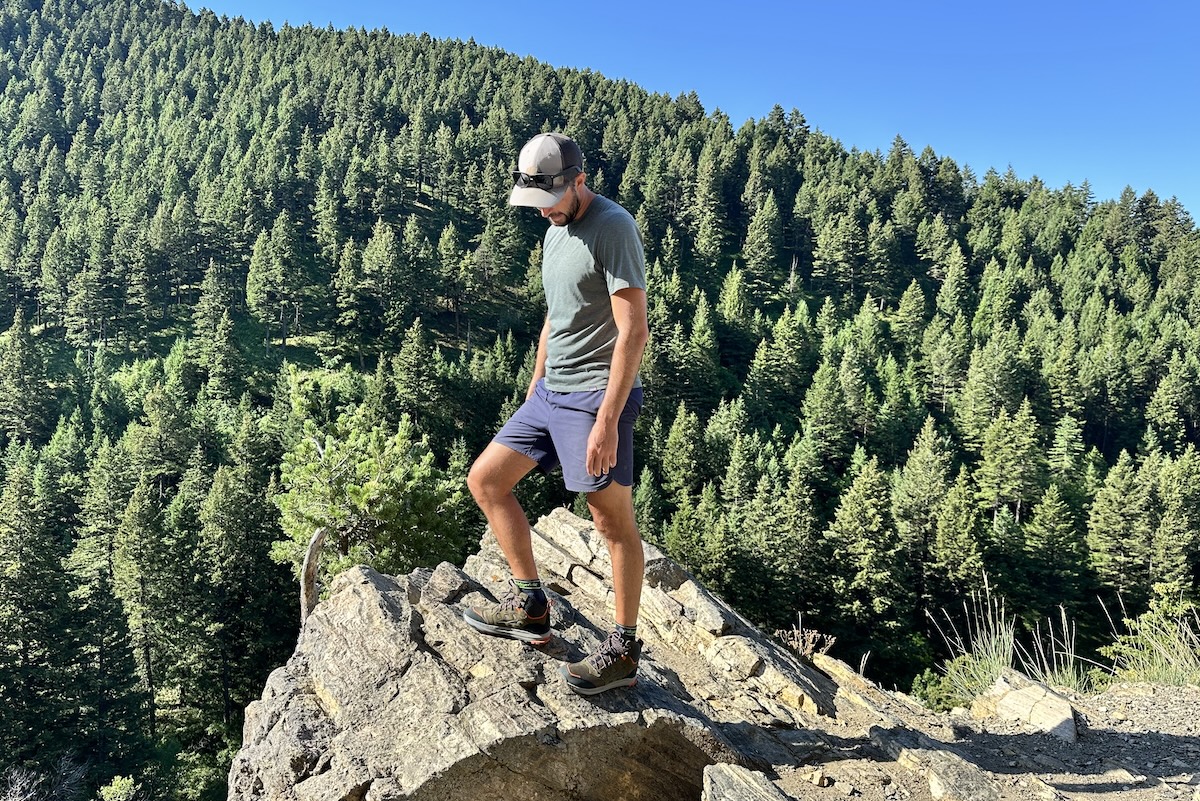
The comfortable, roomy build means the Lone Peak 9 isn't super stable through the upper. It's hard to get a secure lace even with the offset eyelets, and the ankle collar tends to flop open. I roll my ankles more in this shoe than most others I've tested, and while this is rarely an issue on mellow terrain, as soon as you need more precision on off-camber or technical trails, the Lone Peak feels wobbly and lacks support. However, running shoes with a more secure forefoot, ankle, and heel wrap are also the ones I want to rip off at the end of the day, and the tradeoff in support versus comfort is clear here.
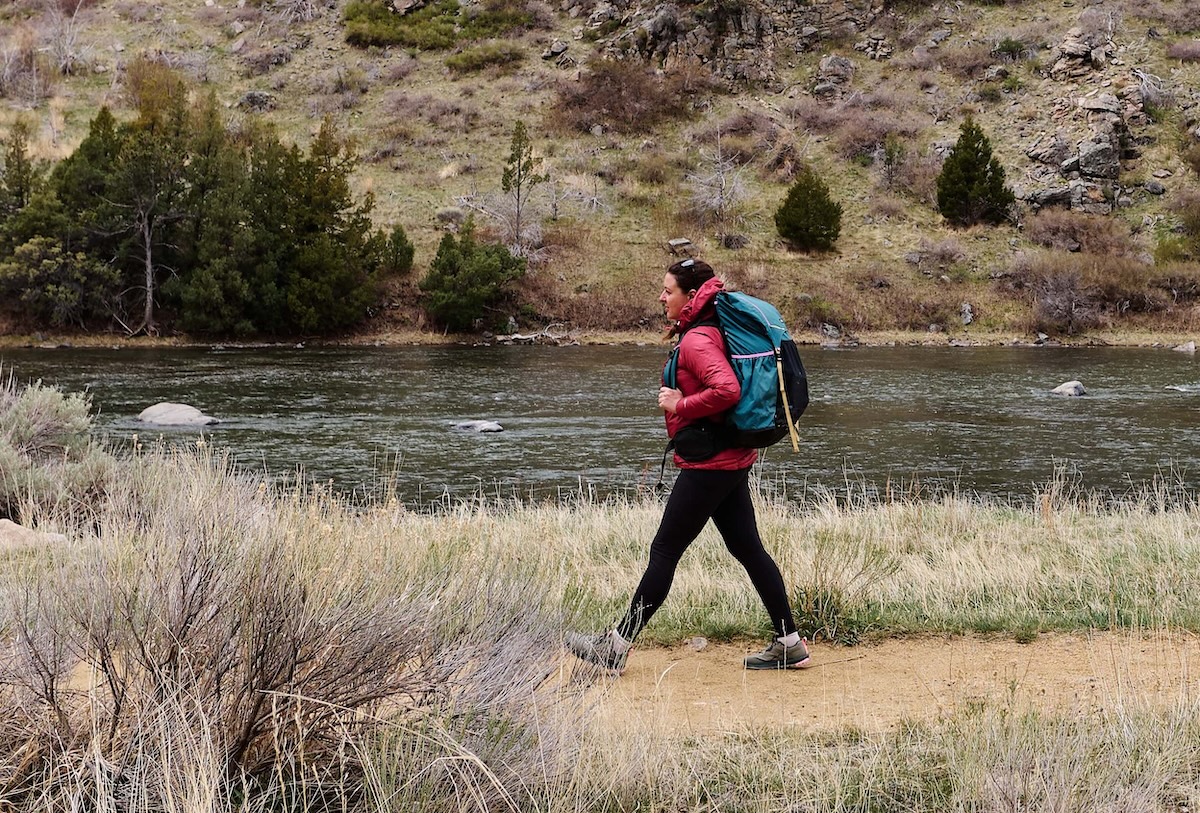
That said, I have backpacked hundreds of miles in the Altra Lone Peak over the years, often carrying a 30-pound pack weighed down with food and water. The shoe is stable underfoot on moderate terrain, and as you plant your feet carefully, the low-to-the-ground build and wide platform help offset some of the instability from the looser upper. Again, this is a tradeoff. You aren't going to get the maximum stability with a shoe this wide and comfortable, which is another reason I prefer it for hiking over running. Altra does use a lightweight Stoneguard insert to add stiffness and shock absorption, but it's still a relatively thin rubber design that doesn't have the same structure as a beefier rock plate.
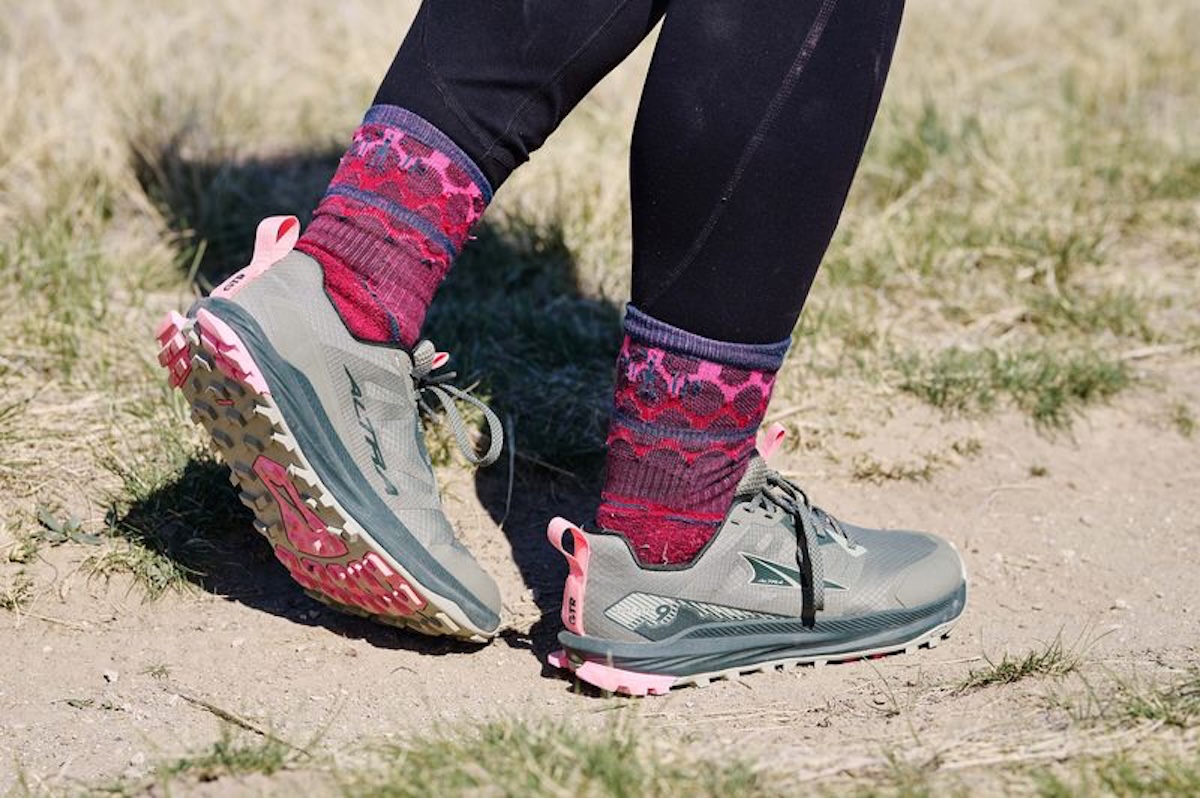
I haven't had issues with the breathability of the Lone Peak 9, and found them to vent well in all testing conditions. At 1 pound 2.6 ounces for the women's pair, this is a lightweight, flexible shoe that doesn't feel overbuilt. Altra increased the overlays and mesh durability for this version, and I wasn't sure if that would impact breathability. I've hiked in the desert, alpine terrain, and humid wooded trails in the Lone Peak 9 and never felt any undue sweatiness. They are well-vented with thoughtfully placed sections of mesh and reinforcements, and I've paired them with a range of hiking socks, noticing very little difference in breathability and heat buildup.
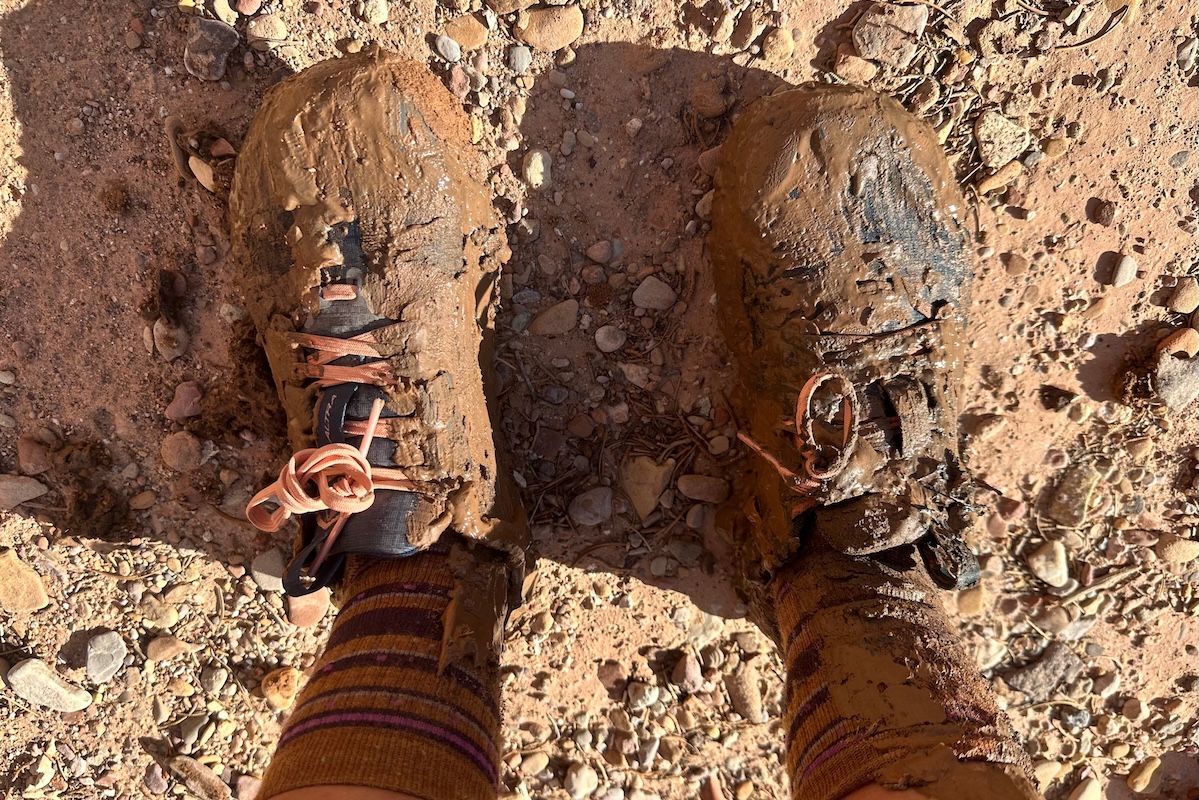
The Lone Peak's breathability also contributes to its quick-dry properties. This is a huge benefit for multi-day hikes where you're not stopping to take your shoes off for every creek crossing. It's also proven its worth on muddy and snowy early-season trails, effectively drying out over the course of the day after crossing a snowfield or slipping off a rock into a creek. Altra also makes a Lone Peak 9 Waterproof version, which my partner tested on early-season backpacking trips this year. The low-top waterproof version adds 4 ounces to the women's build, and while it serves its purpose for slushy runs and hikes, my partner noted sacrifices in ventilation, heat buildup, and drying time. Most of us on the Switchback footwear crew agree that non-waterproof trail runners are usually a better bet, and that is still the case with the Lone Peak.
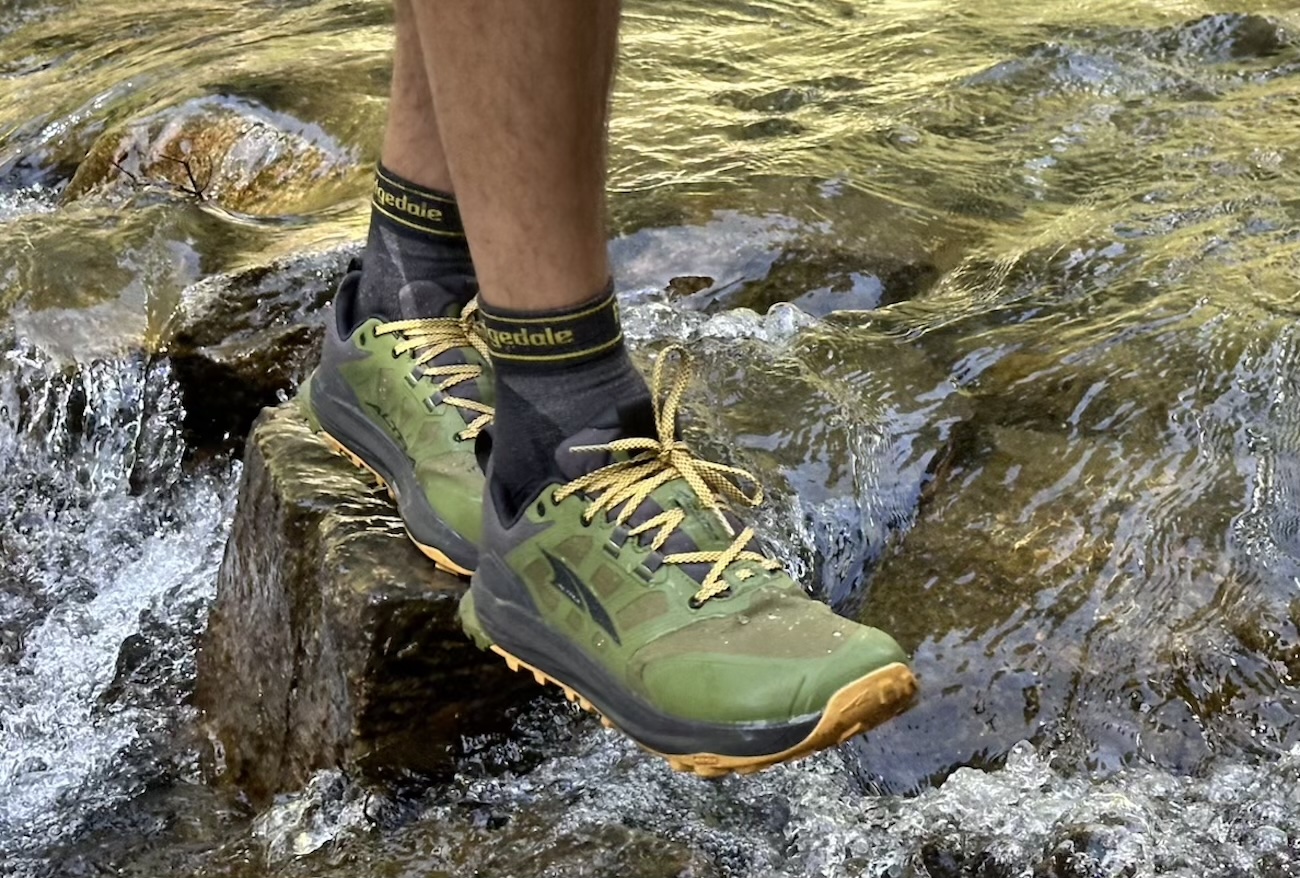
The Lone Peak has received mixed feedback over the years regarding its longevity, particularly in versions 5 through 8. The 9 seems to be holding up better than my past models, with more durability through the outsole rubber and less peeling in the upper. The upper uses a more abrasion-resistant mesh than the "air mesh" in past versions, though they also used this in the 8, and my partner busted through the sides after less than 200 miles. I've mostly stuck to maintained trails in the Lone Peak 9, and while the edge of the toe cap is showing signs of glue failure, this pair has held up better than past versions.
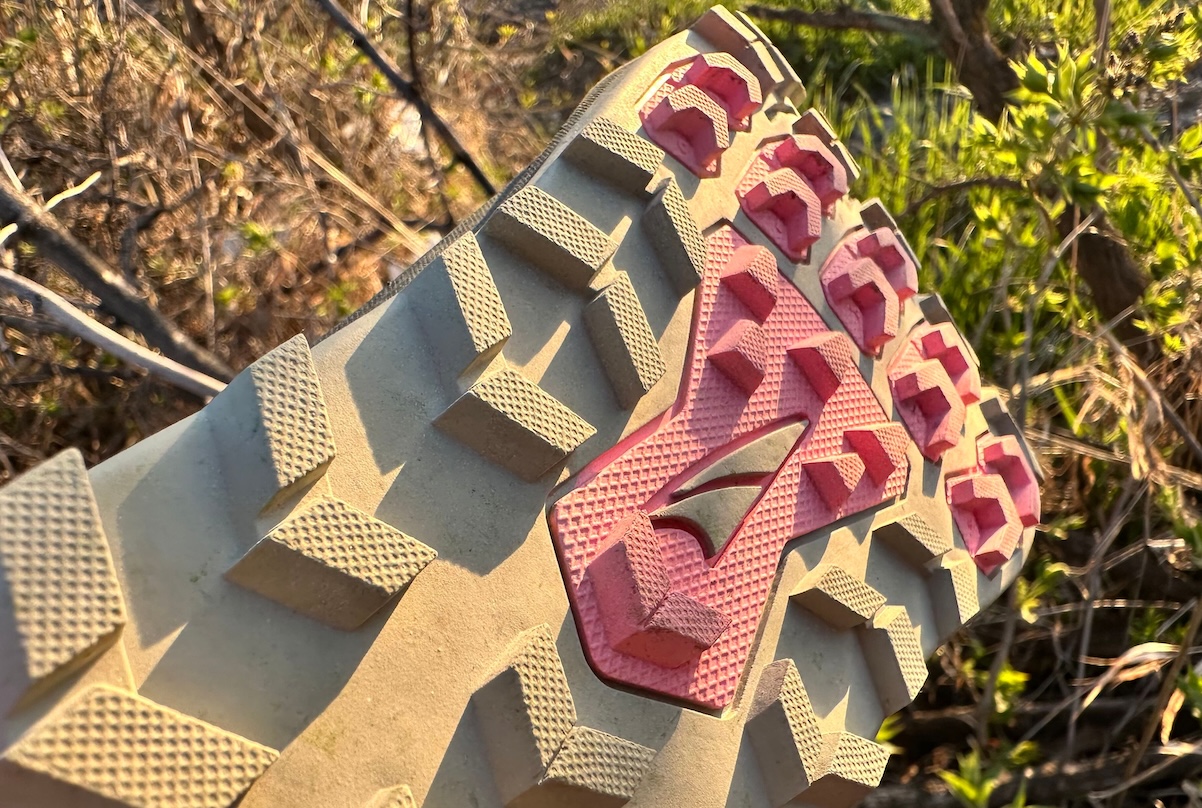
I still wouldn't call this the most durable shoe, and it shows more signs of wear than other shoes I've tested this year, such as the Saucony Peregrine 15. As advertised, my Lone Peak 9+ pair is holding up better thanks to reinforcements on the upper and more durable outsole rubber, so I'd advise anyone planning to put a lot of mileage on these shoes to pay the upcharge for the 9+. If anything, you're getting a better outsole compound and more longevity through the lug patterning.
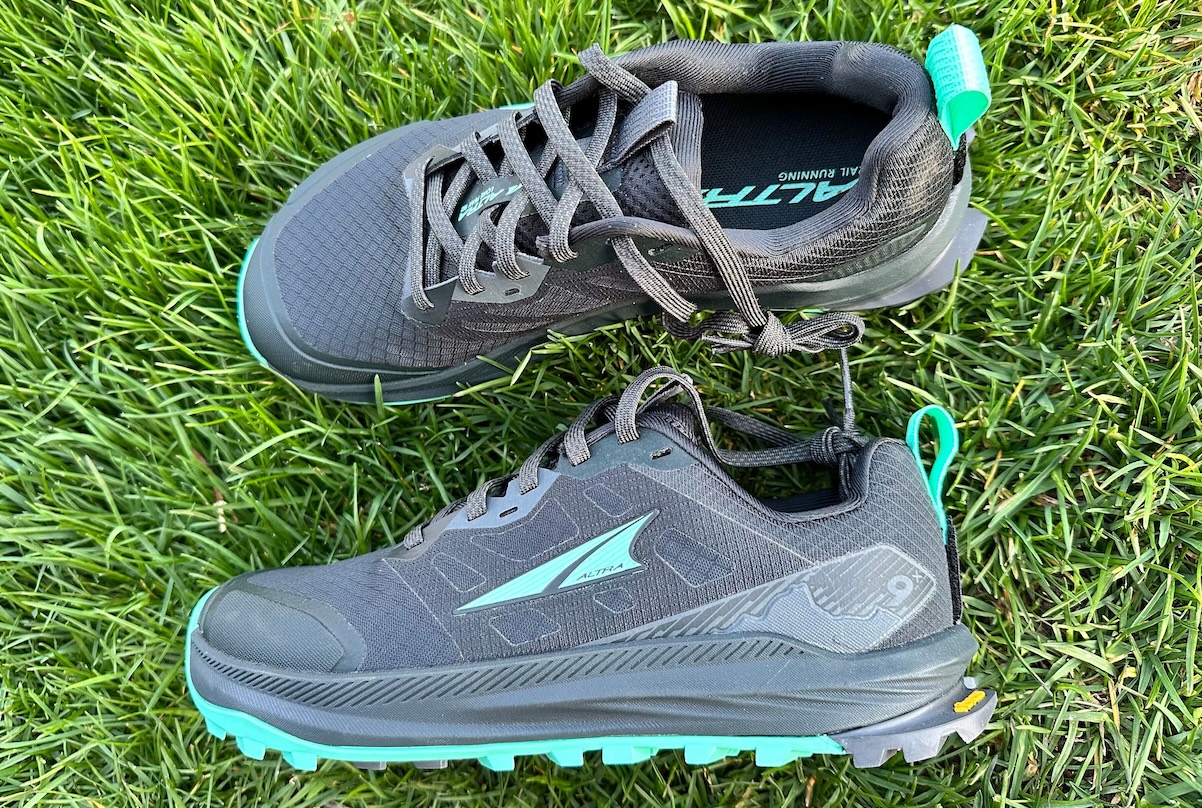
I found the Lone Peak 9 to be spot-on for my usual women's size 8, but for hikers unfamiliar with the style, the added width might make them feel too big at first. If they feel roomy in the toes, you're probably wearing the correct size, but people with low-volume feet might find the generous fit to feel somewhat sloppy. I thought they felt too big at first, but after a lot of miles over many days, I appreciated the comfort and lack of pressure points. It is hard to get a locked-in feel with the Lone Peak's fit, but again, that's the tradeoff for the accommodating sizing. People with lower-volume feet or who find themselves between sizes might appreciate sizing down for more precision.
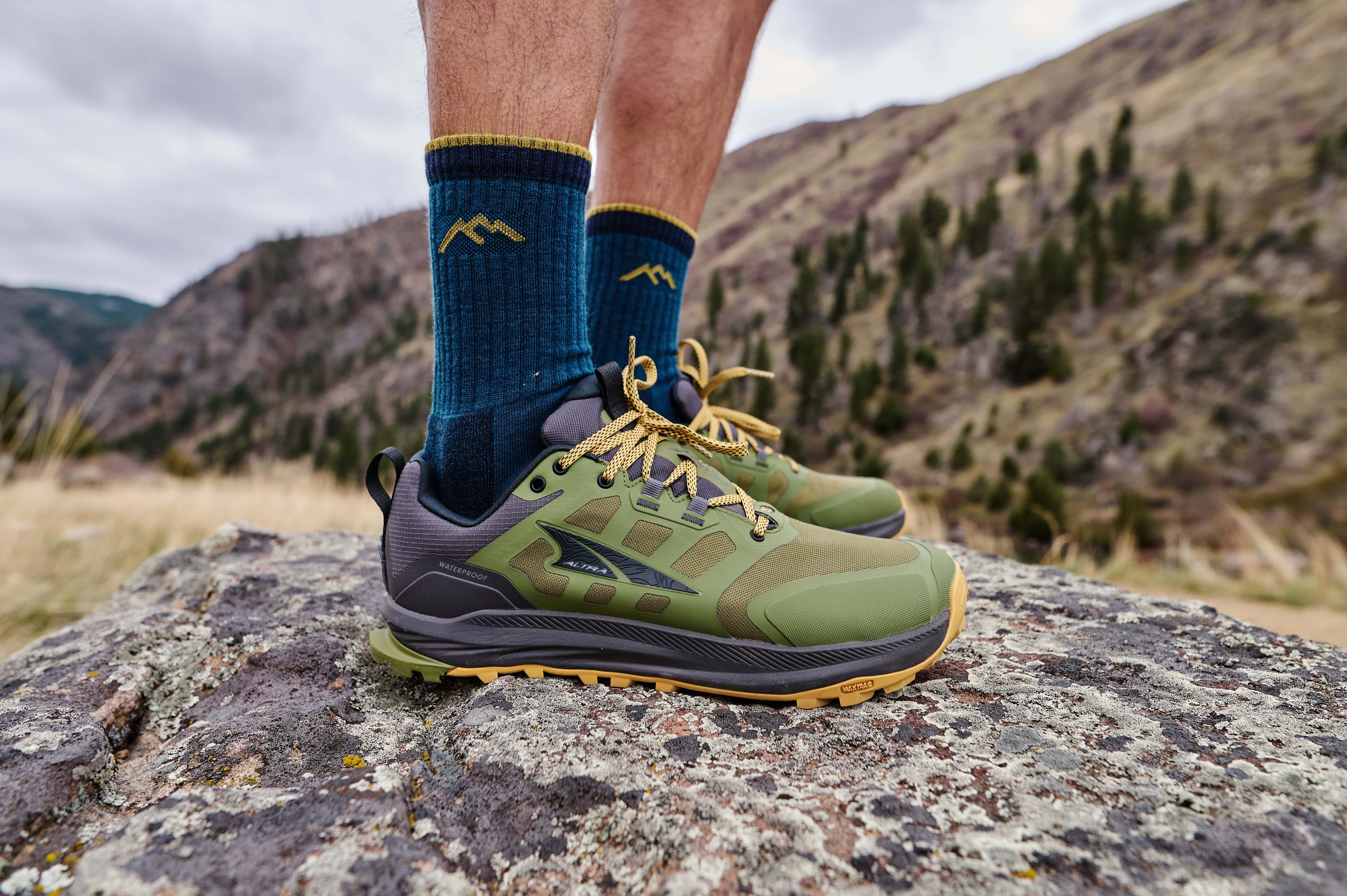
The Lone Peak is an expansive line these days, with plenty of options to suit most hikers. We tested the women's Lone Peak 9 for this review, and Altra sells the shoe in a men's version for the same price. The two shoes are largely identical apart from colorways and a slight weight increase in the men's, which check in at 1 pound 6.3 ounces per pair. As I mentioned, Altra offers the upgraded Lone Peak 9+ for $15 more, with Vibram rubber and enhanced upper durability, all while maintaining the same weight as the original.
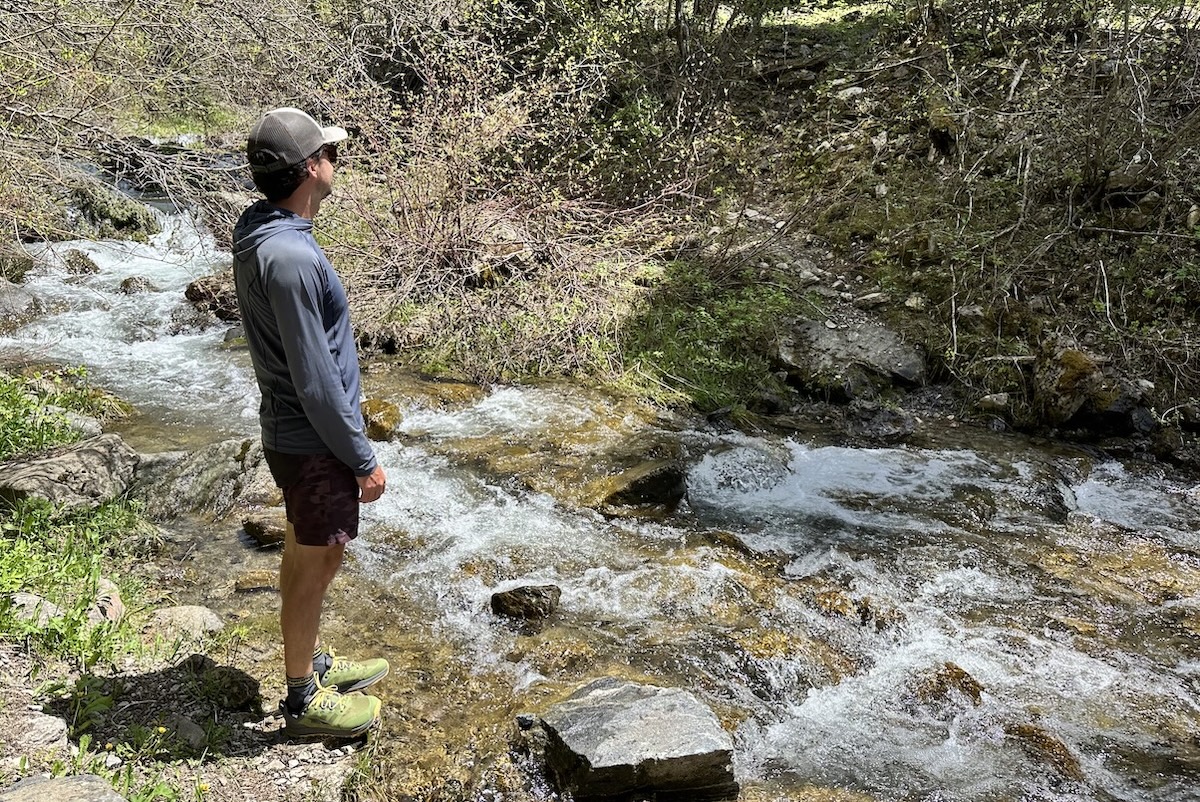
They also have the Lone Peak 9 Waterproof, which costs $20 more than the original and tacks on 4 ounces for the women's. For mid-height options, there's the Lone Peak 9 Waterproof Mid, which look like the original Lone Peak with a taller collar. This shoe weighs 1 pound 10.9 ounces for the women's and retails for $180. Finally, Altra makes the Lone Peak Hiker 3, built as more of a classic boot that still retains the zero-drop midsole and wide toe box. This boot retails for $150 and weighs 1 pound 8 ounces for the women's. We tested the men's version of the Lone Peak Hiker 3 during a full season of backcountry guiding this year, and you can check out our in-depth review here.
| Shoe | Price | Weight | Stack Height | Drop | Lugs |
|---|---|---|---|---|---|
| Altra Lone Peak 9 | $140 | 1 lb. 2.6 oz. | 25mm | 0mm | 3.5mm |
| Altra Timp 5 | $155 | 1 lb. 1.2 oz. | 29mm | 0mm | Unavailable |
| Brooks Cascadia 19 | $150 | 1 lb. 3.6 oz. | 35mm heel / 29 forefoot | 6mm | 4.5mm |
| Hoka Speedgoat 6 | $155 | 1 lb. 0.4 oz. | 38mm heel / 33 forefoot | 5mm | 5mm |
The Lone Peak 9 is one of the most well-known trail running shoes, and is also popular in the thru-hiking community for its forgiving fit and zero-drop design. However, for hikers looking for more cushioning along with a slight weight decrease, the Timp 5 is also a good option. Compared to the Lone Peak, the Timp 5 offers an additional 4 millimeters of padding underfoot for a cushier ride, and comes stock with a Vibram Megagrip outsole. It has a similar zero-drop design with Altra's FootShape toe box, and we've come to think of it as an upgraded, slightly more padded version of the Lone Peak, though you don't get the RockGuard insert.
Brooks’ Cascadia is another consistent thru-hiker favorite, and the 19th iteration modernized the design and reduced the drop while increasing the stack to a highly cushioned 35 millimeters under the heel. The Cascadia is a more precise, technical, terrain-friendly shoe, though the more standard forefoot and toe box won't accommodate swollen feet or bunions as well as the Lone Peak. The Cascadia is also heavier, but the midsole is springier, so it can feel like a toss-up with energy return.
Finally, the classic Hoka Speedgoat 6. While the Lone Peak’s midsole can feel sluggish, Hoka uses a responsive, zippy foam for speedy trail runs with lots of protection. The Speedgoat sheds weight with a streamlined upper and wide sections of foam in the outsole, which creates a fast-and-light feel but can compromise traction on muddy trails. The Speedgoat is also narrower than the Lone Peak, so if you're looking for a more precise, locked-in shoe, this is it. All that said, f you value comfort over upper stability and appreciate a zero-drop design, stick with the Lone Peak.
Back to the Altra Lone Peak 9 Review See Our Trail Running Shoe Guide



c9f6.jpg?h=fbc67360&itok=uj5sROnf)


00b0.jpg?h=fbc67360&itok=3lNBbzz3)


6f2e.jpg?h=fbc67360&itok=0H8jyoRL)