
Photo Credit
Price: $219
Weight: 7.9 oz. (women's small)
Fleece weight: Lightweight
What we like: Thin fleece material breathes very well, traps heat when needed, extremely cozy.
What we don’t: Expensive and thin fabric seems prone to wear and tear.
See the Women's Norrøna Falketind Alpha120 See the Men's Norrøna Falketind Alpha120
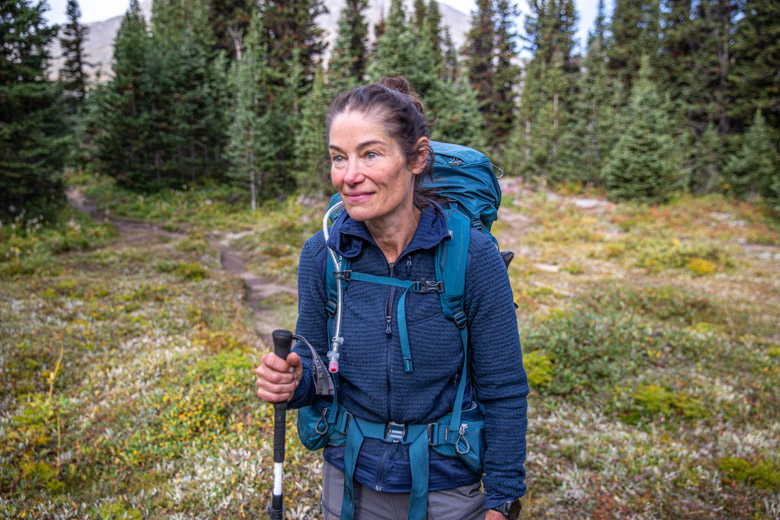
Norway-based Norrøna has become increasingly popular over the years thanks to their line of high-quality and high-performance outdoor apparel. A case in point is the Falketind Alpha120 Zip Hood, an ultralight fleece with exceptional breathability, making it an ideal midlayer for high-output activities in cooler temperatures. I tested the Falketind on a multi-day alpine trek in the Canadian Rockies and have hardly taken it off since. It has also proven to be an exceptional companion for shoulder season trail runs and day hikes. I do have concerns about the long-term durability of the exposed fleece, but it has held up well so far to consistent and rough use. Below, I detail my experiences with the Norrøna Falketind Alpha120 Zip Hood. To see how it stacks up to the competition, check out our articles on the best fleece jackets, best women's fleece jackets, and best midlayers.
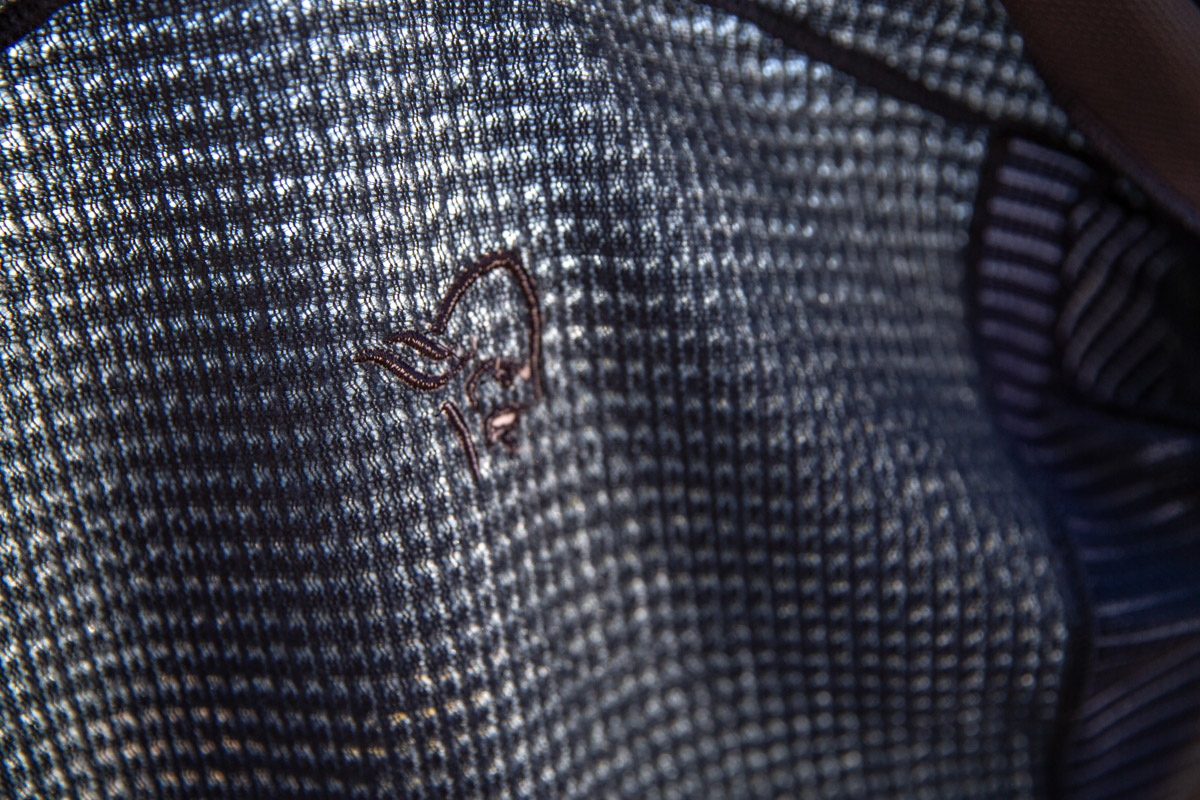
Breathability is the Falketind Alpha120's defining quality, and after taking one look at the layer, it's easy to see why. The exposed Polartec Alpha fleece is thin and nearly transparent when held up to the light. It's no surprise that this layer dumps heat so well, which I found ideal for heart-pumping activities. I tested this layer on several hikes and backpacking trips in Alberta's wildernesses, and not once did I overheat while wearing it. It was a great layer for early morning starts, but I didn't find myself desperate to take it off when the temperatures rose throughout the day.

However, this does not mean that the layer is too cold. As I detail below, the fleece is adept at regulating temperature, meaning it traps heat almost as effectively as it dumps it. For that reason, I found the Alpha120 very useful when hiking over undulating terrain and when backpacking with my husband, who likes to stop and take photos often. In truly cold conditions, I could see myself needing to layer with a supplementary synthetic or down-insulated jacket over top (I do run cold), but for shoulder-season activities, it proved to be the ideal piece.
As I mentioned above, the Falketind Alpha120 does an excellent job at adapting to different temps and varying output levels. The fuzzy Polartec Alpha fabric features lofted fibers that effectively trap warmth along the chest, back, and arms when needed. I appreciated how well it cut the cold when setting up camp at sunset during our backpacking trip. The temperatures can drop quickly at that elevation, even in the summer months, but the jacket had no issue keeping up. The hood also provides an extra dose of warmth and comfort when needed. What's more, the fluffy fleece made this layer especially cozy, and I enjoyed the soft pockets and long hand gaiters for warming my chilly digits.
But to be clear, the Falketind is far from the warmest fleece I've worn. The exposed fleece is especially susceptible to wind and drafts. I found myself reaching for my windbreaker or hardshell when hiking on gusty ridgelines or setting up camp on blustery nights. Luckily, its sleek, athletic fit slides easily under an outer layer. For greater warmth, I'd turn to a thicker fleece or a layer with a more protective shell, such as the Arc'teryx Kyanite, which features a nylon face that provides better defense against the elements.
The Falketind Alpha120 has its place as an outer layer, but when the weather takes a turn, I'm quick to toss on a more protective layer. And, as mentioned, this jacket is neither windproof nor waterproof. I was caught wearing it in a coastal downpour on Vancouver's Sombio Beach, and the rain quickly permeated the fleece. That said, the fabric never felt wet and dried almost as soon as the rain stopped. The Alpha fleece is hydrophobic, but the lack of a shell doesn't keep rain from getting through the gaps in the material. I appreciate that it continues to insulate when wet, which is nice in case I find myself in an unexpected weather system. And in my opinion, the sacrifice is worth it for its outstanding breathability.

Honestly, comfort might tie with breathability as my favorite quality of the Falketind Alpha120. I'm not exaggerating when I say that this hoodie was comfortable in every setting, especially around camp and in my sleeping bag at night. The sleek Polartec Powergrid fabric along the inner arms, cuff, hem, and hood provided ample stretch, making this layer easy to move around in. At no point did I feel restricted when wearing the jacket. And when worn under a shell, the fleece slides easily underneath. Lastly, the fleece is great at wicking sweat, which kept me from feeling clammy at any point. Simply put, the Falketind is one of the most comfortable layers in my rotation.
My women's size small weighs a mere 7.9 ounces on my scale, which makes it one of the lightest fleeces on the market. For comparison, Patagonia's similarly intentioned R1 Air Full-Zip Hoody weighs 11 ounces. There are a few fleeces that have the Falketind beat, including Arc'teryx's Delta Jacket (6.9 oz.) and Mountain Equipment's Lumiko Zip T (6.7 oz.), but the differences are negligible. And because it's so thin, the Falketind is easy to pack. I do wish that it stuffed into one of its pockets, but rolling it up into its hood compresses it down to about the size of a grapefruit. In most cases, I like to stuff layers like these between gear in my pack, but I don't recommend doing that with the Falketind, so as to preserve the exposed fleece for as long as possible.
In an effort to keep lightweight, the Falketind Alpha120 is sparse on features. The scuba-style hood is fairly simple: it features a low-profile fit that slides easily under a helmet, and it doesn't have any adjustment cinches. It's outfitted with stretchy grid fleece material, making it easy to move around in. I didn't have any issues with mobility or keeping it on my head. Though it's very thin, I appreciated the extra bit of protection on cold nights.

The Falketind Alpha120 features three pockets: two hand pockets and a chest pocket, all of which are zippered. The hand pockets are large enough to fit a smartphone and are compatible with a harness or backpack waist strap. And as I mentioned above, they are very soft and great at keeping my hands warm. The chest pocket is smaller, but is ideal for chapstick or other small gear.

I tend to be rough on my gear, but I've tried to be more careful with the Falketind Alpha120. The thin materials and exposed fleece seem prone to snagging and tearing. So far, however, it has exceeded my expectations: I've stuffed it inside packs, thrown it haphazardly into tents, and worn it consistently on backpacking trips and hikes over the last few months, and there are no signs of wear so far. The zippers are still smooth-operating, and the fleece has retained its stretch without becoming baggy. But I still worry that treating it too roughly will result in damage, which is a bummer considering the high price tag. It's also worth noting that some users have reported pilling on the Power Grid fleece panels, but I have not yet experienced this issue.
At 5'7" and 130 pounds, it's often tricky for me to find jackets that fit well. Most of the time, a size small is too boxy, and an extra small is too short. But the size small Falketind Alpha120 fits my frame perfectly. The sleeves are a great length, and the hand gaiters fit perfectly around my thumbs. The fit is trim and athletic, and it fits easily over a baselayer and under outer layers without feeling too bulky. The hem ends just below my hips in the front, but extends a bit further in the back. And most importantly, the jacket doesn't ride up when wearing a pack or reaching overhead.

The topic of sustainability is tricky when it comes to fleece. Despite sounding like a natural material, fleece is petroleum-based. Norrøna tries to mitigate this fact by using recycled materials in the Falketind Alpha120, but their site is vague in the amount used (they claim that more than 50% of the synthetic fibers are recycled). The fabric is also Oeko-Tex Certified and bluesign certified, which ensures it's free of a certain amount of harmful substances. And we do appreciate Norrøna's transparency regarding their manufacturing practices: their factories are regularly inspected by an independent third party and are listed publicly on Norrøna's website. In the future, I hope to see Norrøna use more recycled materials, but I think the brand is making strides in the right direction.

I tested the women's Falketind Alpha120, and the jacket is also available in a men's version. The only differences between the two are fit and color options. At the time of publishing, there are no half-zip or hoodless options available. The Alpha120 isn't the only layer in the Falketind line, however. The series—which is aimed at performance mountain athletes—consists of pants, shirts, shell jackets, softshells, and insulated jackets, such as the Falketind Down750 that my husband tested in Nepal a few years ago.

 What We Like
| Jacket | Price | Weight | Category | Insulation | Pockets |
|---|---|---|---|---|---|
| Norrøna Falketind Alpha120 | $219 | 7.6 oz. | Performance | 120g & 139g Polartec | 3 |
| Patagonia R1 Air Full-Zip | $189 | 11.0 oz. | Performance | Jacquard fleece | 3 |
| ME Lumiko Zip T | $100 | 6.7 oz. | Performance | Lumiko stretch fleece | 1 |
| Arc'teryx Delta Jacket | $200 | 6.9 oz. | Performance | Octa polyester fleece | 3 |
| Arx'teryx Kyanite Hoody | $200 | 12.7 oz. | Performance/casual | Polartec Power Stretch Pro | 3 |
The Norrøna Falketind Alpha120 is one of our favorite breathable performance fleeces, but there are plenty of alternatives on the market, such as Patagonia's popular R1 Air Full-Zip Hoody, which offers similar performance for a lower price. Patagonia's hollow-core R1 fleece material is adept at regulating temperature: It dumps heat on high-output pursuits and traps warmth when resting. The R1 is thicker than the Falketind's Alpha fabric, making the jacket both heavier and less packable. But you're looking for bang for your buck, the R1 is more durable and more likely to hold up over the long term. For an even cheaper option, Mountain Equipment's Lumiko Zip T is worth considering. Like the Falketind and the R1, the Lumiko's grid fleece is very breathable, but can also hold warmth when needed. Like the Falketind (and more so than the R1), the Lumiko is stretchy and easy to move around in. It's also about an ounce lighter than the Falketind, likely due to its lack of a hood and full zipper. The Lumiko isn't as soft as the Falketind, and it is more prone to wearing down with heavy use, but for a comparably cheap price tag, it's a solid option.
If budget isn't so much of a concern, it's worth considering Arc'teryx's line. Arc'teryx is Norrøna's most direct competitor, and has a similar reputation for build quality and performance. Their Delta Jacket is very similar to the Falketind, with a lightweight hollow-core fleece and minimalist feature set (the Delta omits a hood). But unlike the Falketind, the Delta has a thin polyester shell, which provides more protection for the delicate fleece. We haven't had a chance to try out this layer for ourselves, but reviews are mixed: users have reported that this jacket feels stiff and uncomfortable, and is not as adept at retaining heat. For a warmer alternative, we turn to Arc'teryx's Kyanite Hoody, which has a very soft fleece interior and nylon face fabric that does a decent job at blocking wind and light rain. To be sure, the Kyanite is heavier, less packable, and far less breathable than the Falketind, but the jacket is undeniably cozy and crosses over better to casual use. It keeps up fairly well on cold hikes and ski touring missions, but at the end of the day, we'll still reach for the Falketind for true high-output performance.
Back to the Norrøna Falketind Alpha120 Review See our Best Midlayers Guide

e13b.jpg?h=fbc67360&itok=roLTspKI)


_033e4.jpg?h=fbc67360&itok=NyeYzALz)
f40a.jpg?h=fbc67360&itok=Mng_sIOz)
f52b.jpg?h=fbc67360&itok=_t3IWP7p)

e709.jpg?h=fbc67360&itok=WbYhHTGy)